How Trade Management Solutions Help Classic Car Imports Cross Borders?
Posted by James Ruppert | Aug 7, 2026 | Articles, Car Culture, Classic Cars
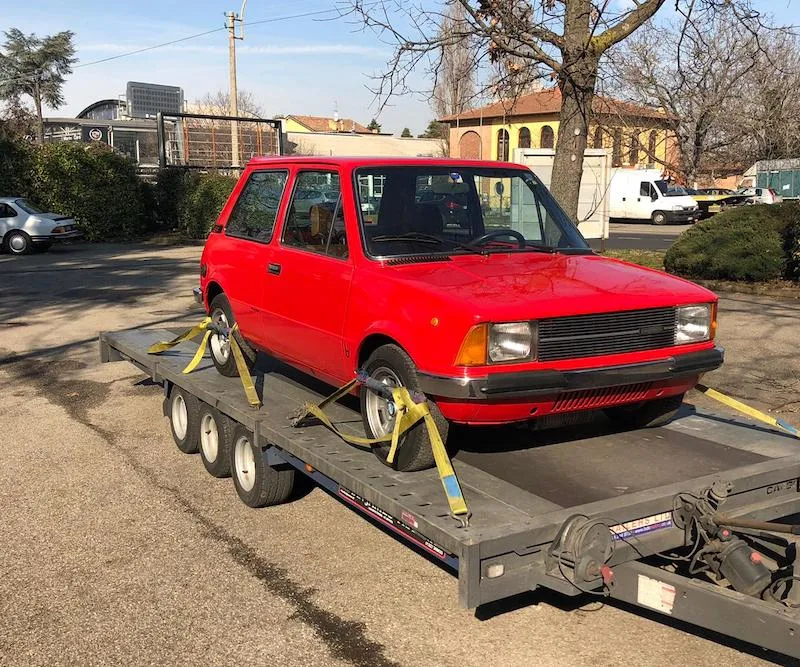
Ever tried to bring a classic car across an international border, only to discover the paperwork alone could stall the whole process for weeks? Or watched a fellow collector get hit with an unexpected tariff bill because a single form was filled out incorrectly?
Classic car imports look simple from the outside: buy the car, ship it, drive it home. In practice, customs classification, tariff exemptions, and shifting trade rules make this one of the more complicated corners of international trade, which is exactly where proper trade management earns its keep.
1. Why This Process Is More Complicated Than It Looks
According to U.S. Customs and Border Protection, foreign-made vehicles imported into the U.S. are generally dutiable at a rate of 2.5% for passenger autos, based on the price paid or payable, while vehicles must also meet Federal Motor Vehicle Safety Standards unless they qualify for the 25-year age exemption.
That single rule, the 25-year exemption, has become the backbone of the entire classic car import industry, but qualifying for it correctly requires precise documentation of a vehicle’s manufacture date and proper classification under the Harmonized Tariff Schedule.
2. The Documentation That Actually Matters
Importing a classic car requires the shipper’s bill of lading, a bill of sale, foreign registration, and completed EPA and DOT declaration forms. Missing or incorrect documentation is one of the most common causes of delays at the border, and errors here can mean a vehicle sits at port far longer than expected while paperwork gets sorted out.
Working with experienced import professionals can help verify that every required document is complete before the vehicle leaves its origin country. Proper preparation not only prevents delays but also helps ensure a smoother customs clearance process.
3. Why Tariff Rules Have Gotten More Volatile
Trade policy around vehicle imports has shifted considerably in recent years, with new tariffs, trade agreement changes, and country-specific rules adding layers of complexity that didn’t exist even a few years ago. A vehicle that qualified for a specific duty rate last year may face a completely different calculation today, depending on country of origin and current trade agreements in effect.
Importers who rely on outdated assumptions can easily underestimate costs or overlook new compliance obligations, making it essential to verify the latest requirements before every shipment rather than depending on previous experiences.
4. Classification Errors Carry Real Consequences
Getting a vehicle’s Harmonized Tariff Schedule classification wrong isn’t just a paperwork inconvenience. Incorrect classification can trigger additional duty assessments, penalties, or a formal audit well after the vehicle has already crossed the border, turning what seemed like a completed import into an ongoing compliance headache.
Correcting those mistakes can require significant documentation, consume valuable time, and increase costs that could have been avoided through careful classification and compliance checks before importation.
5. Why Country of Origin Rules Add Another Layer
Trade agreements like the USMCA offer preferential duty treatment, but only when a vehicle genuinely meets the specific rules of origin tied to that agreement. For classic and vintage vehicles, especially those with modified or replaced components over the decades, establishing clear origin documentation can be more complicated than it sounds.
Missing records, restoration work, and imported replacement parts may all affect eligibility, requiring detailed documentation and careful review before preferential treatment can be confidently claimed.
6. What Proper Trade Management Actually Solves
This is where dedicated trade management support changes the equation entirely. Rather than an importer or collector navigating classification, valuation, and origin rules alone, a trade management partner handles the technical compliance work: verifying classification accuracy, confirming eligibility for exemptions and trade agreements, and preparing documentation that holds up under audit scrutiny.
This structured approach reduces administrative burden, improves consistency across imports, and helps businesses respond confidently if customs authorities request additional information months or even years later.
7. Duty Recovery and Cost Optimization
Beyond compliance, proper trade management often identifies savings importers miss entirely: correctly applied exemptions, trade agreement benefits the importer didn’t realize applied, or valuation methods that reduce the dutiable amount. For high-value classic vehicles, these details can add up to meaningful savings across a collection or dealership inventory.
Regular reviews of import records may also uncover opportunities for duty recovery or refunds, allowing businesses to recover costs while strengthening their long-term customs compliance practices.
8. Why This Matters More for Dealers and Frequent Importers
A single classic car import might survive a bit of paperwork friction. A dealer or collector regularly bringing multiple vehicles across borders faces that friction repeatedly, which is exactly where advanced trade management solutions can help streamline documentation, improve classification accuracy, and reduce compliance risks throughout the import process.
Companies such as Livingston International offer end-to-end global trade management services that combine trade expertise with technology to support accurate product classification, duty management, origin verification, and regulatory compliance across complex cross-border operations. For dealers and collectors handling frequent classic car imports, that kind of structured support can simplify the process while reducing delays and compliance risks.
9. Staying Ready for the Next Regulatory Shift
Trade rules affecting vehicle imports have proven anything but stable recently, with tariff changes arriving with little warning. A trade management partner that actively monitors regulatory shifts, rather than reacting to them after the fact, gives importers a real advantage when rules change again.
Staying informed allows businesses and collectors to adjust import strategies before shipments are affected, minimizing unexpected costs, avoiding unnecessary delays, and maintaining compliance even as customs regulations and international trade policies continue to evolve.
The Bottom Line
Classic car imports carry more regulatory complexity than most collectors expect going in, from tariff classification to shifting trade agreements to strict documentation requirements. Proper trade management turns that complexity into a manageable, predictable process, which matters enormously whether you’re bringing home a single dream car or managing a steady flow of vehicles across borders as part of an ongoing business.
Investing in experienced guidance helps reduce costly errors, improve customs efficiency, and create a smoother importing experience. As regulations continue to evolve, having a structured compliance strategy in place becomes an important part of protecting both valuable vehicles and long-term business operations.