Do Porsche Performance Parts Affect Your Warranty? What Owners Should Ask
Posted by James Ruppert | Oct 15, 2026 | 4 x 4, Porsche, Breakdown, Car Warranty, Articles
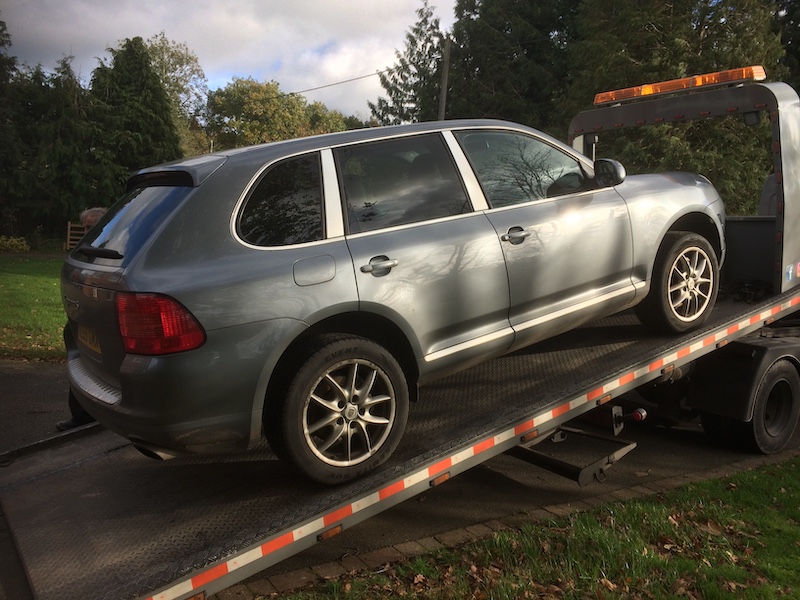
“Touch anything and the warranty is gone.” You’ve probably heard that line at a cars-and-coffee meet, and it’s only partly true. From weekend drivers in Fort Washington, Pennsylvania, to track-day regulars everywhere, plenty of Porsche owners quietly wonder whether a better exhaust or a software tune will cost them their coverage.
The honest answer is that it depends on the part, the problem and how well you’ve kept your records. This guide explains what the federal rules say, where trouble tends to start and which questions to ask before you spend a dollar, with no jargon and no sales pitch. It is general information only, not legal or mechanical advice.
The Short Answer
Installing an aftermarket part doesn’t automatically cancel a new-car warranty. But if that part is blamed for a failure, the repair may not be covered. That difference, between “any modification voids everything” and “a modification can affect related claims,” is where most confusion comes from.
Your own warranty booklet and your dealer’s written answers matter more than forum threads, so treat everything below as a guide to the right questions.
What Federal Rules Say
The Federal Trade Commission says that your warranty stays in effect if you use aftermarket parts. It adds that if a defective aftermarket part damages a covered part, the manufacturer or dealer can deny coverage for that damage, but they must prove the aftermarket part caused it.
The same page notes that service contracts alone can cost “several hundred dollars to several thousand,” which gives a sense of how much owners value coverage. The FTC page doesn’t address any specific brand or model, so it doesn’t replace your own warranty terms.
Where Warranty Trouble Actually Starts
Not all parts carry the same risk. A simple rule of thumb is to ask how close the part is to the systems that fail expensively:
-
Lower risk: cosmetic changes, wheel accessories and parts that don’t touch the engine or drivetrain
-
Medium risk: exhaust and intake changes that alter airflow
-
Higher risk: engine tuning, boost changes and anything that changes how the engine computer manages power
If an engine or turbo problem appears after a tune, a technician will look for evidence connecting the two. That doesn’t mean a claim will be refused, but it does mean the details matter.
Questions to Ask Your Dealer
Before you modify anything, a short conversation can prevent surprises. Consider asking:
-
How does the dealership handle claims on a car with aftermarket parts?
-
Will they note your planned modification in the service record?
-
Which systems would be reviewed first if a related problem appeared?
-
Can they put their answers in writing?
-
Does the car’s remaining coverage include extended or certified pre-owned terms?
Service advisers may not know every detail, so ask politely and keep their answers. A clear written response is far more useful than a verbal “should be fine.”
Questions to Ask Before Buying Parts
Parts manufacturers vary in how they test, document and support their products. Before choosing an upgrade for your vehicle, compare the quality standards, compatibility information and warranty support offered by different suppliers. Researching options such as Porsche performance parts can also help you understand the range of available components and what to look for when evaluating a product. Ask each seller:
-
Is the part designed and tested for my exact model and year?
-
Is it compliant with emissions rules where I live?
-
Can it be removed and the original part reinstalled?
-
What does the maker’s own warranty cover, and for how long?
-
Who installs it, and will the installer stand behind the work?
Good companies answer these plainly. If the answers are vague, treat that as information.
Keep Your Own Paper Trail
Records protect you whichever way a dispute goes. Keep these in one folder:
-
Receipts for every part and installation
-
Maintenance records, even for work done at an independent shop
-
Photos of the car before and after changes
-
Any original parts you removed, if you have space to store them
-
Emails or messages with the dealer and parts maker
If you ever need to show what was changed and when, these records make the conversation simple and calm.
Reading the Fine Print on Any Parts Brand
Before purchasing aftermarket parts, take time to review the manufacturer’s terms, warranty coverage, and installation requirements. These details can affect what is covered if a component fails and whether certain modifications have implications for your vehicle’s existing warranty.
Fabspeed Motorsport lists Porsche exhaust systems, turbo tuning kits, and ECU upgrades among its offerings, along with dyno testing and installation services. The company also clarifies that it is independent of Porsche and provides its own terms and warranty information.
This is a useful reminder for any vehicle owner: an aftermarket parts warranty and a vehicle manufacturer’s warranty are separate arrangements. Read both carefully, check any exclusions, and ask the relevant manufacturers or dealers how a planned modification could affect your specific coverage.
Don’t Forget Emissions and Local Rules
Warranty isn’t the only consideration. Parts that change emissions equipment may be restricted by federal or state rules, and states differ in how they inspect or test vehicles.
Ask whether a part is legal for street use where you register the car, and keep any documentation the maker provides. If a part is labeled for off-road or track use only, that is worth knowing before you install it on a daily driver.
Conclusion
Porsche performance parts and warranties can coexist, but they work best when you plan ahead. Know what your warranty says, understand the federal rule that protects owners, ask your dealer and the parts maker direct questions and keep thorough records.
Choose changes that suit how you actually drive, and don’t rush into anything you can’t explain on paper. If a dealer or maker can’t answer a simple question, pause and keep asking.