Zego highlights Top 5 Parking Scams
Posted by James Ruppert | Oct 12, 2026 | 4 x 4, Parking, scam
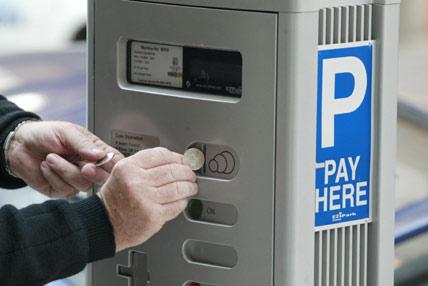
Motorists are being urged to think twice before scanning QR codes to pay for parking, as scammers continue to target drivers with fake codes and fraudulent payment websites. The number of fake QR codes being stuck on car parking payment machines has increased by 1300%, according to new research.
The warning comes amid continued reports of QR code parking scams across the UK, with criminals placing fake QR code stickers over genuine parking signs and machines.
With QR codes now commonly used to access parking payment services, car insurance experts at Zego are sharing their advice on how drivers can recognise the warning signs of parking scams and what to do if they think they have been caught out.
Five parking scams that drivers should be aware of in 2026
- Watch out for QR codes when paying for parking
QR code scams known as ‘quishing’ are becoming increasingly common in Britain as a way for criminals to target motorists. Placing fake QR codes over the top of genuine QR codes on parking machines which send drivers to fraudulent payment pages designed to steal their personal and financial information.
Before scanning any QR code in a car park, check to make sure it hasn’t been tampered with. Look for stickers, peeling edges or anything that appears to have been placed over the original code. If you have any doubts, avoid scanning it altogether and use the parking operator’s official app or manually enter the verified website into the browser instead.
- Verify parking penalty tickets
Receiving a parking ticket can be stressful, but scammers can use this to their advantage by creating realistic fake penalty notices designed to look almost identical to the real thing. Fraudulent tickets may copy council branding, logos, wording and even payment instructions. Some may also include QR codes or links directing drivers to a convincing-looking fake payment website.
Never let a demand for immediate payment pressure you into handing over your bank details. Check who issued the ticket, verify the details independently and use the relevant council or parking operator’s official website to check whether the penalty is genuine.
- Check contactless payment machines for signs of tampering
Contactless payments are convenient, but motorists should still be cautious when using unfamiliar parking machines. Criminals can tamper with or attach devices to payment terminals in an attempt to capture card information. A machine behaving unusually, displaying an unexpected message or repeatedly declining a payment should be treated with caution.
Before tapping your card, inspect the payment terminal and surrounding area for anything that looks out of place. If you notice a loose component, unusual sticker or other sign of interference, use another payment method or machine.
- Be aware of fake parking attendants
Drivers should be cautious if someone approaches them in a car park claiming to be a parking attendant and asking for payment directly. While legitimate parking staff may operate in car parks, scammers can take advantage of busy locations where drivers are unfamiliar with the payment arrangements.
Check the official signs before handing over any money and make sure the person is genuinely connected to the organisation operating the car park. If you are unsure, speak to the nearby business or contact the parking operator using independently verified details.
- Don’t click on unexpected parking fine texts or emails
A message claiming you have an unpaid parking charge can be enough to make anyone panic, particularly when it threatens additional fees if payment isn’t made quickly. However, scammers can send convincing texts and emails pretending to be councils, parking companies or other official organisations, often containing a link to a fake payment page.
Don’t click on the link simply because the message looks official. Check the sender carefully and verify any alleged parking charge through the organisation’s official website, which you should access independently rather than through the message.
Sten Saar, CEO and Co-founder of Zego offers advice on what action you should take if you have fallen victim to a parking scam:
“If you have scanned a suspicious QR code or entered your details into a website you now believe is fraudulent, don’t panic, but make sure you don’t ignore it. If you’ve entered your card or banking information, contact your bank immediately and explain what has happened. Keep an eye on your accounts for any unusual transactions and report the scam through the appropriate fraud-reporting service.
It’s also worth reporting the fake QR code, payment machine or parking notice to the relevant parking operator or local authority, so they can investigate and warn other motorists.”
“These scams are designed to look legitimate and catch people when they’re distracted. Taking a few extra seconds to verify where you’re making a payment can help prevent a costly mistake.”