Exploring Alfa Romeo Performance on Pittsburgh Roads
Posted by James Ruppert | Sep 29, 2026 | Articles, Driving, Car Culture
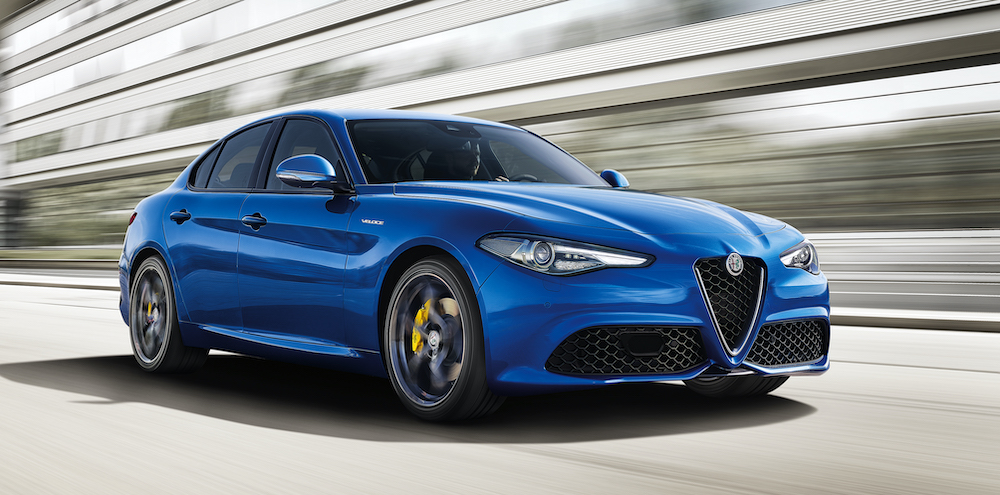
Pittsburgh roads offer a diverse environment for experiencing a performance-oriented vehicle. Drivers encounter urban streets, highways, rolling hills, winding roads, bridges, and changing weather conditions, creating opportunities to appreciate different aspects of a vehicle’s design. For those researching Italian performance and driving dynamics, an Alfa romeo dealership in Mt Lebanon PA can provide a starting point for exploring the Alfa Romeo lineup. Models such as the Giulia and Stelvio combine turbocharged power, responsive handling, sophisticated suspension systems, and available all-wheel drive, characteristics that can make everyday Pittsburgh driving more engaging.
Performance That Suits City Driving
Performance is not only about acceleration or top speed. In an urban environment such as Pittsburgh, responsiveness, maneuverability, braking, and smooth power delivery can be just as important.
The Alfa Romeo Giulia is designed around a balance of performance and handling. Alfa Romeo highlights its lightweight construction, balanced weight distribution, and responsive engine as key elements of its driving character.
These qualities can be useful when navigating city streets, where drivers frequently encounter intersections, traffic lights, changing lanes, and tight turns. A responsive vehicle can make these everyday driving situations feel more controlled while still providing the performance expected from a sport-oriented sedan.
Handling Pittsburgh’s Hills and Curves
Pittsburgh’s terrain is one of its defining characteristics. The city and surrounding areas include numerous hills, curves, and elevation changes, making handling an important consideration for drivers.
Alfa Romeo’s suspension engineering is intended to provide precise control during cornering. The Stelvio, for example, uses a double-wishbone front suspension and a multilink rear suspension, while available active suspension technology can adjust the vehicle’s response according to the selected driving mode.
For drivers traveling through hilly neighborhoods or taking winding roads outside the city, these characteristics can contribute to a more composed driving experience. Steering response and suspension control become particularly noticeable when roads change direction repeatedly.
Turbocharged Power for Highway Travel
Pittsburgh connects to several major highways, making highway performance another important part of the driving experience. A vehicle needs enough power for merging, passing, and maintaining speed while remaining comfortable during longer trips.
The 2025 Alfa Romeo Giulia is equipped with a 2.0-liter turbocharged engine producing up to 280 horsepower and 306 pound-feet of torque. Alfa Romeo lists a 0-to-60-mph time of 5.1 seconds for the AWD version.
The 2026 Stelvio also uses a 2.0-liter turbocharged four-cylinder producing 280 horsepower, with Alfa Romeo USA listing a 5.5-second 0-to-60-mph time for the AWD model.
These specifications demonstrate that performance can be useful beyond spirited driving. Strong acceleration can provide additional flexibility when entering highways or responding to changing traffic conditions.
The Role of All-Wheel Drive
Pennsylvania weather can change significantly throughout the year, making traction an important consideration. Rain, snow, wet leaves, and cold temperatures can affect road surfaces, particularly on hills and less-traveled roads.
Alfa Romeo’s Q4 all-wheel-drive system is designed to manage traction between the front and rear wheels while maintaining responsive handling characteristics.
The 2026 Stelvio overview from Ron Lewis Alfa Romeo states that Q4 all-wheel drive is standard on that model and is designed to distribute power according to road conditions.
All-wheel drive does not eliminate the need for appropriate tires or careful driving, but it can provide an additional traction advantage when road conditions become challenging.
Driving Modes for Different Conditions
A performance vehicle can be more versatile when its driving characteristics can be adjusted according to the situation. Alfa Romeo’s DNA drive-mode system is designed to change aspects of the engine and transmission response.
The 2026 Stelvio, for example, offers Dynamic, Natural, and other drive-mode settings. Dynamic mode adjusts engine and gearbox behavior for a sportier response, while Natural mode provides a more relaxed configuration.
This type of flexibility can be useful around Pittsburgh. A driver may prefer a calmer setup for daily commuting and a more responsive setting when traveling on open roads with suitable conditions.
Braking and Driver Control
Performance also depends on how effectively a vehicle can slow down and maintain control. Pittsburgh driving can involve frequent changes in speed, steep sections, intersections, and unpredictable traffic patterns.
Alfa Romeo’s engineering approach incorporates braking and chassis systems designed to work together. The Stelvio’s Integrated Brake System combines hydraulic braking with electronic brake-by-wire technology, while its suspension and weight distribution contribute to vehicle control.
For everyday driving, consistent braking response can be more important than headline performance numbers. Drivers should still adapt their speed and following distance to traffic, visibility, weather, and road conditions.
Comfort on Longer Pittsburgh-Area Drives
A performance vehicle should also remain comfortable when the road trip lasts longer than expected. Pittsburgh-area drivers may travel between neighborhoods, suburbs, nearby communities, and regional destinations on the same day.
The Alfa Romeo Giulia combines its performance-focused engineering with features intended to support everyday usability. Available equipment includes an infotainment touchscreen, navigation, smartphone connectivity, a customizable digital instrument display, and heated seating on certain versions.
The Stelvio adds SUV practicality, including a larger cargo area than the Giulia and available comfort and technology features.
This combination can make a performance-oriented vehicle suitable for more than occasional weekend drives.
Technology for Everyday Roads
Modern performance vehicles increasingly combine driving dynamics with driver-assistance technology. Features such as adaptive cruise control, lane-keeping assistance, forward collision warning, and traffic-sign recognition can support drivers during routine journeys.
The 2026 Stelvio offers technologies including adaptive cruise control, active blind-spot monitoring, lane-keeping assistance, traffic-sign recognition, driver attention alert, and forward collision warning.
These systems are designed as driver aids rather than replacements for attentive driving. Their availability can also vary according to model, trim, and equipment package, so buyers should verify the exact specifications of a vehicle.
Choosing Between a Sedan and SUV
Drivers interested in Alfa Romeo performance have different vehicle formats to consider. The Giulia provides a lower sedan profile and a performance-oriented driving position, while the Stelvio provides SUV practicality and additional cargo flexibility.
The choice depends largely on how the vehicle will be used. A driver who prioritizes sedan proportions and a lower driving position may prefer the Giulia. Someone who regularly carries larger items or wants the additional practicality of an SUV may find the Stelvio’s format more suitable.
Both models demonstrate Alfa Romeo’s emphasis on responsive handling and performance-focused engineering.
Making the Most of a Test Drive
A test drive is one of the best ways to understand how a performance vehicle fits a driver’s routine. Rather than focusing exclusively on acceleration, drivers can pay attention to steering response, braking feel, visibility, seating position, ride comfort, transmission behavior, and maneuverability.
On Pittsburgh-area roads, it can be useful to experience different road types where appropriate and legal. City streets can reveal low-speed characteristics, while highway travel can demonstrate acceleration and cruising comfort. Curving roads can provide an opportunity to evaluate steering and suspension response without exceeding safe speeds.
Conclusion
Exploring Alfa Romeo performance on Pittsburgh roads means looking beyond horsepower figures. The region’s hills, curves, highways, city streets, and changing weather provide a varied environment where handling, traction, braking, comfort, and technology all matter. The Giulia emphasizes sedan-based performance and responsive handling, while the Stelvio combines similar performance principles with SUV versatility.
For prospective buyers, comparing specifications and taking a careful test drive can provide a clearer understanding of how an Alfa Romeo fits everyday driving needs. When performance, practicality, and road confidence are considered together, Pittsburgh’s varied roads provide an interesting setting for experiencing what these vehicles are designed to deliver.