Zego reveal that Electric cars are more likely to fail their MOTs
Posted by James Ruppert | Oct 15, 2026 | 4 x 4, Electric Cars, Classic Motorcycles, MOT Failure
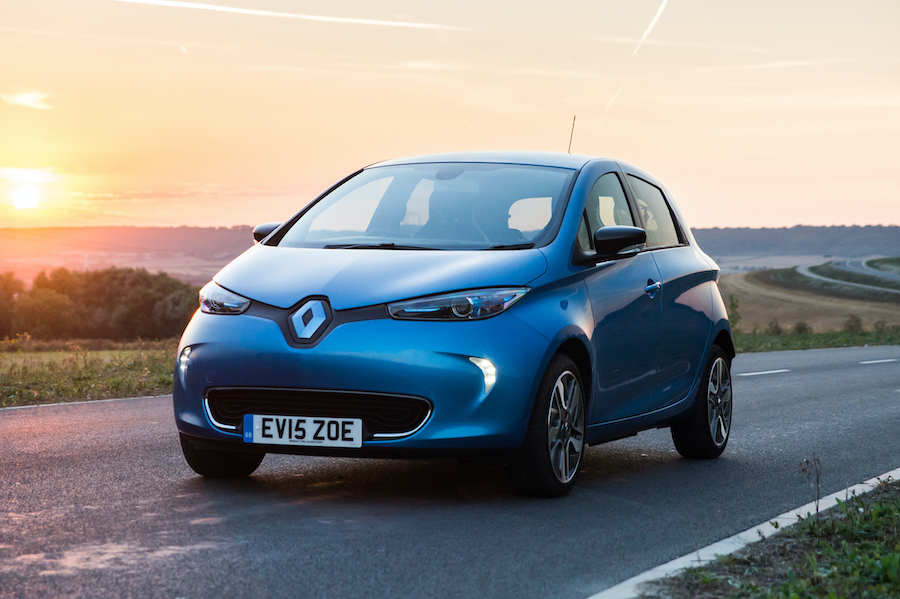
Electric cars are becoming increasingly more popular in the UK, with battery electric vehicles (BEVs) making up over 25% of new car sales, and individual sales recently overtaking traditional petrol cars in a 12-month period.1
Now, the car insurance experts at ZEGO have revealed that electric cars often see higher rates of MOT failure. They analysed a wealth of official UK government MOT anonymised data to identify the car makes and models that rack up the most issues and discover which models could be leaving their owners with the most maintenance headaches.
Sten Saar, CEO of Zego, comments on why electric cars have higher MOT failure rates:
“Electric cars tend to be less maintenance than petrol or diesel cars because they have significantly less moving parts and eliminate complex systems found in internal combustion engine vehicles. EVs don’t have engine fluids to change and most models don’t have a complex gearbox or clutch.
“Despite this, EVs do have higher MOT failure rates due to weight, usage, and maintenance factors. They are 40% more likely to fail on tyre-related issues than petrol cars and they are susceptible to brake corrosion due to physical friction brakes being used less often.2 They also suffer from suspension stress, the heavy weight of the battery puts extra downward force and physical strain on suspension components.”
Nissan E-NV200
The Nissan E-NV200 model has an overall score of 9.6/10. The E-NV200 has a failure rate of 1.8, the second-highest ranking overall. It also has a high failure defect ratio of 2.3 and a high minor fault ratio of 1.7. Though electric cars are often cheaper to buy and run than petrol cars are, the maintenance needed to manage the upkeep of a car like the E-NV200 can make owning one less affordable than it seems.
BMW iX
The BMW iX model has a score of 9.3/10. The iX model has a very high dangerous defect ratio score of 1.7. For both failure ratio and failure defect ratio it scores 1.5. The iX isn’t high maintenance when it comes to routine servicing as it’s an electric vehicle. But it can incur high-end luxury repair and consumable costs such as heavy tyres, air suspension, or out-of-warranty electrical fixes.
Renault Zoe
The Renault Zoe model also has a score of 9.3/10. The Zoe model has a score of 1.8 for the failure defect ratio, but a low score of 0.7 for the minor fault ratio. The Zoe is significantly cheaper to run than a petrol or diesel car due to fewer moving parts and no engine oil, but it does have specific known electrical and mechanical wear points that can make the upkeep costly if ignored.
Tesla Model Y
The Tesla Model Y has an overall score of 9.2/10. The Model Y ranks sixth overall for the dangerous defect ratio with a score of 1.9. It also has a score of 1.5 for the failure defect ratio. Overall, the Tesla Model Y is considered fairly low maintenance due to its low lifetime costs and only requiring a few basic items like tyres and brake fluid during routine checks. However, whilst routine maintenance is low, out-of-warranty mechanical repairs can be expensive if they fail, and service center wait times can often be long.