Why are cars so huge these days?
Posted by Kiran Parmar | Nov 12, 2026 | Car Design, Technology, Car History, Classic Cars, BMW, Audi, Articles
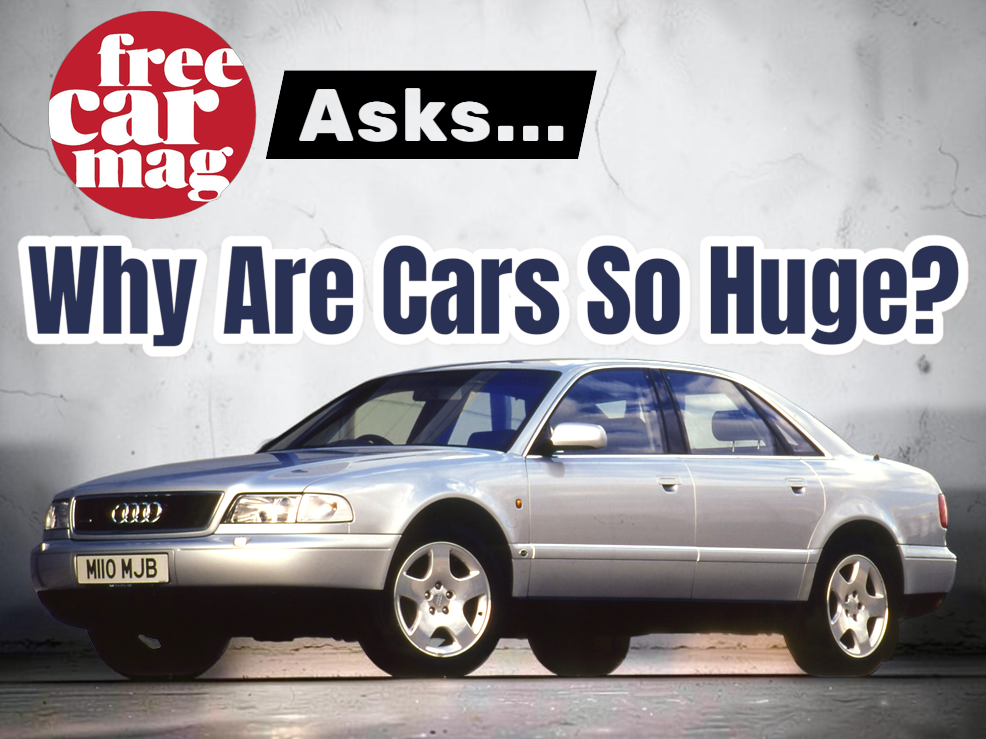
A couple of days ago, I was scrolling through Instagram and saw a post about the first-generation Audi A8 that was launched back in 1995.
At the time, we all thought the A8 was huge! Of course, Audi were building a machine to take on the BMW 7-Series and Mercedes-Benz S Class.
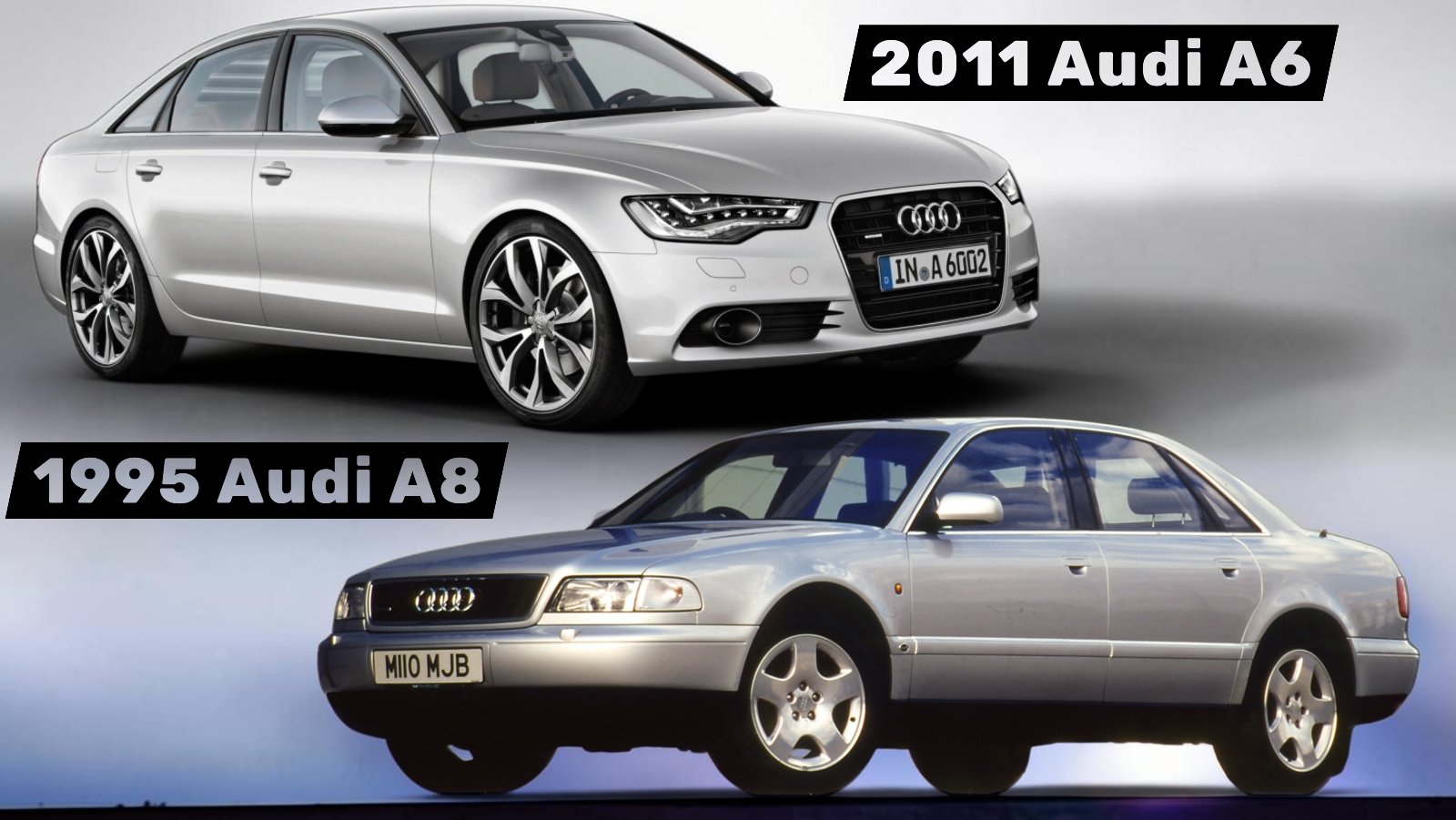
A few years ago, we had to say goodbye to our beloved 2003 BMW 530d Saloon (e39) as it was not ULEZ compliant. We decided to go for a 2012 Audi A6 Quattro (c7). You would think the 5-Series is a direct competitor for the A6 so the two should be similar in size. However, the two cars are separated by 9 years with a whole model generation in-between both brands respectively, during that time cars have silently grown.
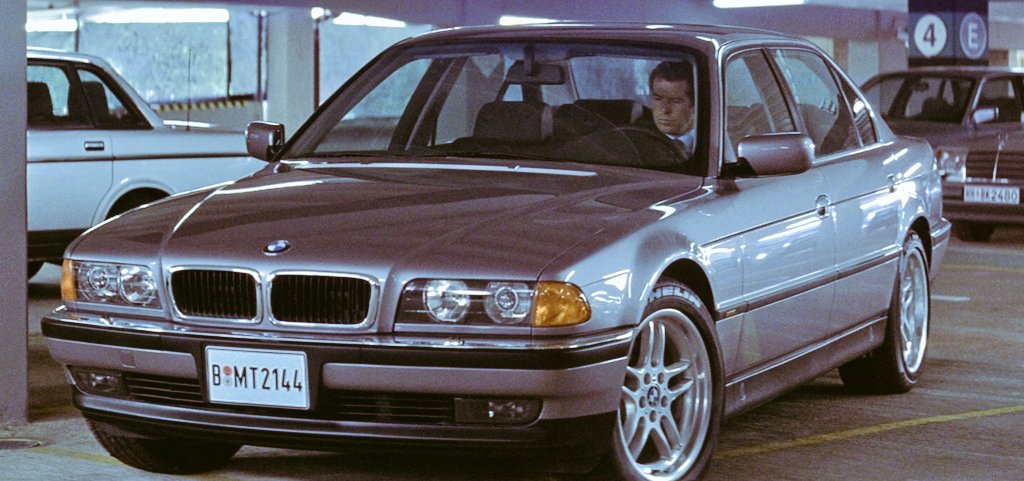
The 2012 Audi A6 (c7) is in fact the same size as the 1994 BMW 7-Series (e38), the one Pierce Brosnan drove in ‘Tomorrow Never Dies.’
If you want your mind to be further blown, the A6 ‘c7’ has a longer wheelbase and is taller than the first-generation Audi A8!
Even small cars are growing, today’s 2026 Volkswagen Polo (current AW generation) is very similar in size to a fourth generation (Mk4) Volkswagen Golf (1J, 1997–2004).
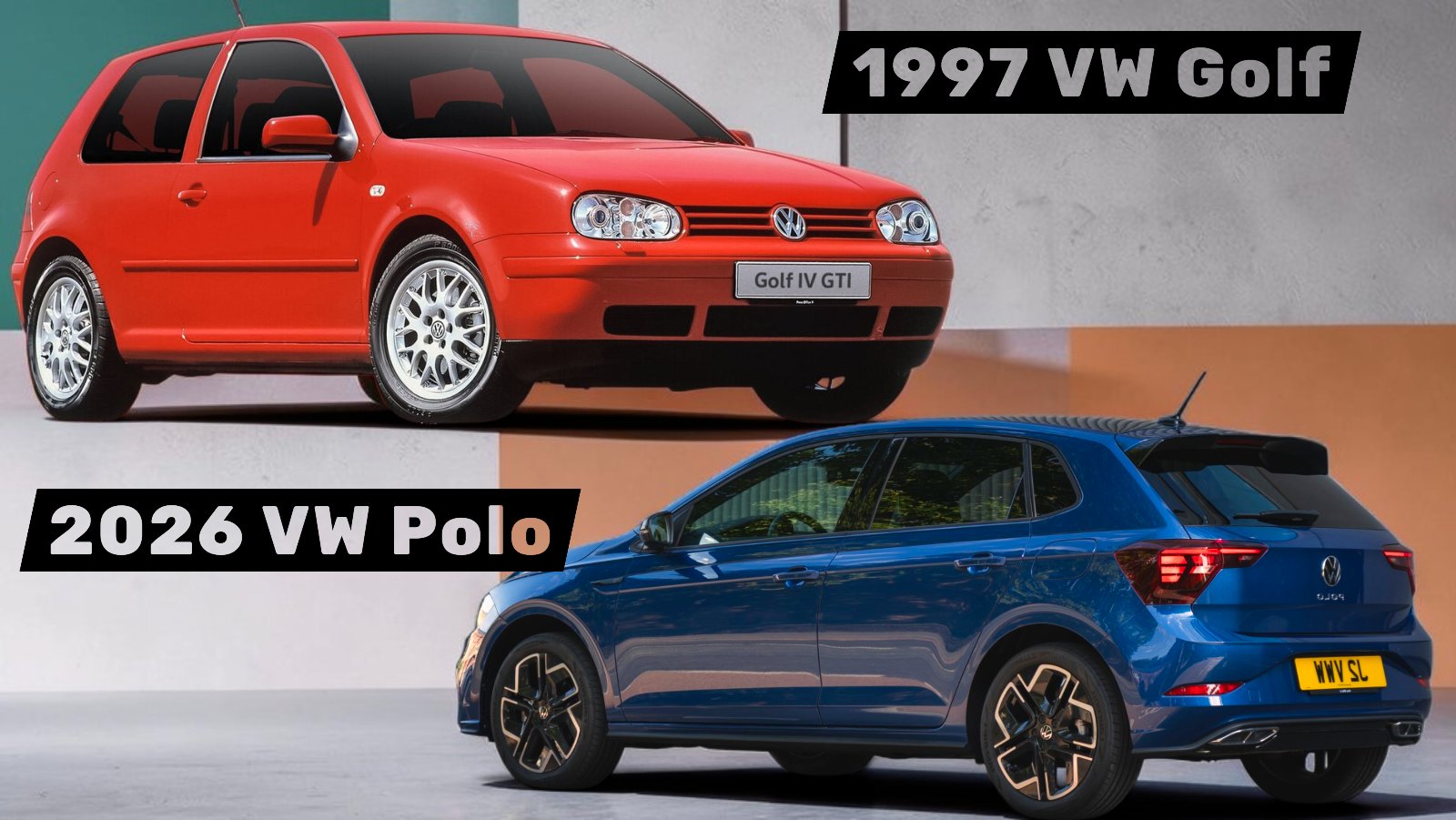
So why are cars getting bigger, wider and taller and more difficult to park?
The great thing about the BMW 5-Series ‘e39’ saloon was that it drove like a 3-Series ‘e46’ saloon. It didn’t feel like a big car, and you could chuck it around the country roads and come away with a big smile on your face! Also, the fabulously weighty hydraulic power steering gave huge driver involvement and a precision feeling letting you know exactly what the front wheels were doing.
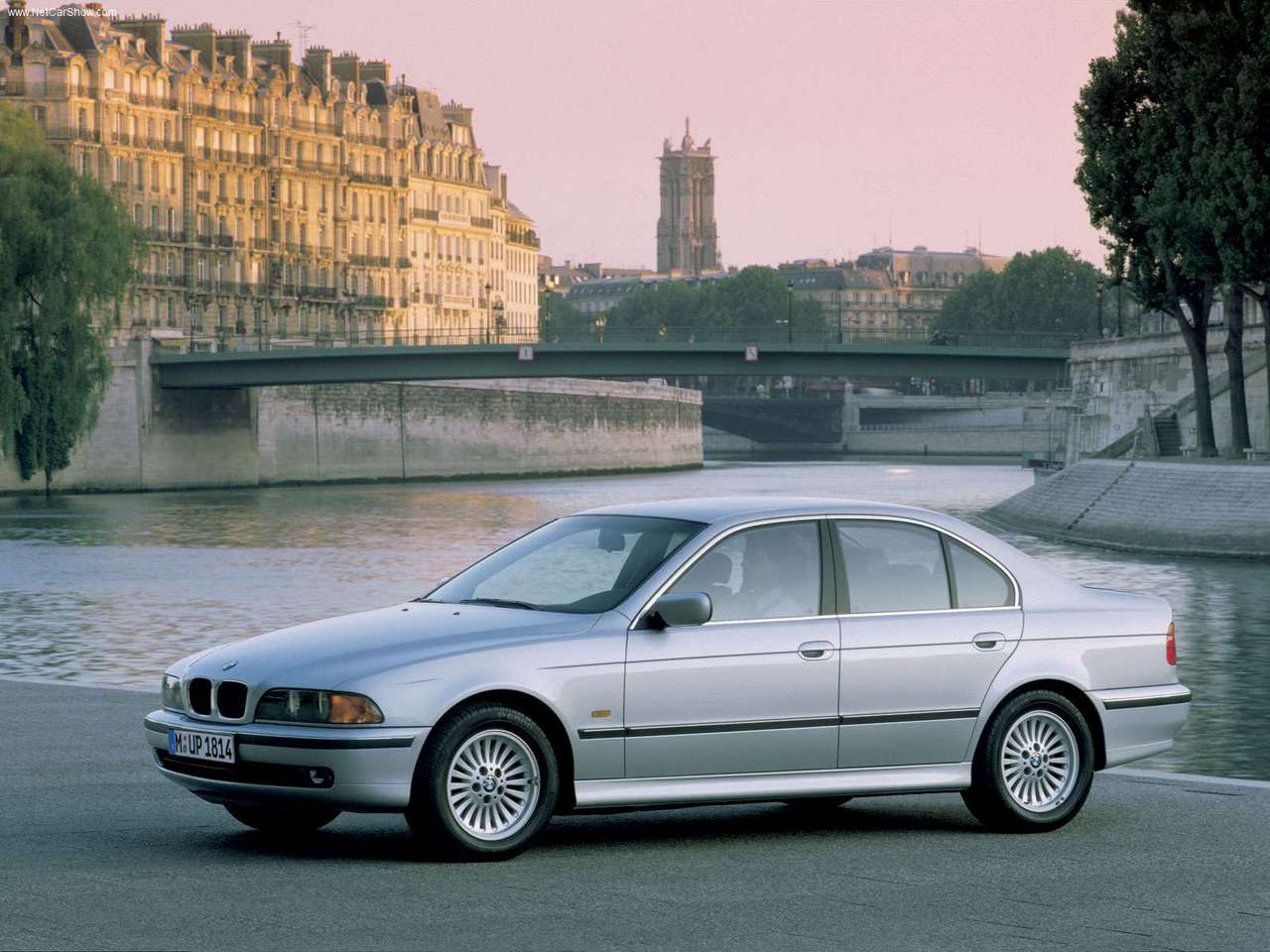 The A6 in comparison feels like a huge car and idea of chucking it around the tight country bends sends the fear of tight-rope walking into my mind. Also, the Audi has electro-mechanical steering which lacks feel and leaves you feeling numb even in its heaviest setting, dynamic mode.
The good thing about big saloon cars from the past is they were not that ‘big’ and drove like their smaller siblings in their model range.
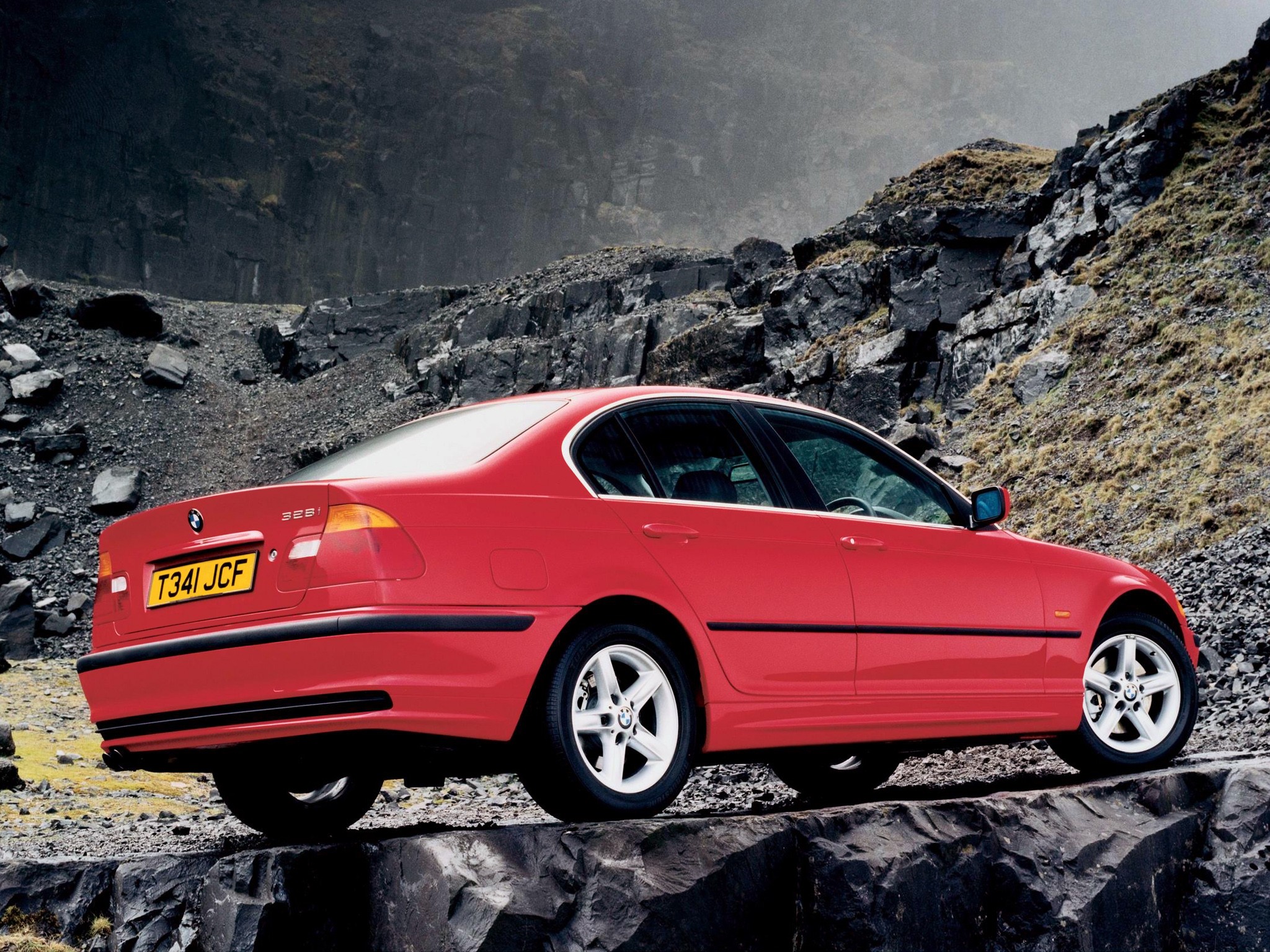
Now think back to that film we mentioned earlier, do you remember the car chase in the German multistorey car park? The ‘e38’ looked agile and dynamic. Would you attempt the same stunts in the new 7-Series? Not a chance a hear you say! The new 7 is 16 inches longer and 3.5 inches wider than the ‘e38’. I would hazard a guess that if the Bond film makers were making that same film today, the ‘G70’ would not even get an audition — too big, too unwieldy and too ugly.
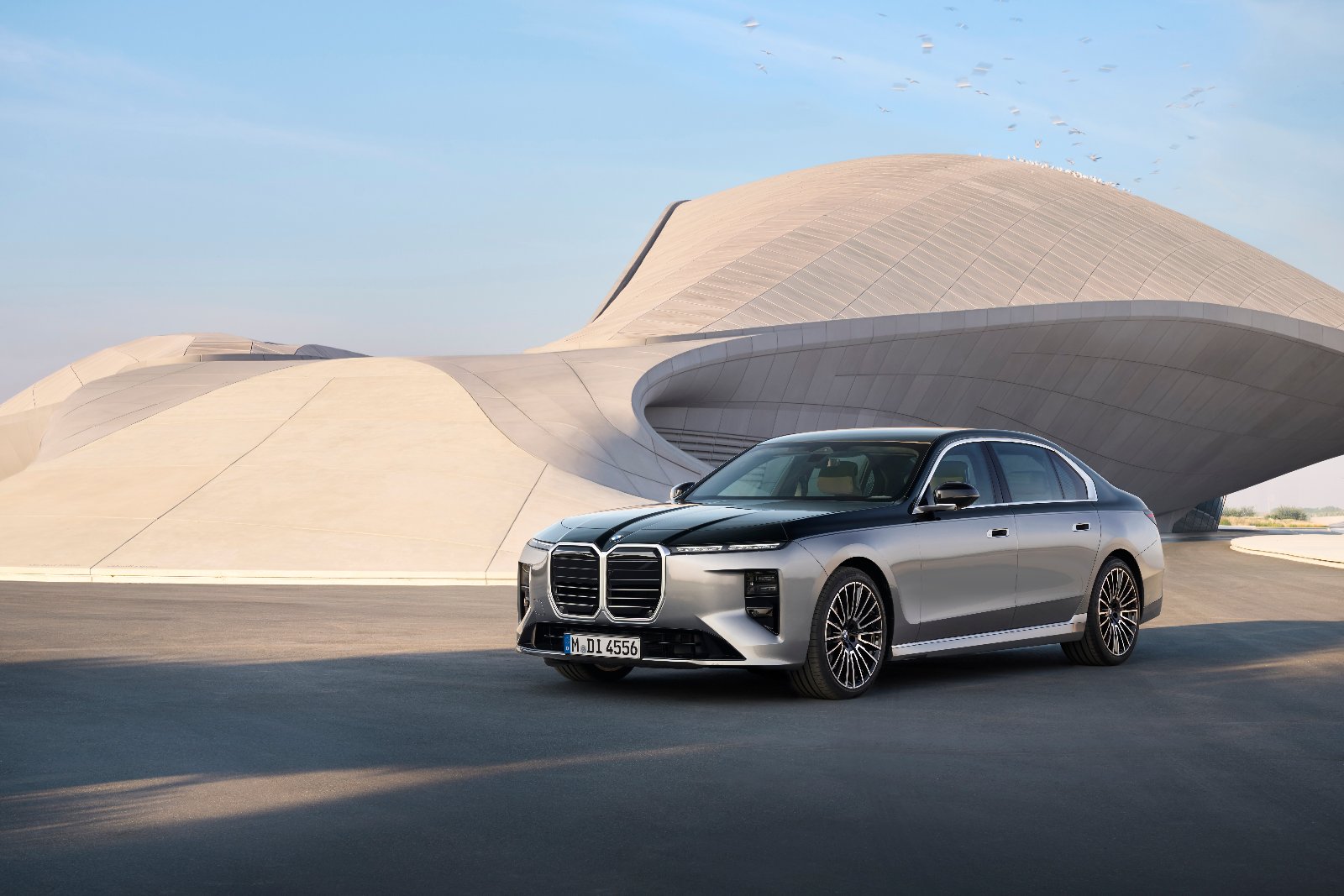
So why are cars growing bigger?
Cars are getting bigger with each generation due to stricter crash-safety rules, consumer demand for space and SUVs, the physical packaging needs of electric vehicle (EV) batteries, and higher profit margins for manufacturers.
Key Drivers of Vehicle Growth:
• Stringent Safety Regulations: Modern cars must pass severe impact testing, which requires thicker window pillars (“greenhouse” areas), reinforced passenger safety cages, heavy crumple zones, and multiple airbags (often six or more). Pop-up bonnets to protect pedestrians also add structural bulk.
• Consumer Demand for Space and SUVs: Buyers are increasingly favouring higher driving positions, larger boots, bulky seating, and greater cabin storage, causing a massive surge in the popularity of SUVs and crossovers which make up the majority of new car sales in the UK and Europe.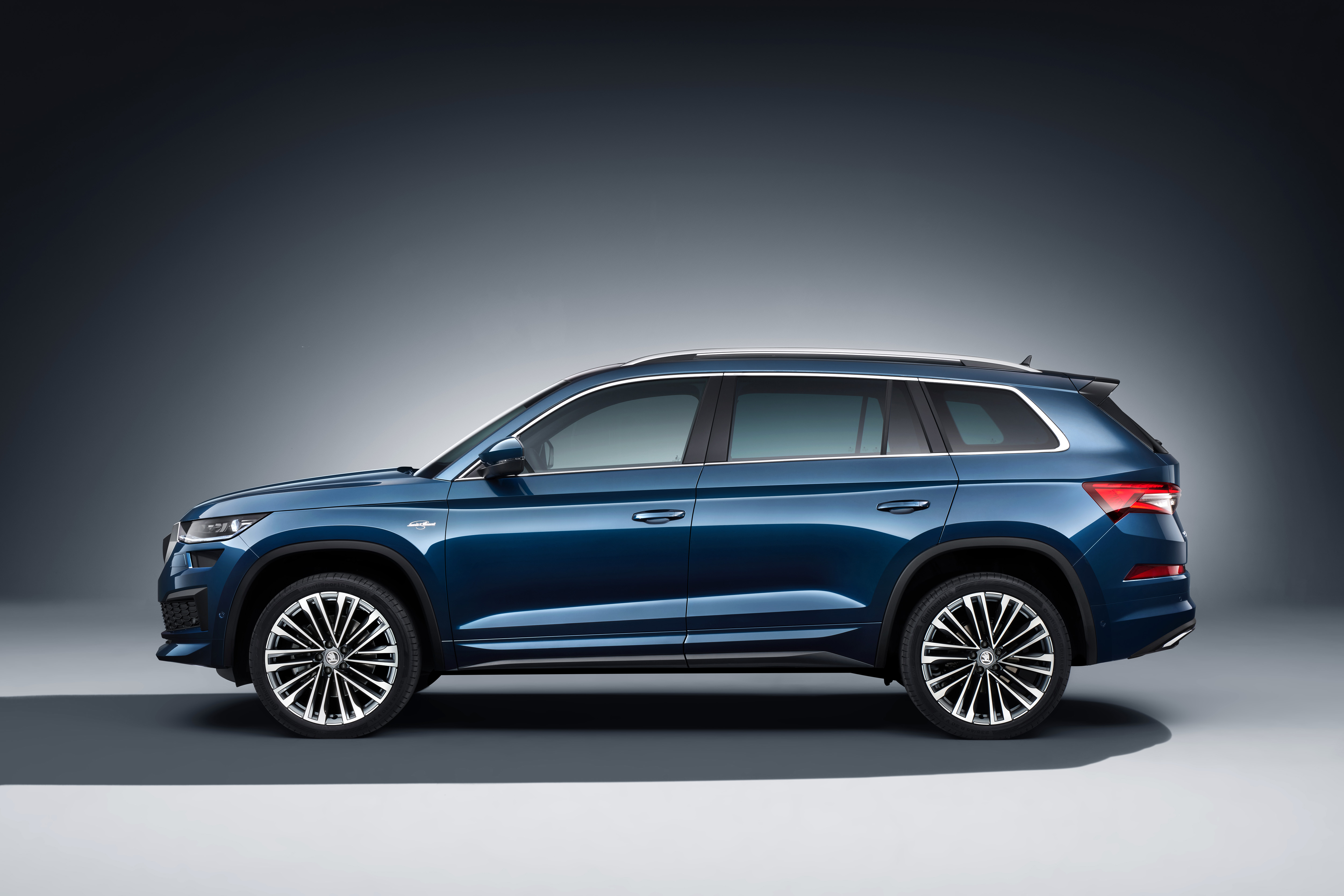 • Electrification and Battery Packaging: Fitting large lithium-ion battery packs underneath the floor-pan requires a wider and taller footprint to maintain a practical interior cabin height and range. Battery packs alone can add hundreds of kilograms to a vehicle’s mass.
• Segment Creep: As a vehicle model gets redesigned into a new generation, manufacturers often let it grow larger to feel “better” or more upmarket than the outgoing version. They then introduce a brand-new, smaller model to fill the entry-level gap left behind (a strategy known as “segment creep”).
• Higher Profit Margins: Building larger vehicles and SUVs yields significantly higher profit margins for car makers compared to compact city cars or small hatchbacks, where fixed manufacturing and component costs take up a much larger share of the retail price.
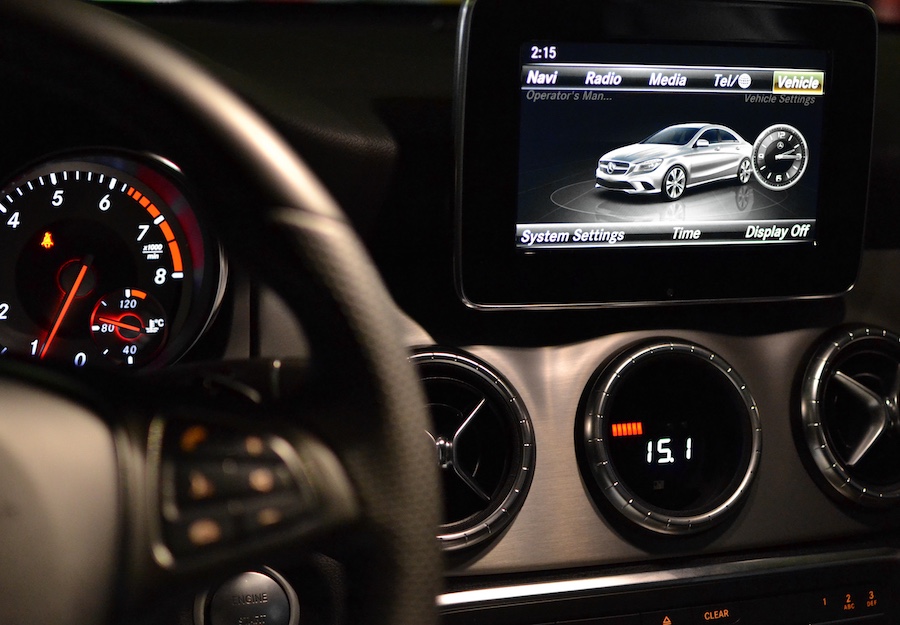
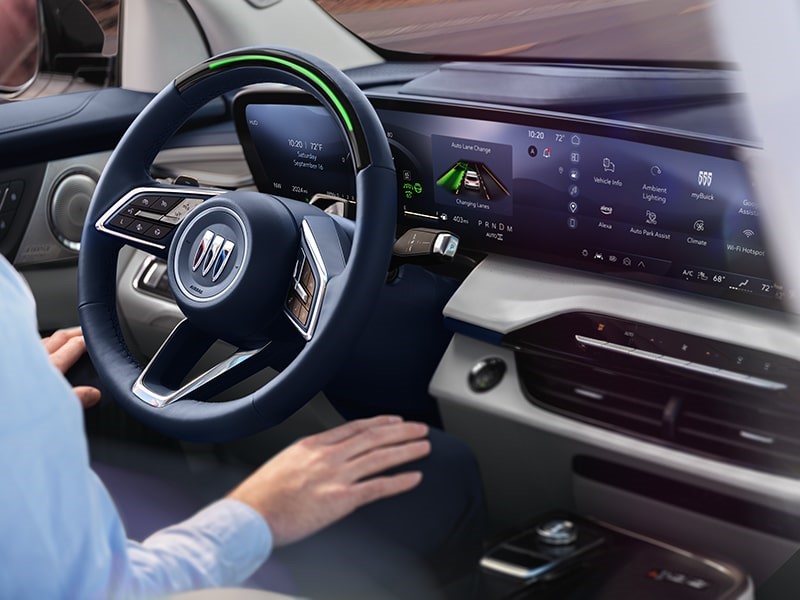
• Feature Integration: Modern drivers expect heavy comforts like extensive soundproofing, dual-zone air conditioning, large touchscreen infotainment displays, and numerous electronic sensors and driver-assistance radars.
So has the fun gone out of Modern cars? Sadly, pretty much so.
Older cars were smaller, more fun to drive, easier to park, simpler to fix and more driver focused and, in some regards, safer thanks to physical buttons in the cockpit. If you are thinking of changing cars as you read this article, look at the size of your prospective new car compared to your current car. If you currently park in a garage, check to see if your new car will fit. Can you open the door and enter and exit comfortably?
If you are thinking of going from a saloon to an SUV, consider an estate first. If you regularly drive on narrow single lane country roads, test drive your potential new motor on those roads and make sure you feel comfortably, especially when meeting oncoming traffic. Remember, Great Britain is a small island compared to other places in the world and country roads, minor roads (C and unclassified roads), many of which are narrow country lanes and single-track rural roads, account for about 79% to 81% of GB’s road network.
Also bear in mind that multi-storey car parks haven’t changed much since they were first built so if you regularly park in them, check your potential new car is suitable for those tight spaces and spirally narrow ramps.
Remember, newer and bigger is not necessarily better!
You can check how safe your current car is on the Euro NCAP website here.