Why Window Tint Is More Than a Style Upgrade
Posted by James Ruppert | Nov 12, 2026 | Tinted Windows, Tints, Upgrades
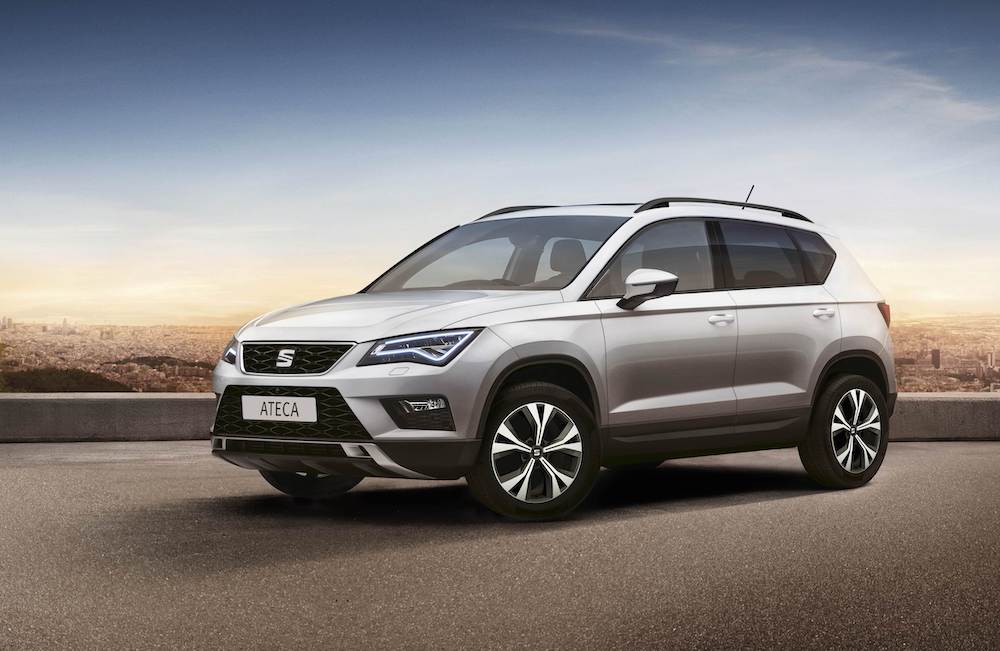
Most drivers pick tint for the look. A darker cabin does look sharp. But the film also manages UV, heat, glare, and glass safety on every drive.
UV Exposure Happens Inside Your Car
Sunlight carries two UV types that matter here. UVB causes most sunburn. UVA reaches deeper into skin and drives aging. Standard glass filters most UVB. It does not stop UVA well.
Your windshield is laminated and blocks some UVA. Side and rear windows are usually tempered glass. They let UVA pass. Your arm and the side of your face take steady exposure on every commute.
Quality film changes this. Many UV-rated films block more than 99% of UVA and UVB. Even clear film can do it. Darkness is not what blocks UV. The UV inhibitor in the film does that work. A specialist like Solar Shade Window Tint can show you spec sheets for UV-rated options before you commit.
Heat Rejection Comes Down to Physics
Solar energy reaches your car as UV, visible light, and infrared. Infrared makes up roughly half of it. It is the main source of the heat you feel on your skin.
Film types handle this differently:
-
Dyed film: absorbs heat, but can fade over time.
-
Carbon film: uses carbon particles for steadier color and better rejection.
-
Ceramic film: uses nonconductive ceramic particles to reject infrared without needing a dark shade.
Learn the specs before you buy:
-
VLT: visible light transmission. Lower numbers mean darker film.
-
TSER: total solar energy rejected. This reflects real heat control.
-
IRR: infrared rejection at set wavelengths.
-
UV rejection: look for 99% or higher.
Two films with the same VLT can perform very differently. A light ceramic film can beat a dark dyed film on heat.
A Cooler Cabin Eases the Load on Your AC
When less solar energy enters the cabin, the AC works less. It reaches the target temperature faster. It also cycles more gently in stop-and-go traffic.
In electric vehicles, a lower cooling load can help preserve range. Results vary by climate and film choice.
Interior parts benefit too. Dashboards, leather, and plastics crack and fade under UV and heat. Film slows that wear. A better-kept interior helps resale value.
Less Glare Means Less Eye Strain
Glare from the road, hoods, and wet pavement forces your eyes to work harder. Tint cuts visible light and softens that glare. Long drives feel less tiring.
There is a limit. Go too dark and night visibility drops. Pick a VLT that fits your driving habits and your local rules.
Safety and Privacy Gains
Tint adds protection you only notice when you need it:
-
Glass retention: thicker safety films help hold fragments together after impact. Standard tint offers a smaller benefit.
-
Privacy: darker rear glass hides bags, laptops, and gear from view.
-
Theft deterrence: a car with hidden contents is a less tempting target.
None of this replaces an alarm or good habits. It adds one more barrier.
Know the Law Before You Choose
VLT limits vary by state and country. Windshields face the strictest rules. Front side windows usually have tighter limits than rear glass.
Some regions allow medical exemptions for darker film. Many allow clear UV film where dark tint is restricted. Check local rules first. A fine or a forced removal costs more than a careful choice.
Also consider signal interference. Older metalized films can disrupt GPS, radio, and cell reception. Ceramic films do not carry that problem.
What to Check Before You Buy
Ask for documented UV rejection numbers. Do not rely on shade alone. According to the Skin Cancer Foundation, UV window film can block more than 99% of UVA and UVB. It also advises looking for films marketed as UV or solar window film.
Then review the install itself:
-
Surface prep: glass should be cleaned thoroughly. Dust under film shows as specks.
-
Edges: film should sit tight with clean, even gaps.
-
Cure time: moisture needs days to clear. Keep windows up for the period your installer gives you.
-
Warranty: look for coverage against bubbling, peeling, and discoloration.
Haziness during curing is normal. Persistent bubbles are not.
The Bottom Line
Tint earns its place in a car for reasons beyond looks. It blocks UV, rejects heat, cuts glare, and protects your interior. Choose film by its data, confirm your local limits, and use a skilled installer. The style upgrade is the part you see. The rest is what you feel over thousands of miles.