How Dashboard Technology Is Evolving in Modern Vehicles
Posted by James Ruppert | Nov 12, 2026 | Technology, Chips, High Tech
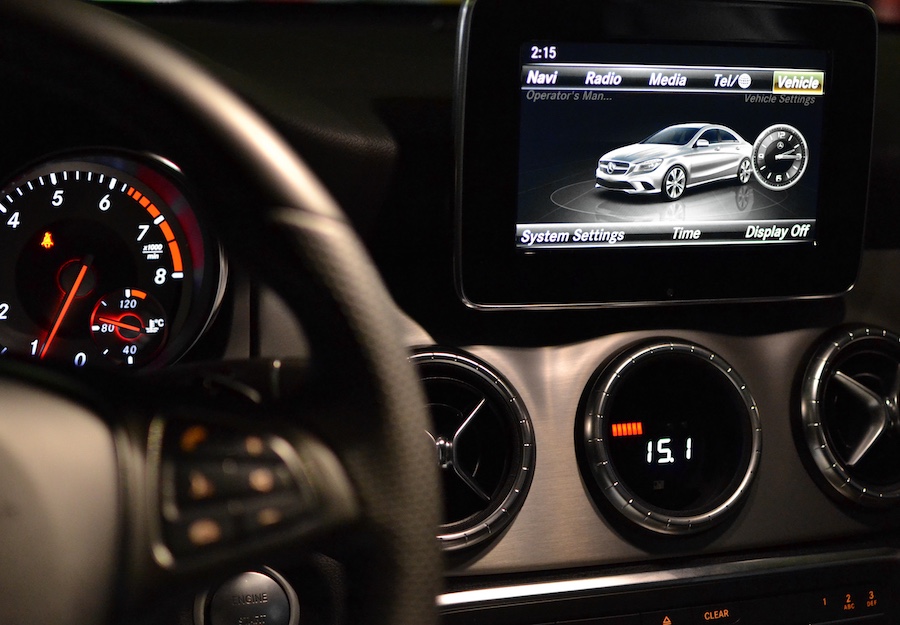
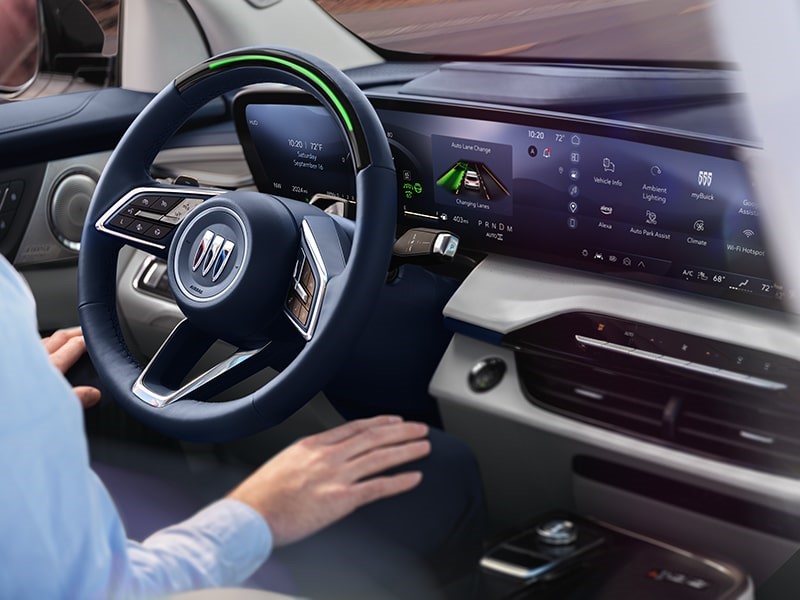
The dashboard has changed more in the past decade than almost any other part of the car interior. Traditional dials, radio buttons, and separate navigation screens are giving way to digital instrument clusters, oversized touchscreens, head-up displays, and software-driven controls.
Some of these changes make cars easier to use. Others leave drivers wondering why adjusting the temperature now requires three taps on a screen. The best modern dashboards are not necessarily the most futuristic. They are the ones that give drivers useful information without turning the cabin into a rolling tablet.
Digital Instrument Clusters Are Becoming Standard
Analog gauges are disappearing from many new cars as digital instrument clusters become more common.
These screens allow manufacturers to change what appears in front of the driver depending on the situation. A normal commute might show speed and fuel level, while navigation directions, driver-assistance graphics, or performance data can take priority when needed.
Performance cars can display lap timers, gear indicators, boost pressure, or shift lights, while EVs often prioritize range, energy consumption, and regenerative braking information. The flexibility is useful, but clutter can quickly become a problem. A sharp display is still difficult to read if too much information is competing for attention.
Good cluster design remains about showing the right information quickly.
Car Screens Are Getting Bigger
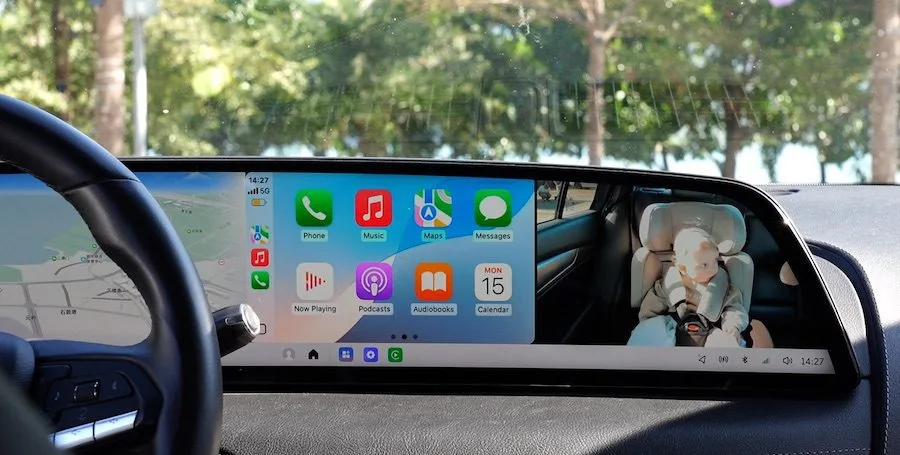
Center screens that once looked large at eight inches now seem modest. Many new cars use 12-inch or larger displays, while some stretch screens across much of the dashboard.
These systems can combine navigation, media, climate control, cameras, vehicle settings, and phone integration into one interface. Outside mainstream passenger cars, displays can become even more specialized.
Emergency, military, industrial, and off-road vehicles may use rugged displays designed to withstand vibration, temperature changes, dust, and demanding working environments.
That technology shows how far automotive screens have moved beyond simple infotainment. In many vehicles, they are becoming the primary interface for controlling and monitoring the car.
Touchscreens Have Not Replaced Good Buttons
The touchscreen debate is not going away.
Manufacturers like clean interiors because large displays remove rows of switches and make cabins easier to update through software. The problem is that drivers still need to operate basic functions without looking away from the road.
Temperature controls, volume, heated seats, and defogging are frequently used while driving. Hiding them inside several menu layers may make the dashboard look cleaner, but it can make the car less intuitive.
The best cabins increasingly combine both approaches. A central screen handles complex functions, while physical controls remain for features drivers use constantly.
A simple rotary knob can still be better than a touchscreen slider when you need to make an adjustment without looking.
Head-Up Displays Are Becoming More Useful
Head-up displays were once a novelty found mainly in luxury cars, but they now appear across more segments and show far more than speed.
Modern systems can display navigation arrows, speed limits, adaptive cruise-control settings, and collision warnings in the driver’s field of view. Some augmented-reality systems can even place directional graphics over the road ahead.
When done well, this reduces the need to glance down at the instrument panel. When done badly, it can create another layer of visual clutter.
The challenge is keeping useful information visible without turning the windshield into another screen.
Driver-Assistance Tech Is Changing What We See
Modern dashboards also have to explain what the car itself is doing.
Adaptive cruise control, lane centering, blind-spot monitoring, automated parking, and collision-avoidance systems all require clear visual feedback. Drivers should be able to tell whether a system is active, what it has detected, and when they need to take control.
That is not always easy when manufacturers use different symbols and graphics. A dashboard full of tiny steering-wheel icons and colored lines may look advanced, but it is not much use if the driver cannot understand it immediately.
The better systems make automation status obvious without overwhelming the rest of the display.
Performance Cars Are Turning Dashboards Into Data Centers
Enthusiast cars have embraced digital dashboards differently.
Modern performance models can display oil temperature, tire pressure, G-force, lap timing, power distribution, and transmission data that previously required aftermarket gauges. That can be genuinely useful for drivers who take cars on track or want a clearer picture of how the vehicle is performing.
The danger is turning useful telemetry into a visual gimmick. A performance display should prioritize the information a driver needs at speed and move secondary data into deeper menus.
Clear numbers matter more than oversized graphics.
EVs Are Driving Dashboard Design in New Directions
Electric cars have also changed what drivers expect to see.
A traditional fuel gauge simply shows how much gasoline remains. An EV dashboard may also display predicted range, battery temperature, consumption, charging status, and energy recovered through regenerative braking.
Many EVs now integrate route planning with charging stops, expected battery percentage on arrival, and estimated charging time. That makes the dashboard part navigation system and part energy-management tool.
The best interfaces keep this information simple. Drivers should not need to understand battery engineering just to decide whether they can reach the next charger.
Driver Distraction Is Still the Big Question
More screens mean more opportunities to show useful information, but they also create more things to look at.
NHTSA’s driver-distraction guidance recommends placing important information close to the driver’s forward line of sight, minimizing glare, and designing visual tasks around short glances.
That becomes increasingly important as manufacturers move climate controls, vehicle settings, and even simple functions into touchscreens.
Voice and Steering-Wheel Controls Still Matter
Voice assistants can reduce the need to dig through menus for navigation, calls, or basic settings, but they are not a complete solution. Some systems understand natural speech well, while others still require very specific commands.
Steering-wheel buttons, rotary controllers, and shortcuts remain useful because they provide another way to control common functions without relying entirely on the main screen.
Software Is Changing Cars After You Buy Them
One of the biggest changes is that dashboards are no longer fixed for the life of the vehicle.
Over-the-air updates can alter menus, add features, improve graphics, and correct software problems without a dealership visit. That is convenient, but it also means a familiar control can move after an update.
Manufacturers need to be careful with major interface changes because drivers build muscle memory around everyday controls. A dashboard should improve over time without constantly forcing the owner to relearn the car.
The Best Dashboards Still Put Driving First
Modern dashboard technology can make cars safer, easier to understand, and more capable. Digital clusters provide flexible information, head-up displays keep important data closer to the driver’s view, and larger screens can bring navigation, cameras, and vehicle settings into one place.
But more technology does not automatically create a better dashboard.
The best modern interiors balance digital flexibility with simple controls. Drivers should be able to find important information quickly, adjust common settings without distraction, and keep their attention on the road.
That remains the real test of a good dashboard. Not how impressive it looks in the showroom, but how easy it is to use once you are actually driving.