The Role of Heavy-Duty Power Cables in Automotive Manufacturing Facilities
Posted by James Ruppert | Nov 18, 2026 | BMW, Power, Car Factory, Cables
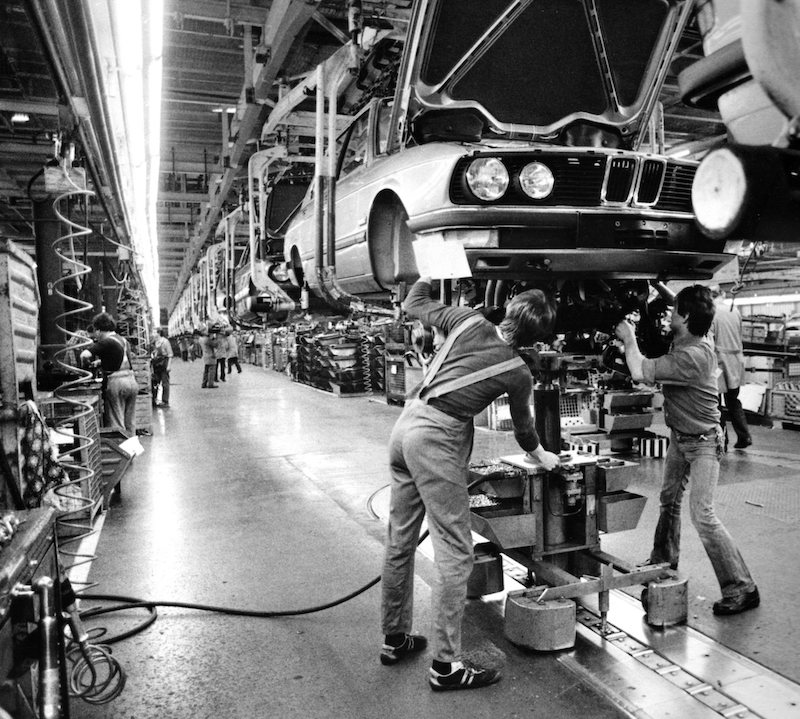
Automotive manufacturing facilities depend on machinery, automated production lines, testing equipment, and material-handling systems to keep operations running smoothly. Behind these processes is an electrical infrastructure that supplies consistent power to equipment across the facility. Even a minor connection problem can interrupt production, affect equipment performance, or create workplace safety concerns.
As manufacturing operations become more advanced, choosing suitable electrical cables and power distribution equipment becomes increasingly important. Heavy-duty electrical components help facilities manage demanding operating conditions, support temporary power requirements, and maintain reliable connections.
Why Electrical Reliability Matters in Automotive Manufacturing
Modern automotive production involves several interconnected processes, including metal fabrication, welding, painting, assembly, and quality testing. Each stage relies on electrical equipment that must operate consistently.
Reliable electrical infrastructure helps manufacturers:
● Maintain production continuity: Consistent power connections help reduce interruptions caused by electrical failures.
● Support industrial machinery: Manufacturing equipment requires cables and connections suited to its operating load.
● Improve workplace safety: Properly selected cables and connectors help reduce electrical hazards.
● Simplify maintenance: Organized electrical connections make inspection and troubleshooting easier.
Where Heavy-Duty Electrical Cables Support Manufacturing Operations
Automotive manufacturing facilities use different types of electrical equipment, each with specific power requirements. Heavy-duty cables and industrial connectors can support several applications throughout these environments.
1. Powering Industrial Equipment
Manufacturing plants use welding equipment, fabrication tools, compressors, and material-handling systems. These machines require electrical connections that match their voltage, current, and operating conditions.
Cables must have suitable electrical ratings and insulation to handle the intended load. Their construction should also account for exposure to heat, movement, abrasion, and other environmental factors where applicable.
2. Supporting Maintenance and Repair Work
Production facilities regularly schedule equipment inspections, repairs, and upgrades. During these activities, maintenance teams may need temporary electrical connections for tools, testing equipment, and auxiliary machinery.
Heavy-duty cables and portable power distribution equipment can provide electricity where permanent connections are unavailable or temporarily disconnected. Properly rated connections also help organize electrical supplies during maintenance work.
3. Managing Temporary Power Requirements
Facilities sometimes need additional electrical capacity during equipment installations, production-line modifications, or expansions.
Portable power distribution panels, generator cables, and industrial connectors can support these temporary requirements. Equipment selection should account for electrical loads, available supply, environmental conditions, and applicable safety standards.
How Power Distribution Equipment Supports Manufacturing
Cables are only one part of an industrial electrical system. Distribution panels, connectors, receptacles, and protective devices also contribute to the safe delivery of electricity.
Portable distribution panels, for example, can supply multiple pieces of equipment from an appropriate power source. Industrial connectors allow compatible equipment to be connected and disconnected when operational requirements change.
When evaluating power cables and related electrical distribution solutions, manufacturers should consider the complete application rather than selecting individual components in isolation. Cable ratings, connector compatibility, environmental protection, and maintenance requirements all influence the decision.
What to Consider When Selecting Industrial Power Cables
Choosing electrical cables involves more than checking their physical size or appearance. Manufacturers should evaluate several technical factors before selecting components.
Electrical Ratings and Load Requirements
Every cable must be suitable for the voltage and current requirements of the equipment it serves. An incorrectly rated cable can overheat, suffer insulation damage, or cause electrical failures. Manufacturers should consider operating loads and installation conditions before making a selection.
Environmental Conditions
Automotive manufacturing facilities can expose electrical equipment to challenging conditions. Depending on the application, cables may encounter oil, moisture, dust, vibration, abrasion, or elevated temperatures.
The cable’s insulation and outer construction should be appropriate for its intended operating environment.
Flexibility and Connector Compatibility
Some applications require cables to move with portable equipment or withstand repeated handling. Others involve stationary installations where mechanical protection is more important.
Connectors must also match the cable’s electrical ratings and equipment configuration. Incompatible or poorly secured connections can cause overheating, intermittent power, and equipment damage.
Why Electrical Safety and Maintenance Matter
Even well-designed electrical infrastructure requires regular inspection and responsible handling. Damaged insulation, loose connections, overloaded circuits, and unsuitable extension cords can create workplace hazards.
The Occupational Safety and Health Administration’s electrical safety guidance explains common workplace electrical hazards, including electric shock, electrocution, and fires.
Manufacturing facilities can strengthen their safety practices by:
● Inspecting cables, plugs, and connectors for visible damage.
● Removing worn electrical equipment from service.
● Ensuring circuits and cables suit their intended loads.
● Maintaining appropriate grounding and protective devices.
● Keeping electrical connections away from unnecessary moisture.
● Assigning installation and repair work to qualified personnel.
Preventive maintenance helps identify developing problems before they cause equipment downtime or safety incidents.
Conclusion
Reliable electrical infrastructure plays an important role in keeping automotive manufacturing facilities productive and safe. From powering industrial machinery to supporting maintenance activities and temporary installations, heavy-duty cables and compatible distribution equipment help meet manufacturing demands.
By considering electrical ratings, environmental conditions, connector compatibility, and regular maintenance, manufacturers can make informed equipment decisions and reduce avoidable downtime.
Frequently Asked Questions
1. Why are heavy-duty cables used in industrial manufacturing?
They are designed for demanding electrical loads and environmental conditions when their specifications match the intended application.
2. How often should industrial power cables be inspected?
Inspection frequency depends on workplace conditions, equipment use, and applicable safety requirements.
3. Can the same power cable be used for every industrial machine?
No. Selection depends on voltage, current, temperature, installation conditions, and equipment requirements.
4. What causes industrial electrical connections to fail?
Common causes include mechanical damage, loose connections, overheating, moisture exposure, corrosion, and unsuitable equipment ratings.
5. Why is connector compatibility important?
Compatible connectors help establish secure electrical connections and reduce the risk of overheating, intermittent power, and equipment damage.