The cost of Driving Green according to Moneysupermarket
Posted by James Ruppert | Nov 24, 2017 | Articles, Electric Cars
New research from leading price comparison website MoneySuperMarket reveals the countries environmental driving habits and the attitudes of British drivers with regard to ‘driving green’.
In light of the government’s plans to ban all petrol and diesel cars by the year 2040 with the hope of tackling air pollution, the idea of switching to electric/hybrid vehicles is more prevalent than ever before. Currently, ‘green’ vehicles occupy a small portion of the market, so are drivers prepared to make the change?
While the idea of switching is positive in terms of the environment, over half of people surveyed are apparently being put off by cost. Some of the key findings from the survey include:
62% of drivers surveyed were unaware of government discounts and grants when buying electric or hybrid vehicles.
When asked about their core reason for not switching, 51% of drivers claimed price was the biggest problem, with 30% declaring lack of knowledge to be their issue
Brighton residents most likely to drive an electric car
45-54 year olds 16% more likely to consider environment when buying a vehicle than 25-34 year olds
67% of people say environment would be their reason for swapping, with 53% claiming they would be persuaded by cheaper running costs
28% of people have thought about electric/hybrid vehicles solely for the reduction in noise.
MoneySuperMarket have also totalled the average costs of petrol, electric and diesel cars to help drivers decide whether going green is worthwhile for their wallet. Find out what switching over to electric could save you here at money supermarket.
Methodology
MoneySuperMarket surveyed 1000 drivers who own cars themselves during the dates of 19.07.2017-24/07.2017.
To create an average for each fuel type, an average was taken of 3 of the top selling cars from petrol, diesel and electric respectively. Data for the upfront costs of each of the 9 vehicles were taken from their brand’s site as well as costs of servicing, road tax and MOT prices. The ‘lifetime’ was measured as 6 years with the average mileage of 7,900 miles a year entered onto the site nextgreencar.com to determine the fuel costs. The overall costs for each model were made into 3 separate averages for electric, petrol and diesel fuel types. The models used included:
Ford Fiesta Style – Petrol
Volkswagen Golf – Petrol
Ford Focus – Petrol
Skoda Superb Estate – Diesel
Vauxhall Astra Hatchback – Diesel
BMW 3 Series Saloon – Diesel
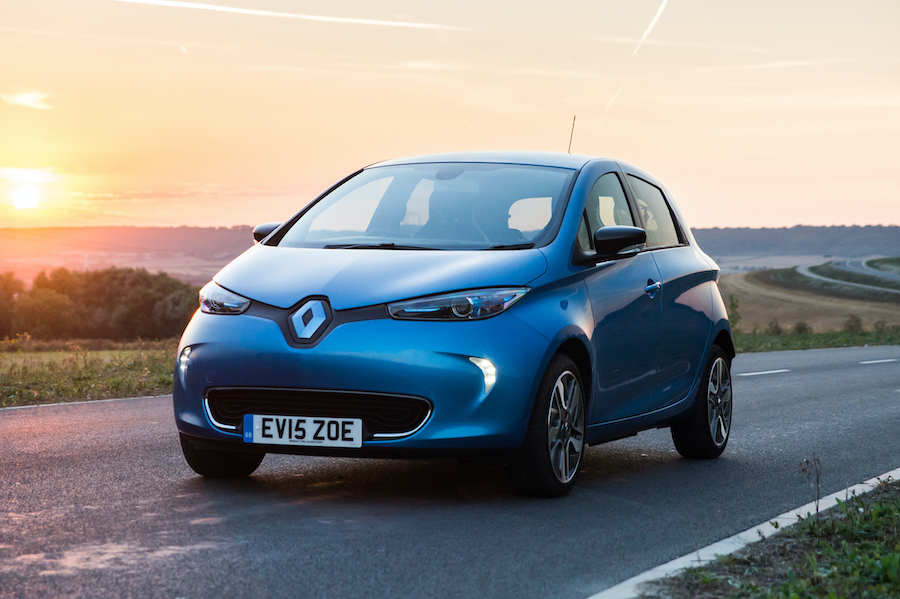
Renault Zoe Signature – Electric
Nissan Leaf Acenta – Electric
BMW i3 – Electric
In order to find out the number of electric car charging points per city, the site zap-map.com was used.