Survival Guide to the 6 Worst Breakdown Locations
Posted by James Ruppert | Jul 17, 2025 | Articles, Driving, News, Safety
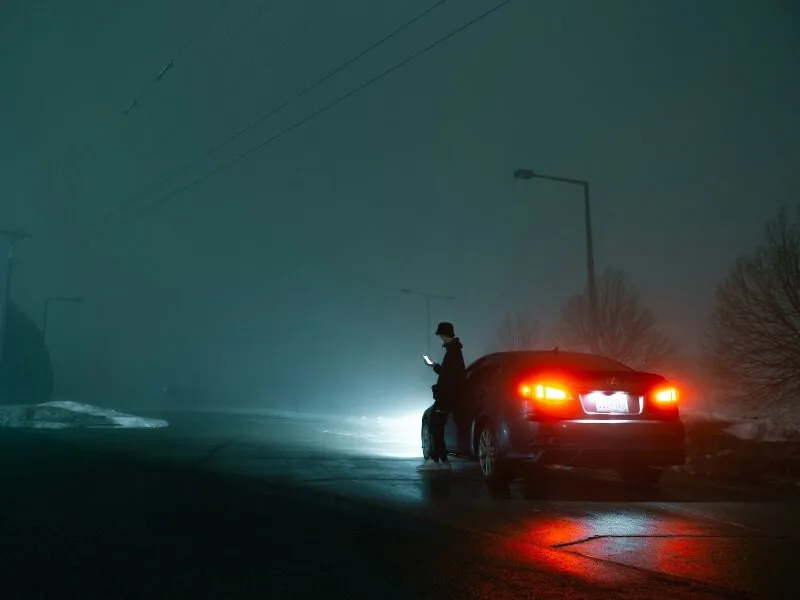
Car breakdowns are inconvenient on a good day, but some places take the stress, danger and awkwardness to a whole new level. Whether it’s rush hour on a freeway or midnight in the middle of nowhere, knowing what to do now can make all the difference.
Here’s your go-to survival guide for six of the worst places your car can break down — plus how to stay safe, remain sane and eventually get mobile.
1. Main Roads During Rush Hour
If your car dies during the hustle and bustle of rush hour on a busy main road, your stress is bound to be sky-high. The key to safety is preparation and communication.Call a tow service and get to a safe location off the road. Don’t try to tackle repairs or work on your vehicle on your own. This can be a dangerous situation, leaving you vulnerable to being struck by traffic passing you while you’re parked on the side.
On busy roads, accidents involving responders assisting someone with a breakdown often involve vehicles traveling at speeds over 55 mph, which are often fatal. It’s far better to have someone tow your vehicle with a flat to a safer spot or get a professional to remove it.
2. On the Freeway
Few things spike your adrenaline like hearing your engine splutter while surrounded by semitrucks doing 70 on a freeway. Breakdowns here are dangerous due to high speeds and limited shoulder space for stationary vehicles. The most important thing is to switch on your emergency flashers and move your car as far to the right as possible on the shoulder. Remain in the car with your seat belt fastened for safety.Use a roadside assistance app to connect with emergency services, call 911 or a local towing service to assist you in removing the vehicle as soon as possible. While an overheated engine may only need an hour or two to cool down, it’s unwise to do this on the freeway.
3. Down a Dark Country Road
A horror movie soundtrack may feel appropriate, but a breakdown on an unlit back road, miles from the nearest gas station, is creepy and dangerous. Cell service is spotty, and passing traffic is rare.Stay with your vehicle unless it’s truly unsafe. Lock the doors, turn on the emergency lights and turn off the headlights to conserve battery power. Share your GPS location if you have a cellphone signal.
Keeping an emergency kit in the car is a blessing — blankets, water, flares and glow sticks. You may be stuck in remote areas for hours.
4. Inside a Tunnel
Narrow spaces like tunnels are bad combos with a breakdown. It’s dark, ventilation is limited and it’s challenging to see approaching vehicles. If your car starts stalling in a longer tunnel, try to coast to an emergency bay or breakdown niche for a safer space to stop.Turn on hazard lights and pop your hood to indicate distress, unless the engine is on fire — sudden air intake causes the fire to expand. Keep a fire extinguisher in your car in case of an emergency.
5. Crossing a Bridge
Bridges are daunting — no room to pull aside with a steep drop below — and your imagination is in overdrive thanks to all those action movies. Remain in your vehicle until help arrives, and if you have to exit the car, do so on the opposite side of traffic. Resist the urge to look over the bridge side, as many of them sway or vibrate with traffic and can cause you to lose balance.6. Flooded Roadways
You’ve maintained your vehicle, but no preparation can stop an engine from stalling if you’re stuck in flood water during heavy rain or when a river “comes down.” Even a few inches of water can sweep a car away when a river exceeds its banks. The 2024 flood year caused 166 deaths, with most of these happening to drivers swept away by rising water.If your car stalls, try to coast to the side of the road, and if water starts entering your car, unbuckle immediately and get out if it’s safe.
Stay Calm, Stay Seen
No matter where you break down, the basics stay the same — stay calm and stay visible while you remain with your car. If it’s unsafe, find a secure position. Keep your emergency kit stocked, your phone charged and your wits about you.Breakdowns happen, but with some prep and mental fortitude, even an unfortunate scenario can become just another story to tell.
Author Bio : Oscar Collins is the editor-in-chief of Modded. He has over five years of experience writing in the auto space, having published with Automotive News, Carwash and InAutomotive. Follow him on X @TModded for frequent updates on his work.