How to buy a ’76 Plate Car with The Motor Ombudsman
Posted by James Ruppert | Aug 18, 2026 | Articles, Buying Cars, New Model, News

Well this is useful from The Motor Ombudsman, www.TheMotorOmbudsman.org
Perfect timing for the new registration on 1st September, as plates change for the second time this year, a motoring expert is offering top tips for those looking to get behind the wheel of a new car, to help consumers make an informed choice before signing on the dotted line.
Nail down a realistic budget
Before deciding which make and model to buy, you should work out what you can comfortably afford – not just at the outset, but also in the longer term. Car ownership brings costs, such as vehicle maintenance, insurance, fuel and charging, as well as road tax. These can all get more expensive over time, especially after any initial perks that come with the car expire, such as warranties and free servicing.
“It’s important to do the maths to ensure that your preferred make, model and fuel type is a viable proposition, not just now, but in the future as these can be subject to change due to factors such as inflation and global political events. This is especially relevant if you’re intending to hold on to the car for a good number of years”, says The Motor Ombudsman’s Bill Fennell.
Explore your payment options
As an alternative to buying outright, a finance package can help spread the cost of a new car. Hire Purchase (HP) usually involves a deposit followed by monthly payments, with ownership passing to you at the end of the term. Personal Contract Purchase (PCP) is similar, but typically includes an optional final payment if you wish to keep the vehicle instead of trading it in. Compare the total amount due over the contractual term to ensure you keep within budget.
Weigh up what matters most
To help choose the vehicle that will fit your day-to-day needs and lifestyle, write down a list of priorities for how you think you will be using the car, whether it’s for the commute, the school run, or longer journeys when going on holiday. This will help you decide on factors, such as boot space, the number of seats needed, towing capacity, and access to charging points, if you’re considering an electric vehicle, for instance.
Read first-hand reviews for added reassurance
Reading trusted reviews of different makes and models in the press or online can offer a useful indication of what a car is like to own and how it performs. It is equally important to look at feedback about retailers on reputable review platforms, and to buy from a trusted Motor Ombudsman-accredited franchise dealership or seller listed on its Business Finder.
Bill says: “While online searches and Artificial Intelligence (AI)-generated summaries can generate quick answers, it’s important to double check any details provided on websites are current, to avoid being at the mercy of out-of-date information when deciding what and where to buy.”
Explore delivery times
Around new registration plate periods, demand can be high, so you should confirm with the retailer what the expected lead times are, especially if the car is being manufactured according to your chosen specification. Also, ask for the expected delivery date to be confirmed at the point of ordering, so there is a clear record of what has been agreed should there be any build, shipping or handover delays.
Get everything in writing
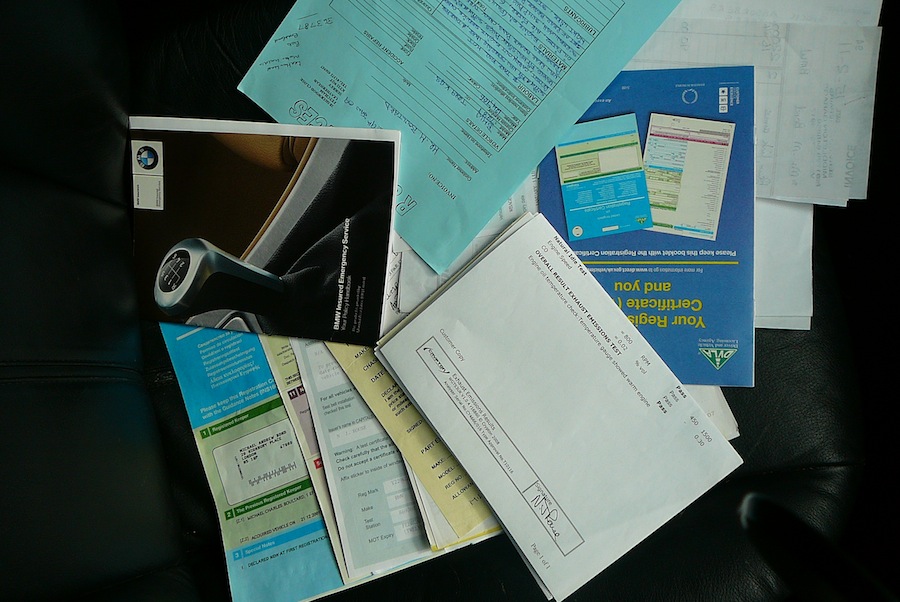
Having all correspondence and paperwork documented, including anything that is agreed between you and the retailer, is essential when it comes to buying a car, as it is very difficult to verify what was said during any face-to-face conversations, should there be any subsequent issues. In addition, checking that all written information is accurate, such as the vehicle specification and any added extras ordered, is paramount before handing over any payment or signing any contracts.
Part-exchanging can help fund a new car
Part-exchanging your existing car at a retailer can be an effective way of getting a deposit or a contribution together to put towards a new vehicle, and offers a trusted route with greater consumer rights, compared to selling privately. There are also handy guides online that can give an estimate of what your car might be worth based on its age, condition and mileage, so it is useful to read up to get an indication on this before settling on a trade-in value.
Look at warranty cover and extras
When buying a new car, different types of warranties can be included by manufacturers, covering areas such as paintwork, batteries and issues originating from how the vehicle was made. A standard manufacturer’s warranty is typically three years, but can be as much as eight for some brands, so read up on what is included and how long they last for.
Furthermore, explore whether servicing plans, breakdown cover, home charging packages, software updates, apps and subscriptions to ‘unlock’ any additional vehicle functions, come as part of the list price or are available at an extra expense, as this all impacts the longer-term cost of ownership.
Ask about aftercare
Before taking delivery, ask what aftercare support will be available once you have taken the keys. This includes who your main point of contact will be if you have any queries, how any routine or ad hoc maintenance work should be booked, whether courtesy cars are offered at the time of service for instance, and what help is available when it comes to navigating things like software updates and apps.
Try before you buy
Taking a test drive of a showroom demonstrator across a mix of different roads, gives you the chance to assess comfort, visibility, driving position, space, and in-car systems before placing an order. It is also a valuable opportunity to ask the accompanying salesperson any questions about the car’s features, specification and day-to-day practicality.
Explain any concerns to the retailer
Should something not be to your full satisfaction during the purchase process or when you take ownership, it is always best to communicate any issues directly with the retailer as the first port of call, giving them the opportunity to put things right.
If the issue remains unresolved, you may then be able to escalate the complaint to a free-of-charge Alternative Dispute Resolution (ADR) provider, such as The Motor Ombudsman – a neutral third party that helps bring the dispute to a close in a fair and impartial setting.
Summing up the approach that motorists should take when buying a new car, Bill concludes: “The arrival of a new registration plate can be an exciting time for buyers. As this is often a significant financial commitment for many, it is vital that any purchase decision is not rushed, and is guided by thorough research. Consumers taking the time to compare vehicles, running costs, and using a reputable retailer, are all key considerations when choosing a car that is well suited to their budget, needs and lifestyle.
For more information on The Motor Ombudsman, visit www.TheMotorOmbudsman.org .
Motor Ombudsman resources
The Motor Ombudsman provides a comprehensive library of impartial and reliable motoring resources for consumers embarking on the car buying and ownership journey.