Nissan Qashqai is UK's most Clocked Car says CarVertical
Posted by James Ruppert | Aug 18, 2026 | Articles, Bangernomics, Bangers and Classics, Buying Cars
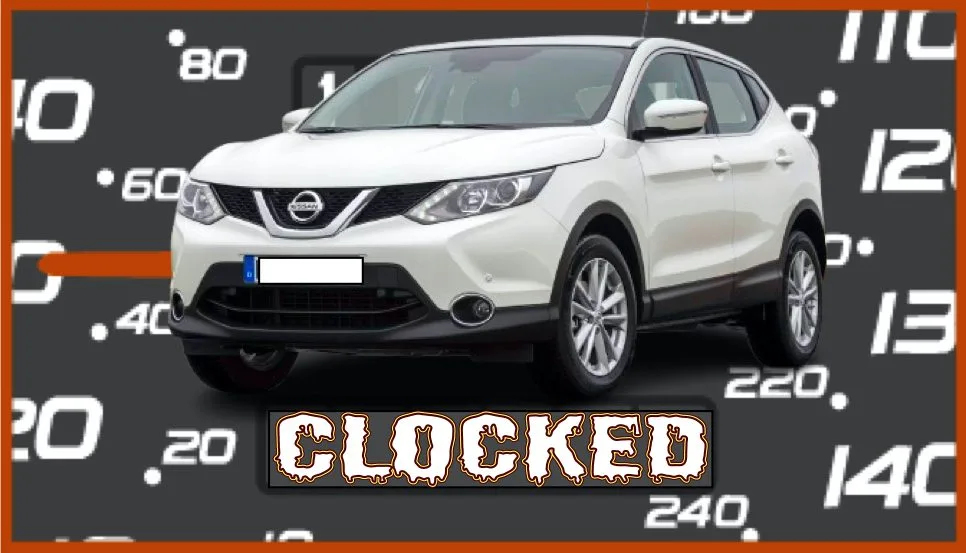
The Nissan Qashqai has retained its unwanted title as Britain’s most clocked car, with more than one in ten checked showing signs that their mileage had been wound back during the first half of 2026.
New figures from vehicle history platform carVertical show that 10.79% of Nissan Qashqais checked between January and June 2026 had evidence of mileage manipulation, putting the hugely popular family SUV comfortably at the top of the ranking.
The findings reinforce carVertical’s research covering the whole of 2025, when the Qashqai was also Britain’s most commonly clocked car. Then, 9.7% of Qashqais checked showed signs of mileage being wound back, meaning the proportion recorded in the first half of this year is even higher.
The Skoda Octavia was the second most frequently clocked car during the first six months of 2026, with 8.24% of vehicles checked affected, followed closely by the Audi Q5 on 8.11%.
Audi features particularly prominently in this year’s ranking. Six of the Top 20 models are made by the German manufacturer, with the Audi A6 fourth on 7.36%, the Q7 sixth on 6.22%, the A5 seventh on 5.89%, the A3 eighth on 5.46%, and the A4 fifteenth on 4.60%.
But the vehicles most frequently clocked were not necessarily those having the largest number of miles removed.
The Land Rover Defender ranked fifth for the proportion of clocked vehicles, with 6.98% affected, but recorded the largest average rollback at 51,237 miles, while the BMW 5 Series averaged 38,388 miles and the Volkswagen Passat 31,745 miles.
The following table shows the Top 20 car makes and models with the highest percentage of clocked cars checked by carVertical during the first half of 2026: Rank Car make/model Percentage of cars clocked (%) Average number of clocked miles 1 Nissan Qashqai 10.8 12,250 2 Skoda Octavia 8.2 17,869 3 Audi Q5 8.1 18,452 4 Audi A6 7.4 21,511 5 Land Rover Defender 7.0 51,237 6 Audi Q7 6.2 19,412 7 Audi A5 5.9 22,482 8 Audi A3 5.5 17,995 9 Land Rover Range Rover 5.2 26,006 10 Vauxhall Astra 5.1 26,150 11 Land Rover Discovery 5.0 23,888 12 Volvo XC90 5.0 18,382 13 Volkswagen Golf 4.7 22,185 14 Audi A4 4.6 21,266 15 Audi TT 4.3 15,650 16 Volkswagen Passat 4.3 31,745 17 Vauxhall Corsa 4.3 19,294 18 BMW 3 Series 3.9 14,955 19 BMW 5 Series 3.8 38,388 20 Renault Clio 3.7 26,492 Several models appearing in the new ranking were also among Britain’s most clocked cars in carVertical’s 2025 study, including the Nissan Qashqai, Audi A6, Land Rover Defender, Range Rover and Discovery, Volvo XC90, Vauxhall Astra and Corsa. The repeated appearance of the same models suggests mileage fraud remains a persistent risk in parts of the used-car market rather than simply affecting a changing selection of vehicles.
The Qashqai is particularly noteworthy because of its popularity. As one of Britain’s best-known family SUVs, large numbers change hands on the used market every year, meaning buyers may be more likely to encounter one and potentially assume that a mainstream family car carries less risk than a premium or performance model.
Matas Buzelis, motoring expert at vehicle history platform carVertical, comments:
“The Nissan Qashqai topping the ranking again is significant because it suggests this isn’t simply a one-off result. It was the most frequently clocked model in our 2025 research, and it has remained at the top during the first half of 2026.
“Qashqais are hugely popular in Britain and there is a constant supply of them on the used market. That can make mileage particularly important because two otherwise similar cars can command very different prices depending on what is showing on the odometer.
“What is perhaps even more striking in the latest figures is how heavily Audi features. Six different Audi models appear in the Top 20, including the Q5 in third place and the A6 in fourth. Buyers shouldn’t assume that mileage manipulation is restricted either to cheap cars or to one particular type of vehicle.
“The scale of some of the individual mileage reductions is also concerning. An average rollback of more than 50,000 miles can fundamentally change the picture a buyer is being presented with. A vehicle that appears to have relatively modest mileage may in reality have experienced years of additional wear.
“That matters not just for what somebody should pay for a car but for maintenance too. Components, servicing intervals and general wear are all connected to how far a vehicle has genuinely travelled.
“Buyers should look for consistency across a vehicle’s history rather than simply trusting the number showing on the dashboard. Previous mileage records, MOT history, service documentation and a vehicle history check for each car they’re considering buying can all help highlight readings that don’t add up.”
Matas Buzelis of carVertical, offers tips on how to spot a clocked car and what to do if you’ve bought a clocked car.
1) How to spot a clocked car
“One of the quickest ways you can spot if a car has been clocked is if the condition of the car doesn’t match with the mileage. This would indicate that the car has seen a lot more activity than the mileage would have you believe. Look out for excessive wear on the pedals, steering wheel, and condition of the seats and seatbelts.
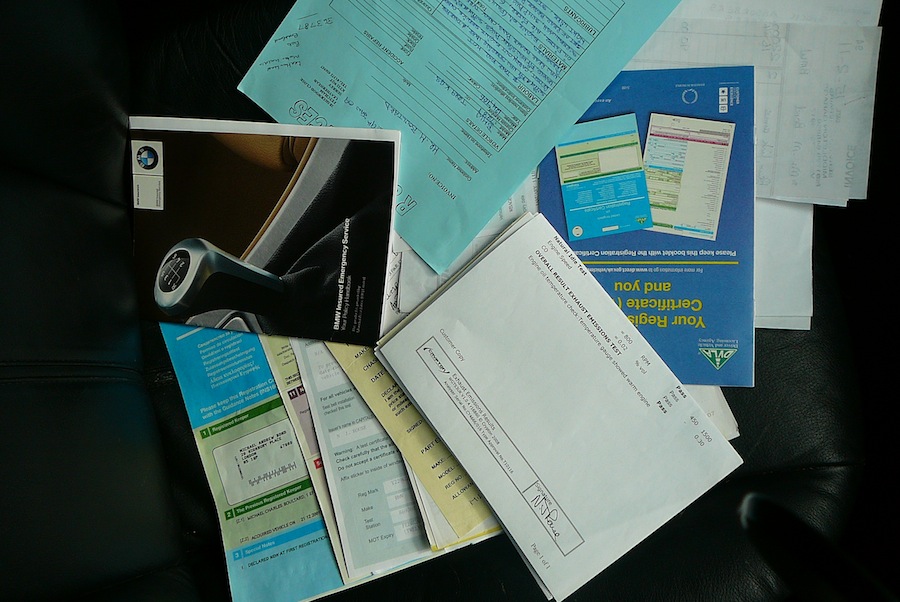
“Paperwork is also key. Gaps or inconsistencies in MOT records, service history or invoices should raise questions. If the mileage jumps backwards or doesn’t increase steadily over time, that’s a major red flag.
“Buyers should also be cautious of unusually low mileage for a car’s age, especially if the price seems too good to be true. While low-mileage cars do exist, particularly if the car has just had one owner in its lifetime, they’re often targeted by fraudsters because they command higher prices.
“Mileage is registered in multiple components of the car. There could be as many as 100 different parts that log odometer readings in some vehicles. This is why it is crucial to check not only your car history, but also to do it in authorised services. Even cars with clean reports deserve a second look, so buyers shouldn’t make decisions based on emotions.”
2) What you can do if you’ve bought a clocked car
“If you discover that you’ve bought a car that has been clocked, the first thing you should do is gather evidence so that you can properly challenge the seller. Keep copies of the advert, the invoice and any vehicle history reports that highlight the discrepancy you have noticed.
“Consumers are a lot better protected if they have bought the car from a registered dealer, as there are strong legal protections in place. When a clocked vehicle is sold, it is being described wrongly by the seller and the buyer is therefore entitled to a refund or replacement under consumer law. If a replacement vehicle isn’t possible, the dealer may offer to make all of the necessary repairs to get the vehicle up to a better standard for its age.
“Private purchases are more difficult, particularly if you didn’t ask for an invoice, or the vehicle was paid for with cash. However, if the seller sold the car knowing that it had been clocked, that constitutes fraud and you can try going through Trading Standards or seeking legal advice to find a resolution.
“Most importantly, do not blame yourself for the incident. Odometer fraud is becoming increasingly more sophisticated and is designed to trick you into thinking you are getting a good deal. Therefore, it’s crucial to check every car you are considering and to leave nothing to chance.”