RLAARLO RC Car ‘AK962’ Speed Run
Posted by Kiran Parmar | Nov 23, 2026 | Radio Controlled, Model Cars, Racing
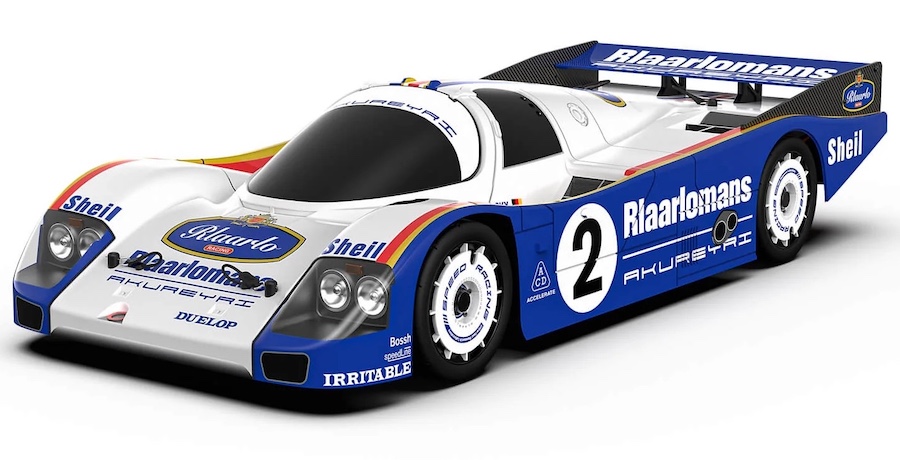
If you are a regular reader of Free Car Mag, you know we love model cars, especially radio-control cars. After all, your very first ownership of a ‘self-moving’ car (something you didn’t have to push with your hands) probably started with an RC car. It was something special, more than a gift from your parents; it was a responsibility to look after it, something you could modify, improve, and customise to make it truly yours and unique. However, RC cars don’t get forgotten after you grow up, they turn into an engineering passion in adulthood.
That is exactly what Rlaarlo, an RC car company from Shenzhen, China, have been doing. With the aim of reaching a staggering 249 mph out of a 1/6 scale RC car. Just as a Formula one team constantly refines and tweaks their cars from pre-season testing all the way to the final race of the season, the engineers at Rlaarlo have been doing the same to achieve their goal. Here is their story…
Chasing 249 mph: The Three-Year Odyssey Behind the RLAARLO AK962
When RLAARLO pushed its 1/10-scale AK917 speed run car to 305 km/h (190 mph), the engineering constraints of the smaller platform became clear. Advancing further required extreme motor RPMs, high tyre rotational speeds, and battery configurations so heavy that the car depleted the straightaway just reaching terminal velocity. In November 2023, RLAARLO CEO Edison Rao gathered ten remote-control speed run specialists and company engineers to form the EDISON development group. Following three months of deliberation, the team committed to a clean-sheet 1/6-scale chassis with an ambitious research benchmark of 249 mph.
Stepping up in scale altered the core physical constraints. A larger tyre travels farther per revolution, rotating noticeably slower at identical road speeds. The expanded footprint also provided essential space to reposition motors and battery packs while carving dedicated airflow pathways to cool internal electronics. Development formally launched in February 2024, initiating a disciplined four-generation prototype evolution.
Taming Underbody Airflow and Structural Deflection: A0 and A1
Initial work focused on motor configurations and weight distribution before prototype A0 hit testing rollers in May 2024. Early testing highlighted structural dilemmas: thin aluminium pieces suffered metal fatigue, while all-carbon parts were too brittle for high-shock loads. Engineers adopted hybrid construction, combining carbon-reinforced suspension arms with machined aluminium structural mountings.
When A0 exceeded 124 mph on a closed straight that summer, the nose pitched upward and wandered off line. Adding rear downforce only aggravated front lift, while nose ballast delayed acceleration and bottomed out the suspension.
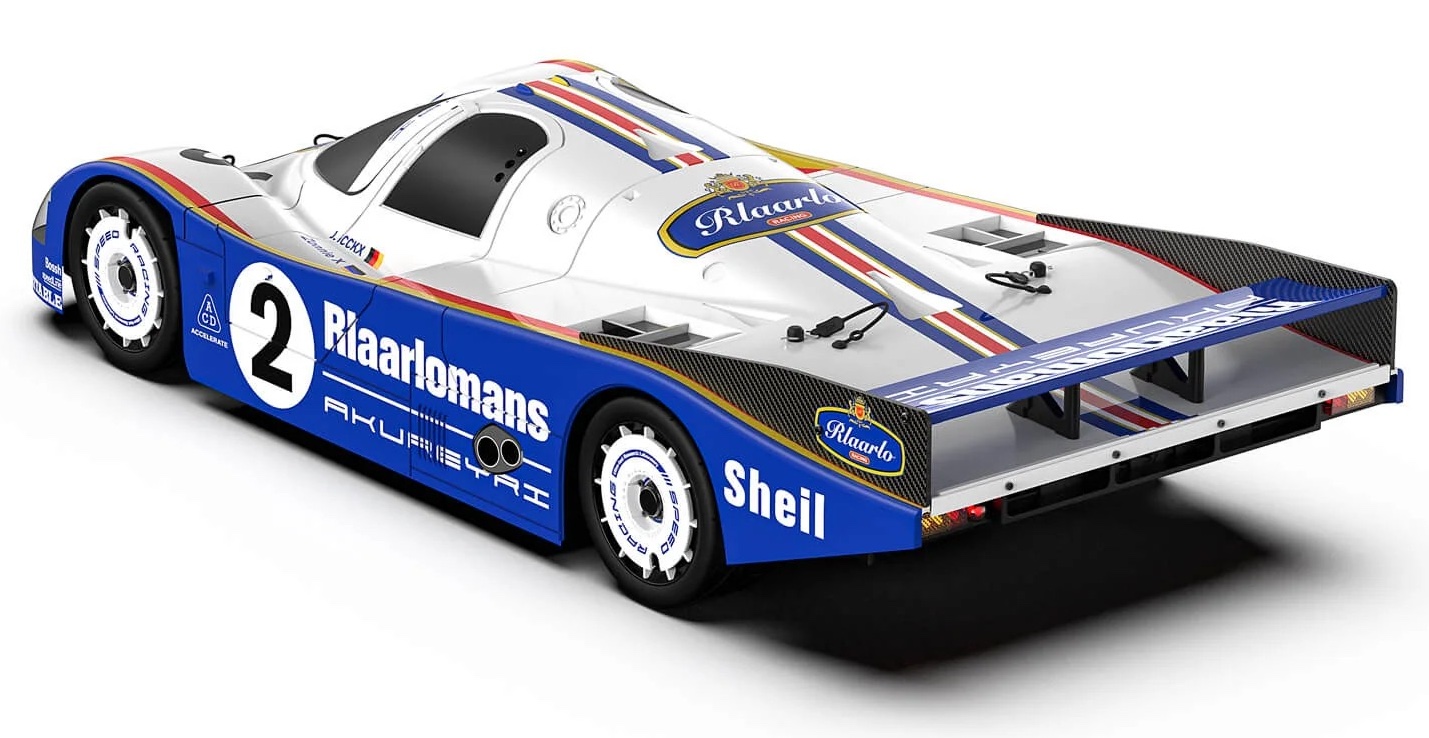
Between September 2024 and January 2025, prototype A1 solved these aerodynamic dilemmas. Guided by wind tunnel analysis and simulation, engineers flattened the chassis underbody, added a front splitter, installed ribbed side skirts, and reprofiled the rear diffuser. An electrically adjustable rear wing allowed dynamic trim adjustments, verified via smoke-trace testing on straightaway passes. Concurrently, engineers addressed chassis flex by adding cross and longitudinal bracing, lowering the driveshafts, and testing internal tyre support rings on high-speed spin rigs to eliminate high-RPM centrifugal growth.
INSERT REEL: https://www.instagram.com/rlaarlo/reel/DgCwaRhkS40/
Refining High-Torque Mechanics and Thermal Endurance: A2 to Production
By February 2025, prototype A2 targeted drivetrain durability. Heavy launches had sheared teeth from standard Mod 1.0 motor pinions, prompting a switch to a coarser Mod 1.5 gear seated in metal-bearing housings to withstand thermal expansion. Driveline vibration was eliminated using a balanced 440C stainless steel driveshaft core encased in carbon fibre, alongside metal steering assemblies that cured slop. A radio-switchable aluminium anti-roll bar linkage was introduced to let drivers toggle between high-speed tracking and responsive cornering.
Bench testing also revealed significant thermal power loss during back-to-back passes. After redesigning cooling ducts and gear ratios, the team validated output retention across three consecutive sprints. In late 2025, prototype A3 took this platform into high-speed validation, integrating field telemetry from community drivers across diverse road surfaces into a standardized setup guide before passing final consistency tests in September 2026.
The AK962 officially releases on 25th November 2026, available as a Roller chassis ($549.99), a single-motor RTR ($749.99), and a dual-motor RTR PRO ($999.99).
You can read more about this extraordinary RC car here and purchase your model here.