Essential 4x4 and Ute Storage Upgrades for Work and Weekend Adventures
Posted by James Ruppert | Nov 20, 2026 | 4 x 4, Toyota, Ute
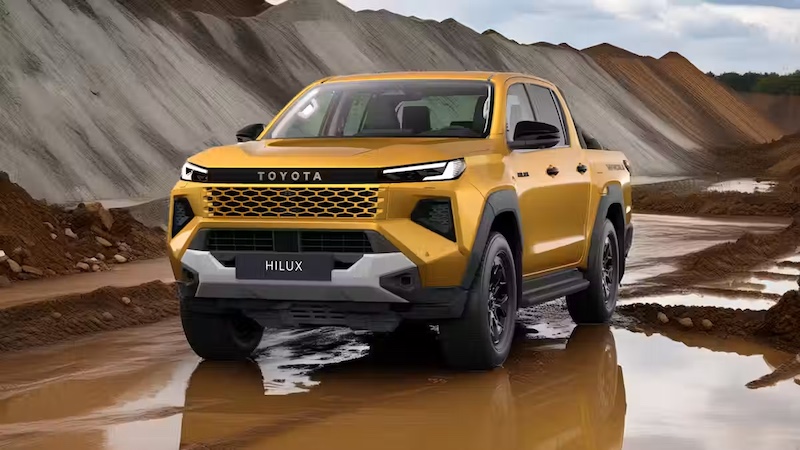
Australia’s love affair with the dual-cab ute shows no signs of slowing down. According to recent VFACTS data released by the Federal Chamber of Automotive Industries, models like the Ford Ranger and Toyota HiLux continue to dominate the top-selling vehicle charts month after month. These vehicles are incredibly popular because they serve a dual purpose perfectly. They act as rugged workhorses on job sites from Monday to Friday and transform into highly capable adventure rigs for family camping trips on the weekend. However, turning a factory standard ute into a fully organised, dual-purpose machine requires careful planning. This is particularly true regarding storage space, vehicle balance, and overall weight management.
Navigating Payload Limits and Weight Distribution
Modern dual-cab utes typically feature a factory payload capacity ranging between 900kg and 1,050kg. While this sounds generous on paper, adding a steel bullbar, a heavy winch, two adult passengers, and a full tank of diesel can easily consume nearly 600kg before you even load a single piece of camping gear or construction equipment. With stricter roadside weight checks rolling out across Australia in 2026, Gross Vehicle Mass compliance has become a critical priority for all drivers. Exceeding these legal limits can lead to hefty fines, voided insurance policies, and severely compromised vehicle safety in emergency situations.
This industry-wide shift toward strict weight compliance has naturally pushed drivers away from traditional, heavy steel accessories. The Australian Aluminium Council notes that aluminium is approximately one-third the density of steel, translating to massive weight savings for off-roaders and tradespeople alike. When outfitting a ute, opting for premium aluminum tool boxes can weigh around 30 percent less than an equivalent steel setup. This simple material swap can free up 80 to 150 kilograms of highly valuable payload, allowing you to carry more essential equipment without stressing your suspension. Furthermore, the introduction of the New Vehicle Efficiency Standard in early 2025 has inadvertently driven demand for these lightweight options to help preserve overall vehicle fuel economy.
Selecting the Right Accessories for the Trail
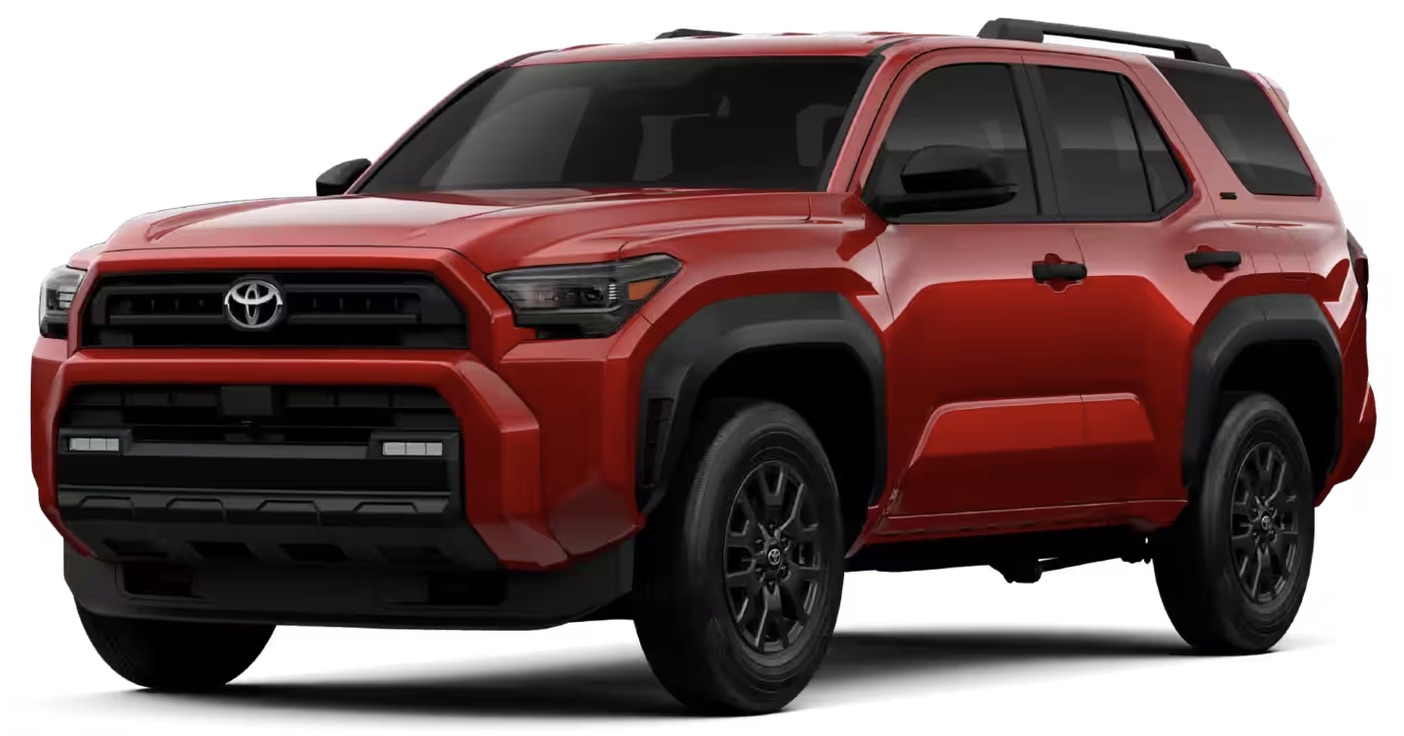
Customising your vehicle’s exterior is a natural next step after laying down foundational suspension and engine upgrades. Just like investing in smart Toyota 4Runner upgrades for trail use, equipping your ute with high-quality storage accessories ensures your gear stays protected no matter the terrain. To address ongoing payload limitations, manufacturers are even offering factory-backed solutions designed specifically for heavy loads. For instance, the 2026 Ford Ranger Super Duty was engineered over five years to offer a massive 4,500kg towing limit and upgraded payload right off the showroom floor, built to support heavy towing and fully loaded storage setups.
When selecting and installing new storage accessories on your 4x4 or ute, there are several key features to consider to ensure longevity and performance:
● Material Grade: Premium aftermarket storage setups increasingly use 5052-H32 marine-grade material. This features a high magnesium content that naturally forms a protective oxide layer against saltwater and coastal humidity.
● Corrosion Prevention: Industry experts strongly emphasise the need for suitable isolation materials during installation. Placing rubber mats or specific sealants between different metals prevents galvanic corrosion when mounting directly against steel tray surfaces.
● Weather Sealing: Outback dust and river crossings can easily ruin expensive power tools and camping gear. Look for heavy-duty rubber pinch-weld seals and adjustable compression latches to keep the elements out completely.
● Internal Organisation: Sliding drawers, adjustable shelving, and heavy-duty tiedown points keep smaller items from rattling around during aggressive off-road driving.
Safety Standards and Proper Load Restraint
Upgrading your storage capacity is only half the battle. How you pack and secure your equipment within those new compartments is equally important for both vehicle performance and public safety. Heavy items, such as recovery gear, water tanks, and portable batteries, should always be stored as low as possible. They must be positioned ahead of the rear axle to maintain a safe and balanced centre of gravity. A poorly distributed load can drastically alter your steering dynamics, increase fuel consumption, and lengthen your braking distances, especially on wet or unsealed roads.
Beyond vehicle handling, properly securing your equipment is a strict legal requirement across the country. It is crucial to follow the National Transport Commission load restraint guidelines, which explicitly state that it is illegal across Australia to drive a vehicle carrying a load without a restraint system that meets relevant performance standards. Every tool, portable fridge, or set of recovery boards must be locked down securely. This ensures loose items do not become dangerous projectiles during sudden braking or an unexpected collision on the highway.
Transforming your standard 4x4 or ute into the ultimate work and weekend vehicle is a highly rewarding project for any automotive enthusiast. By prioritising lightweight storage materials, focusing on durable weather-resistant construction, and adhering to strict national loading regulations, you can confidently build a rig that is practical, efficient, and completely ready for whatever the rugged Australian landscape throws your way.