5 Questions to Ask Yourself During a Full Car Restoration
Posted by James Ruppert | Sep 14, 2026 | Articles, Car Culture, Classic Cars
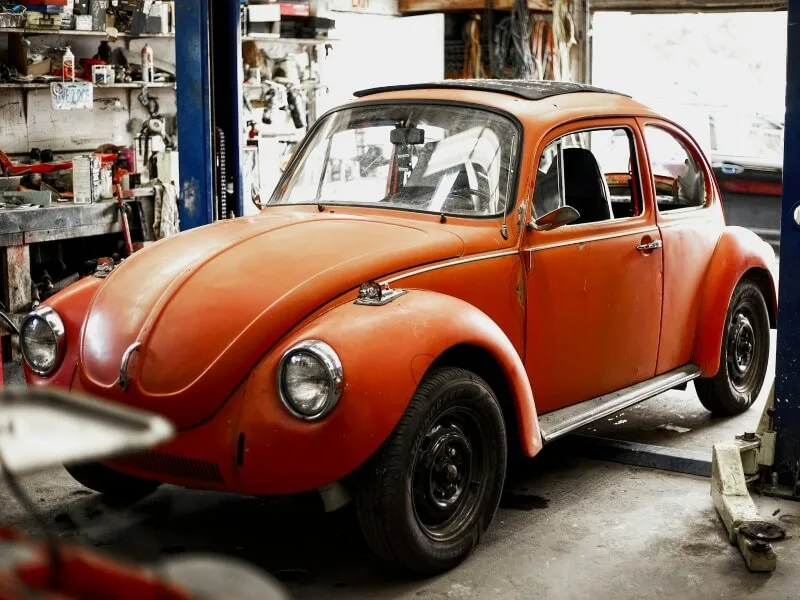
Restoring a classic car is one of the most rewarding projects you can tackle, but it can also drain your wallet and test your patience if you dive in unprepared.
The difference between a dream build and a rusted money pit often comes down to asking the right questions before you buy that ’67 Chevelle or commit to bringing your grandfather’s Ford back to life.
Here are five foundational questions that will help you set realistic expectations and avoid getting in over your head.
1. What Is Your Ultimate Goal for the Build?
Before you touch a wrench, you need to define what you want the end product to be.
The three main restoration paths are:
-
Driver-quality: These builds prioritize mechanical reliability and a clean appearance over perfection. You’ll address rust and mechanical issues but accept minor cosmetic flaws that won’t be visible from 10 feet away.
-
Restomod: This approach blends vintage looks with modern performance and comfort. Think fuel injection instead of carburetors, upgraded suspension and brakes that actually stop the car when you need them to.
-
Factory-original concours: These show-quality builds aim for museum-level authenticity. Every fastener, hose clamp and paint code must match what rolled off the assembly line.
Younger enthusiasts are driving a shift toward restomods. According to industry data, 38% of owners under 45 opt for this, compared to just 22% of older owners. That generational divide may reflect different priorities around usability versus originality.
2. What Is Your Realistic Budget?
Now comes the financial reality check. Restoration costs vary wildly based on your build goals and how much work you can handle yourself.
Ballpark costs for each build type are:
-
Driver-quality restoration: Plan for between $30,000 and $80,000 in labor and parts. This assumes you’re doing some of the work yourself and accepting quality reproduction parts rather than NOS components.
-
Restomod builds: Budget $50,000 to $150,000, depending on the extent of your upgrades.
-
Show-quality concours restorations: Expect $80,000 to $200,000 or more. Frame-off builds with correct date-coded parts and professional paint can easily exceed six figures.
Are Aftermarket Body Shells a Legitimate Option?
Mass-produced classic car body shells from China represent a growing but controversial trend in the restoration world. They offer a cost-effective solution when your original body is too far gone, but many purists argue these shells strip away the car’s soul. You’ll need to decide where you stand on authenticity versus practicality.
3. Can You Easily Source Replacement Parts?
Parts availability can make or break your restoration timeline. First-gen Mustangs and Camaros have massive aftermarket support with entire catalogs dedicated to reproduction parts. Meanwhile, if you’re restoring a 1974 AMC Matador, you’ll spend weekends hunting through swap meets and praying someone parted out the exact model you need.
Research parts availability before buying your project car. Your overarching build goal heavily dictates your strategy, and two examples can illustrate this clearly.
Are Slip-On Rocker Panels Good Enough for a Full Restoration?
If you’re committed to a true full restoration, rocker panels are one area where durability and structural integrity matter. Slip-on panels can be a practical option for minor damage or a faster cosmetic fix when installed correctly, but they are not usually the best choice for a full restoration. Because they fit over the existing rocker panel instead of fully replacing it, they may not provide the same long-term durability, structural support or clean factory-style finish as welded full rocker panels. For a restoration where strength, appearance and longevity are the priority, welded rocker panels are typically the better option.
“A properly welded full rocker panel provides a flush finish that restores your vehicle’s structural integrity. Choosing to weld the panels will give you a factory-level repair and restore your vehicle’s unibody strength,” explains Raybuck Auto Body Parts. “[It’s] the best solution for the most durable repair with a better aesthetic appeal.”
That structural integrity matters whether you’re building a show car or a driver. Compromising on rockers means compromising on safety and longevity.
Are Reproduction Body Panels Good Enough for a Full Restoration?
This is where the answer, and your parts strategy, can shift. Quality reproduction fenders, hoods and quarter panels are absolutely good enough for most full restorations. Modern reproduction panels may fit better than NOS parts that have been sitting in a warehouse for 40 years.
Unless you’re building a numbers-matching concours trailer queen that will be judged at Pebble Beach, reproduction body panels from reputable manufacturers will serve you well and save you thousands compared to hunting down original sheet metal.
4. Do You Have the Necessary DIY Skills and Workspace?
First, assess your mechanical ability. Can you handle bodywork, welding and engine rebuilding, or will you need to farm out specialized tasks? Second, evaluate your physical space. Do you have room for a rotisserie, welding equipment and parts storage, or are you working in a single-car garage with street parking for your daily driver?
The good news is you’re in solid company. Research shows that 80% of classic car owners are comfortable doing at least some of the work themselves. Either way, understanding your limits helps you budget accurately.
5. What Is Your Realistic Timeline?
Restorations take longer than you think. A full frame-off restoration typically takes years, not months, especially if you mostly have to work on it in the evenings and on weekends. Between parts delays, hidden rust and fitting the work around your life, progress can feel glacial.
Break your timeline down into smaller milestones to stay motivated. Maybe you focus on getting the engine running first, then tackle the interior while you save up for paint. Celebrating those incremental victories keeps you engaged when the finish line still feels far away.
Frequently Asked Questions
Here are answers to common questions about planning a classic car restoration.
Q: What’s the difference between a restomod and a factory-original concours build?
A: A restomod blends vintage looks with modern performance upgrades like fuel injection, upgraded suspension and brakes that improve usability. A factory-original concours build aims for museum-level authenticity, with every component matching what originally rolled off the assembly line.
Q: How long does a full frame-off restoration typically take?
A: Most frame-off restorations take a few years if you’re doing it as a hobby. Progress often feels slow when you have to fit it around your other commitments. Breaking the project into smaller chunks helps you feel like you’re getting somewhere.
Q: Do you need a professional shop to complete a restoration?
A: You don’t necessarily need a professional shop, but you do need adequate space for your build type. Consider whether you have room for essential equipment like a rotisserie, welding gear and parts storage. You can tackle what fits your skill level and farm out specialized tasks like painting or major fabrication to professionals.
Hitting the Road in Your Restored Classic
Despite the long hours, busted knuckles and budget surprises, that first drive in your finished build makes the entire journey worthwhile. There’s something irreplaceable about turning the key on a car you brought back from the dead with your own hands. Plan carefully, set realistic expectations and stay committed to your vision. Then, get out there and start wrenching.