Why Ignoring Small Engine Problems Can Lead to Bigger Repair Bills
Posted by James Ruppert | Sep 14, 2026 | Articles, Car Care, Engineering, Environment, Motoring Costs, Servicing
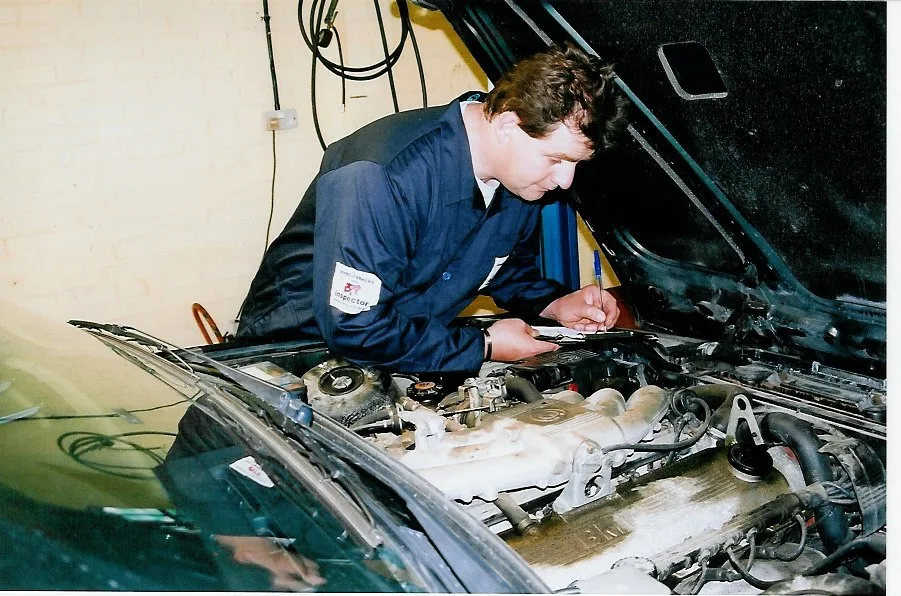
A faint ticking sound, unusual vibration, or slight drop in engine performance can be easy to dismiss when equipment still appears to be working normally. Whether the engine powers a Freightliner truck, marine equipment, or farming machinery, ignoring these early warning signs can allow a minor fault to develop into a serious and expensive problem.
Small issues can worsen through continued use, leading to component damage, unexpected breakdowns, and costly downtime. For businesses that rely on heavy-duty equipment, the consequences can extend beyond the repair bill. Recognizing early warning signs and arranging timely inspections can help equipment owners address engine problems before they become major repairs.
Why That First Warning Sign Actually Matters
Early engine symptoms should never be dismissed simply because the equipment is still running. A new noise, warning light, change in exhaust, or loss of power may indicate that an important component is no longer working correctly.
The meaning of a warning sign can vary depending on the type of engine and equipment involved. However, alerts relating to oil pressure, overheating, or engine performance generally deserve prompt attention. Continuing to operate equipment when these problems are present can increase the risk of serious internal damage.
Not every warning light requires an immediate shutdown, but operators should understand what each warning means and follow the equipment manufacturer’s guidance. When the cause is unclear, arranging a professional inspection is usually safer than relying on guesswork.
How a Small Issue Quietly Becomes a Big One
Several common problems can become more serious when they are ignored:
-
A small oil leak: Continued oil loss can reduce lubrication and increase wear on moving parts, potentially damaging components that are much more expensive to replace than the original seal or gasket.
-
An unusual engine noise: Ticking, knocking, or grinding may indicate developing wear or a mechanical fault that becomes worse as the engine continues operating.
-
A cooling system problem: Low coolant, a damaged hose, or a faulty cooling component can cause overheating and may lead to serious damage to the cylinder head, head gasket, or engine block.
-
Loss of power: Reduced performance, especially when equipment is working under load, may point to problems involving fuel delivery, air intake, turbocharging, or ignition and injection systems.
-
Excessive exhaust smoke: A noticeable change in smoke color or volume can indicate issues involving fuel combustion, oil consumption, or internal engine wear.
These problems may begin with a relatively simple cause. However, continued operation can place additional stress on other components and turn a manageable repair into a much larger job.
Why the Cost Gap Between Early and Late Intervention Is So Significant
A minor fault is often easier and less expensive to address when it is identified early. A worn seal, damaged hose, blocked filter, or faulty sensor may be replaceable without disturbing the rest of the engine.
If the problem is ignored, however, the original fault may affect surrounding components. A cooling issue can lead to overheating, while poor lubrication can accelerate wear throughout the engine. In heavy-duty equipment, continued operation under demanding conditions can make the damage develop even faster.
This is where working with genuine engine repair specialists can make a meaningful difference. A proper diagnostic assessment can help identify problems in diesel engines used in Freightliner trucks, marine equipment, and farming machinery before they lead to serious damage or costly downtime. Early diagnosis allows operators to address the underlying fault rather than waiting until a relatively small issue develops into a major engine overhaul.
Signs Genuinely Worth Acting On Promptly
Equipment operators and fleet managers should pay attention to symptoms such as:
-
New or worsening ticking, knocking, grinding, or rattling sounds
-
Unusual vibration during operation
-
Warning lights related to oil pressure, engine performance, or cooling
-
Loss of power, particularly when the engine is under load
-
Excessive or unusual exhaust smoke
-
Rising oil or coolant consumption
-
Visible fluid leaks around the engine
-
Overheating during normal or demanding operation
-
Difficulty starting or irregular engine performance
-
Unusual changes in fuel consumption
One symptom may not always indicate a major failure. However, a combination of warning signs should be treated seriously. Continuing to operate equipment without identifying the cause may increase both repair costs and the risk of unexpected downtime.
Why Regular Maintenance Genuinely Pays for Itself
Regular maintenance is one of the simplest ways to prevent small engine problems from becoming expensive repairs. The California Air Resources Board explains that poor diesel engine maintenance can contribute to engine malfunctions, breakdowns, and costly repairs.
Oil and coolant levels should be checked regularly, while filters, belts, hoses, and other components should be inspected according to the manufacturer’s service recommendations. For engines used in Freightliner trucks, marine equipment, and farming machinery, maintenance should also reflect the workload and operating conditions.
Monitoring changes in fuel consumption, exhaust smoke, engine temperature, and performance can help operators identify developing problems early. Keeping accurate service records also makes it easier to track recurring issues and plan repairs before a breakdown occurs.
What This Means for Long-Term Operating Costs
The cost of an engine problem is not limited to the parts and labor required for the repair. A breakdown can also interrupt deliveries, delay agricultural work, affect marine operations, and leave valuable equipment out of service.
Addressing small problems early can help make repair costs more predictable and reduce the likelihood of sudden operational disruption. It also gives equipment owners more time to plan maintenance, arrange replacement parts, and schedule repairs around their work. For businesses that depend on heavy-duty machinery, preventing downtime can be just as important as reducing the repair bill itself.
Conclusion
Ignoring small engine problems rarely makes them disappear. Unusual noises, warning lights, fluid leaks, smoke, and performance changes may indicate a developing fault that could become more serious through continued use.
Regular maintenance, prompt inspections, and professional diagnosis can help equipment owners protect their engines and avoid unnecessary damage. For Freightliner trucks, marine equipment, farming machinery, and other heavy-duty applications, dealing with problems early can reduce repair costs, limit downtime, and support more reliable long-term operation.