How Better Route Planning Can Reduce Fuel Costs
Posted by James Ruppert | Nov 12, 2026 | Sat Nav, Journey Planner, Economy, Fuel Costs
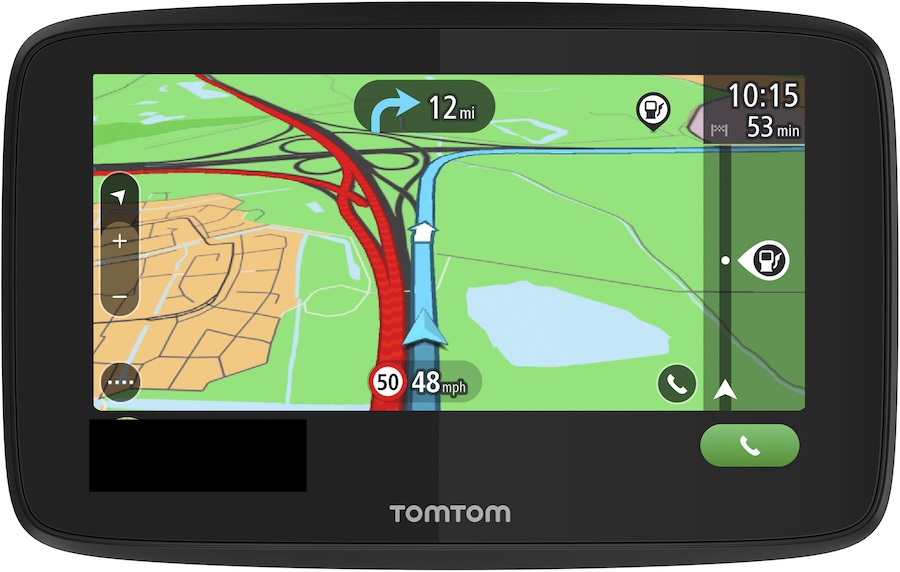
Fuel costs depend on more than vehicle efficiency. Where you drive, when you travel, how often you stop, and whether you have to backtrack all affect how efficiently a journey is completed.
For drivers making several stops in one day, better route planning can reduce unnecessary mileage, delays, and idle time. Over weeks or months, those improvements can make regular journeys more economical and predictable.
Reduce Unnecessary Miles First
The simplest place to start is the route itself. Multi-stop journeys often include unnecessary distance because destinations are visited in the order they were booked rather than the most efficient sequence.
Before leaving, put every destination into one plan and compare possible routes. Drivers handling deliveries, service calls, or several errands can use a free route planner tool to organize stops more efficiently instead of manually moving between addresses.
Do not assume the shortest route is automatically the best one. A slightly longer road may perform better if it avoids heavy congestion, repeated traffic lights, or slow urban sections.
Plan Around Congestion
Stop-and-go traffic creates inefficient driving because vehicles repeatedly accelerate and brake at low speeds.
If a route regularly passes through a congested area during rush hour, changing the departure time or stop order may improve the journey considerably. Historical traffic patterns are especially useful for businesses visiting the same areas each week.
Compare actual journey times as well as mileage. Two routes may look similar on a map but perform very differently if one includes an extra 30 minutes of slow-moving traffic.
Reduce Idling and Waiting Time
Idling adds operating time without moving the vehicle.
Drivers may sit with the engine running while waiting for customers, collecting passengers, loading goods, or arriving too early for an appointment.
The U.S. Department of Energy notes that excessive idling wastes fuel and can increase engine wear. Its research indicates that, in appropriate circumstances, idling for as little as 10 seconds can use more fuel than switching the engine off and restarting it.
Better scheduling helps reduce this wasted time. When stops are sequenced realistically and appointment windows reflect normal travel conditions, drivers are less likely to spend long periods waiting between jobs.
Group Nearby Stops Together
Backtracking is one of the easiest forms of wasted mileage to eliminate. If several destinations are in the same part of town, visit them during the same section of the journey instead of leaving the area and returning later.
This is especially useful for:
-
Delivery drivers
-
Mobile tradespeople
-
Sales representatives
-
Property managers
-
Field service teams
-
Drivers completing several errands
Grouping stops also reduces the number of separate short trips. Completing several tasks during one continuous route is usually more efficient than repeatedly returning to the same starting point.
Build Realistic Time Into the Schedule
An unrealistic schedule can undermine an otherwise efficient route.
When drivers are running late, they may rush, take less suitable roads, or lose time correcting earlier delays.
Build travel time around normal conditions rather than the best possible journey. Include parking, unloading, customer handovers, and walking time as well.
If those activities regularly take 10 minutes per stop, pretending they take only two creates delays that carry through the rest of the day. A realistic schedule helps keep the entire route under control.
Drive Smoothly Once the Route Is Set
Planning works best when driving behavior supports it.
Accelerate progressively, maintain a steady speed where conditions allow, and look far enough ahead to avoid unnecessary braking. Keeping a reasonable following distance also allows smoother responses to changing traffic.
The Department of Energy’s fuel-efficient driving guidance notes that route optimization can reduce miles, stops at signals, and time spent in traffic. It also recommends smoother driving behavior as part of more efficient vehicle use.
The benefit is not just lower consumption. Smooth driving can also reduce unnecessary wear on brakes, tires, and other components.
Avoid Carrying Unnecessary Weight
Vehicle efficiency also depends on what the vehicle is carrying.
Remove tools, equipment, luggage, or cargo that does not need to remain onboard. Extra weight means the engine has to work harder every time the vehicle accelerates.
This is particularly relevant for work vehicles that gradually collect unused equipment over time. Check the vehicle before longer journeys and remove anything that is not required for the day’s work.
Roof boxes and exterior accessories can also increase aerodynamic drag, so remove them when they are no longer needed.
Measure Route Performance Over Several Weeks
Do not judge a route change from one journey. Traffic, weather, load, and road conditions vary too much.
Instead, compare performance over several weeks using measures such as:
-
Total miles driven
-
Fuel purchased
-
Average fuel economy
-
Route duration
-
Number of stops
-
Idle or waiting time
Businesses operating several vehicles should compare similar routes and vehicle types rather than assuming one driver’s results represent the whole fleet.
Look for trends. If a revised route consistently reduces mileage and route duration without increasing missed appointments, the change is probably improving overall efficiency.
Turn Better Routing Into Lower Operating Costs
For businesses, route planning should be treated as an operating-cost decision rather than only a way to reduce spending at the pump.
Fewer unnecessary miles can reduce vehicle wear, driver hours, maintenance demand, and time per job. Across a fleet, even small improvements in route efficiency can lower the cost of completing each delivery or service call.
Track mileage, route duration, vehicle use, and completed stops together. That makes it easier to see whether a route is improving productivity rather than simply looking shorter on a map.
The best route is the one that helps the business complete more work reliably while keeping labor, vehicle, and travel costs under control.