Preserving Automotive History Through Photography
Posted by James Ruppert | Nov 12, 2026 | Buying Cars, Autos, Photos, Speed Cameras
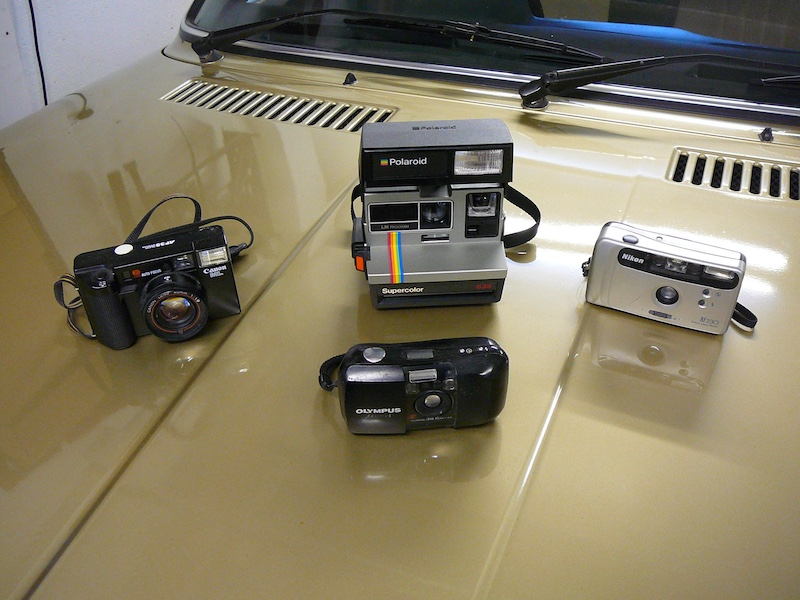
Cars leave the road. Photographs stay. A single frame can record a paint code, a trim detail, or a factory option that no spec sheet ever logged.
That makes photography one of the most practical tools in automotive preservation. This guide covers what to shoot, how to capture it, and how to store it so it lasts.
Why Photos Matter to Car History
Written records go missing. Dealer files get thrown out. Factory archives close or burn. Photos fill the gap.
Restorers rely on images to verify details such as:
-
Original paint and interior colors
-
Dealer-installed accessories
-
Spot weld patterns and body seams
-
Badge placement and wheel styles
-
Hose routing and decals in the engine bay
A period snapshot can settle a debate that years of forum posts cannot.
Physical output matters too. Digital files depend on software and hardware that change. Printed car photo books stay readable without a device, and they give clubs and families a record they can hand down.
Shooting for the Record
Document first. Style comes second.
Use a tripod and shoot at ISO 100 to 200. An aperture of f/8 to f/11 keeps the whole car sharp. Shoot RAW so you keep the full sensor data. Include a gray card or color checker in one frame per session for accurate color correction later.
Cover the basics:
-
Front, rear, and both sides
-
Four three-quarter angles
-
Engine bay, trunk, and undercarriage
-
Interior, dash, and odometer
-
VIN plate, build tag, and casting numbers
Use a macro lens for stampings and part numbers. Light the car evenly. Avoid harsh midday glare on glossy paint.
Scanning Legacy Prints and Negatives
Old family albums hold the best material. Many of those images exist nowhere else.
Scan prints at 600 dpi at actual size. Scan 35mm negatives at 3200 to 4000 dpi. Medium format film works well at 2400 to 3200 dpi. Save masters as uncompressed 16-bit TIFF files. Create smaller JPEG copies for sharing.
Handle film carefully. Wear clean cotton or nitrile gloves. Remove dust with a blower, not a cloth.
Know your film base. Early cellulose nitrate film is unstable and flammable. Cellulose acetate can break down and give off a sharp vinegar smell. Separate any film showing that decay and scan it first.
Metadata Makes Images Useful
A file named IMG_4821 tells nobody anything.
Use a consistent naming pattern. For example: 1967_Shelby_GT500_front34_001.tif. Then embed IPTC metadata in each file. Useful fields include:
-
Make, model, and year
-
VIN or chassis number
-
Date and location
-
Photographer and rights holder
-
Notes on owner history or modifications
Store the same data in XMP sidecar files too. If one record fails, the other survives.
Storage That Lasts
Follow the 3-2-1 rule. Keep three copies on two different media types, with one copy offsite.
Generate SHA-256 checksums for each master file. Check them once a year to catch silent corruption. Replace hard drives every three to five years. Migrate file formats when software support fades.
Protect physical media as well. Use sleeves and boxes that pass the Photographic Activity Test, defined in ISO 18916. Choose polyester or uncoated, lignin-free paper. Keep items in stable, cool, dry conditions. Relative humidity near 30 to 40 percent is a sound target for most collections.
The Library of Congress publishes detailed guidance on the care, handling, and storage of photographs. It covers enclosures, lighting, and handling for prints, negatives, and film.
Capture the Stories Behind the Cars
A car is more than its parts. Its history lives in the people around it.
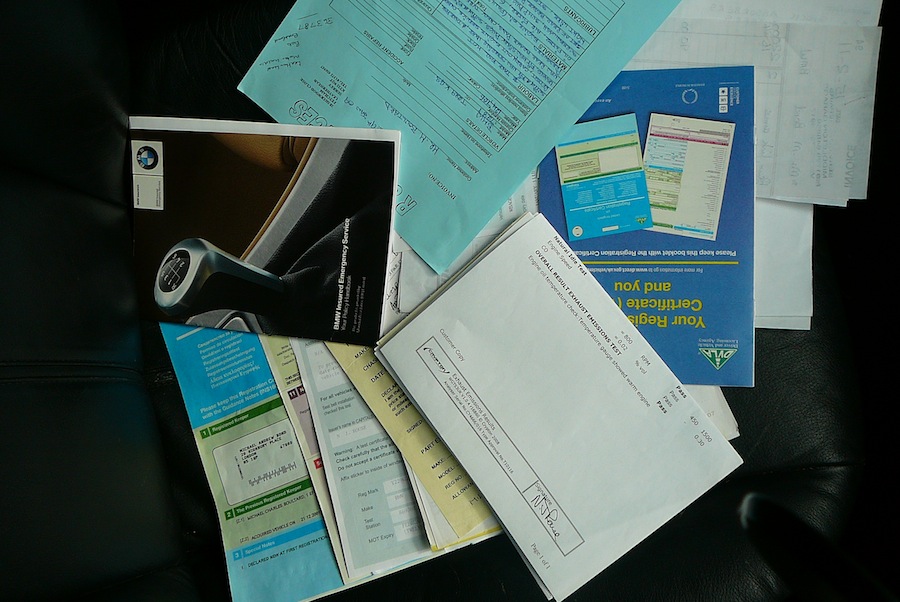
Photograph owners, mechanics, and the garages where the work happened. Copy receipts, window stickers, and old registrations. Shoot swap meets, club meetings, and track days. Record names and dates on the spot.
Pair each photo with a short caption. Who owned it? What changed? Why does it matter? Those notes turn a picture into a source.
Start With One Car
Pick one vehicle. Shoot it fully. Scan its paper trail. Label every file and back it up in three places.
Then repeat. A well-kept archive grows by small, steady steps, and each one protects another piece of automotive history.