How a Vehicle History Report Can Guide Your Purchase
Posted by James Ruppert | Sep 29, 2026 | 4 x 4, Articles, Buying Cars
Buying a used vehicle involves more than choosing a model that looks good and fits your budget. A car can appear clean on the outside while having a complicated history involving accidents, title changes, high mileage, or major damage. This is why reviewing a vehicle history report should be an important step before committing to a purchase. Whether you are comparing several vehicles or researching options through a Visalia used car dealership, a history report can help you understand what happened to a vehicle before it reached the current seller. The Federal Trade Commission recommends getting a vehicle history report when buying a used car, while also emphasizing that the report should be combined with an independent inspection.
What Is a Vehicle History Report?
A vehicle history report is a collection of records associated with a vehicle identification number, commonly called a VIN. The information can come from sources such as state title agencies, insurance companies, repair facilities, auctions, and other reporting organizations.
Depending on the provider, a report may include title information, reported mileage, accident records, salvage or total-loss information, ownership details, and service or repair records. NMVTIS, the National Motor Vehicle Title Information System, specifically provides information about title history, brand history, odometer readings, theft-related data, and salvage or total-loss history.
Because different reports collect information from different sources, the amount of detail can vary. A report is therefore best viewed as one part of the overall research process rather than a complete description of the vehicle.
Check the Vehicle Identification Number
The first step is making sure the VIN on the report matches the vehicle you are considering. The VIN is generally found on the vehicle and its paperwork, including the dashboard area near the windshield and the title documents.
A mismatch should be treated seriously. If the VIN on the report does not correspond with the vehicle, the history you are reviewing may belong to another car.
Once the VIN is confirmed, compare the report with the information shown on the vehicle, its paperwork, and the seller’s description. Consistency across these sources can make it easier to identify discrepancies before moving forward.
Review the Title History
Title information is one of the most important sections of a vehicle history report. NMVTIS records current and previous title information and identifies brands that may indicate conditions such as salvage, flood, or junk status.
A branded title can significantly change how you evaluate a used vehicle. For example, a salvage or total-loss history may indicate that the vehicle experienced serious damage at some point.
A clean-looking vehicle does not necessarily mean it has always had a clean history. Reviewing title records can provide information that may not be apparent from a visual inspection.
Look Closely at Accident and Damage Records
Accident information can help explain why a vehicle was repaired and whether further investigation is appropriate. Some commercial history reports may contain accident and repair information beyond the core data available through NMVTIS.
Pay attention to the number and timing of reported incidents. A single minor incident may tell a different story from repeated accident entries or a record showing major damage.
However, an absence of accident records should not automatically be interpreted as proof that the vehicle has never been damaged. Not every incident is necessarily reported to every database. This is one reason a professional inspection remains valuable.
Compare Odometer Records
Mileage affects both a vehicle’s value and expectations for maintenance. A history report can help you compare the current odometer reading with previously reported readings.
NMVTIS includes the latest reported odometer information, and discrepancies can help identify potential mileage problems.
For example, imagine a report showing 72,000 miles several years ago while the vehicle currently displays 61,000 miles. That difference would warrant additional questions and documentation.
Mileage should also make sense in relation to the vehicle’s age and condition. Excessively worn seats, pedals, steering wheels, or other components may provide additional clues when the reported mileage seems unusual.
Investigate Ownership and Usage History
Some vehicle history reports provide information about previous owners or how the vehicle was used. A car that spent time as a rental, fleet vehicle, or commercial vehicle may have experienced a different driving pattern from a privately owned vehicle.
Ownership history can also provide useful context. A vehicle that changed hands frequently may deserve additional questions about why it was repeatedly sold.
This information does not automatically make a vehicle a poor choice. Instead, it gives you more context for evaluating its condition, maintenance records, and asking price.
Pay Attention to Salvage and Total-Loss Records
Salvage and total-loss records deserve particular attention. NMVTIS identifies vehicles that have been reported as salvage or declared a total loss by an insurer or other qualifying organization.
Serious damage can affect structural components, safety systems, electronics, and long-term reliability. Flood damage can also create problems that are not immediately visible, including corrosion and electrical issues. The FTC recommends checking for flood history and having a mechanic inspect a vehicle for potential water damage.
If a report reveals significant damage, ask for documentation explaining what happened and how the vehicle was repaired.
Use the Report to Ask Better Questions
A vehicle history report becomes especially useful when you use it to guide your conversations with the seller. Instead of simply asking whether the vehicle has ever been damaged, you can ask about a specific incident, title change, mileage entry, or repair record shown in the report.
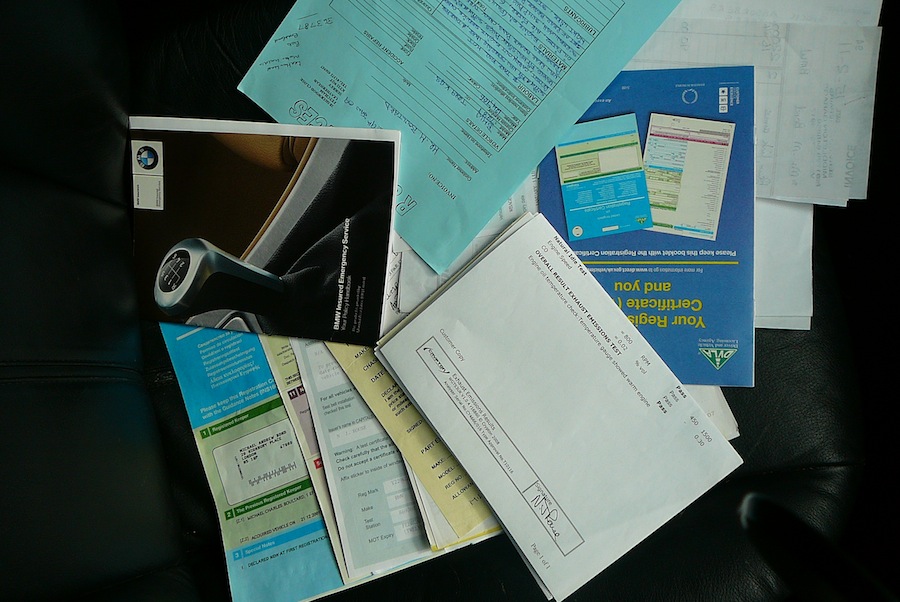
This can also help you request supporting documents. Maintenance invoices, repair orders, inspection records, and title paperwork may provide additional context.
If the seller’s explanation conflicts with the report, pause the purchasing process until you understand the discrepancy.
Do Not Skip an Independent Inspection
A vehicle history report is valuable, but it cannot replace a physical inspection. The FTC specifically recommends an independent inspection because history reports may not reveal every mechanical or cosmetic problem.
An independent mechanic can examine components such as the engine, transmission, suspension, brakes, tires, electrical systems, and signs of previous body or flood damage.
Combining the report with an inspection creates a more complete picture. The report explains what may have happened in the vehicle’s past, while the inspection helps determine its present condition.
Use the Report Alongside Other Research
The report should also be considered alongside maintenance records, recall information, the vehicle’s current condition, and its overall market value. The FTC recommends checking for open safety recalls separately using the vehicle’s VIN.
You should also compare the vehicle’s service history with the manufacturer’s recommended maintenance schedule. A well-documented history can help you understand whether important maintenance was performed at appropriate intervals.
Taking time to compare multiple sources can prevent you from relying too heavily on a single document.
Conclusion
A vehicle history report can turn an uncertain used-car purchase into a more informed research process. By checking the VIN, title history, accident records, mileage, ownership information, salvage records, and other available details, you can identify questions that deserve further investigation. At the same time, remember that a report has limitations and should not replace an independent mechanical inspection. Used-car buyers can make better-informed decisions by combining vehicle history information with physical inspection, maintenance records, recall checks, and careful conversations with the seller.