How to check and evaluate a used car?
Posted by James Ruppert | Sep 29, 2026 | 4 x 4, Articles, Buying Cars
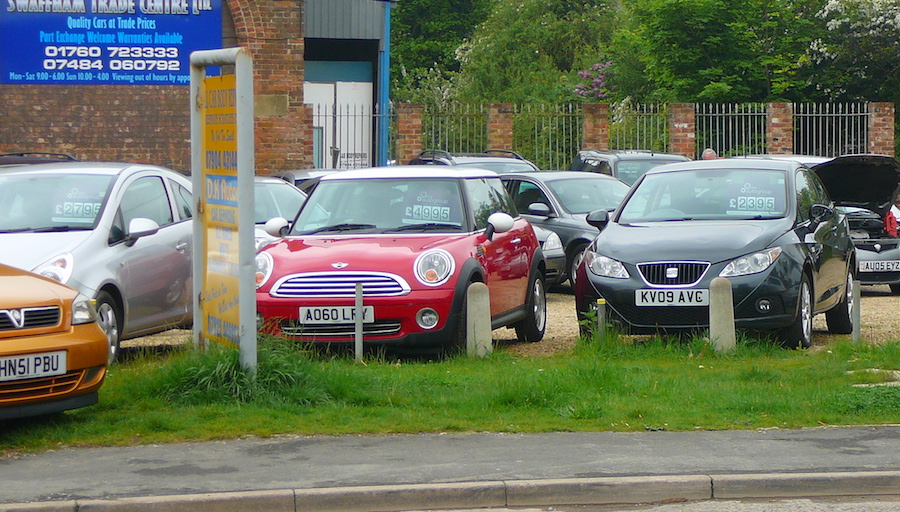
Buying a used car can be a practical way to get reliable transportation while staying within a specific budget. However, a lower price does not always mean a good deal. A vehicle may look attractive from the outside while hiding mechanical, electrical, or maintenance problems. Whether you are comparing private listings or browsing Used cars for sale in Spokane valley, taking time to inspect and evaluate the vehicle can help you make a more informed decision. A thorough evaluation should cover the car’s history, exterior, interior, mechanical condition, documentation, and driving performance.
Start With the Vehicle History
Before inspecting the car in person, learn as much as possible about its history. A vehicle history report can provide useful information about previous ownership, reported accidents, title status, mileage records, and service history. While a report cannot reveal every problem, it can identify warning signs that deserve closer attention.
Pay particular attention to inconsistent mileage records or gaps in the vehicle’s history. If the current mileage does not appear consistent with earlier records, ask for an explanation. Also check whether the vehicle has a salvage, rebuilt, flood, or other branded title.
The number of previous owners can also provide context. Multiple owners do not automatically indicate a problem, but a history of frequent ownership changes may be worth investigating.
Inspect the Exterior Carefully
Walk around the entire vehicle during daylight if possible. Look for differences in paint color, uneven panel gaps, dents, scratches, rust, or signs of previous bodywork. Variations in paint texture or color can sometimes indicate that a panel was repaired or replaced.
Check the doors, hood, trunk, and tailgate to make sure they open, close, and align properly. Look underneath the vehicle for signs of fluid leaks or damaged components.
The condition of the tires can also tell you something about the vehicle. Check the tread depth and look for uneven wear. Uneven tire wear may be associated with alignment, suspension, or steering issues. Ideally, all four tires should have compatible specifications and similar levels of wear.
Examine the Lights and Glass
Inspect the windshield and other windows for cracks, chips, or excessive scratches. Small chips may be repairable, while larger cracks can require replacement.
Turn on the headlights, high beams, brake lights, turn signals, hazard lights, reverse lights, and fog lights if equipped. Make sure all exterior lighting works properly.
Check the condition of the mirrors as well. Power-adjustable or heated mirrors should perform their functions without unusual noises or interruptions.
Check the Interior
Sit inside the vehicle and inspect the seats, carpets, dashboard, door panels, and headliner. Excessive wear compared with the displayed mileage can be a reason to investigate further.
Start the vehicle and test the climate-control system. Make sure the air conditioning produces cold air and the heater works correctly. Test the fan at different speeds and check that the vents operate as expected.
Then test the infotainment system, touchscreen, radio, speakers, USB ports, Bluetooth connectivity, and other available technology. If the car has navigation, a digital instrument display, or a premium audio system, verify that those features work.
Look for Warning Lights
When starting the car, pay attention to the dashboard. Many warning lights should illuminate briefly during startup and then switch off. A warning light that remains illuminated may indicate a problem requiring further diagnosis.
Pay particular attention to the check-engine, airbag, ABS, traction-control, battery, and oil-pressure warning lights.
Do not assume that a warning light is harmless simply because the vehicle appears to drive normally. Ask the seller about any warning indicators and consider having the vehicle scanned with appropriate diagnostic equipment.
Check Under the Hood
You do not need to be a professional mechanic to perform a basic engine-bay inspection. Look for obvious leaks, damaged components, loose wiring, corrosion, or unusual buildup around fluid reservoirs.
Check the engine oil level and condition according to the manufacturer’s recommended procedure. Extremely dirty oil may suggest delayed maintenance, although oil condition alone cannot establish the engine’s overall health.
Inspect the coolant reservoir, brake fluid, transmission fluid where accessible, and windshield washer fluid. Low fluid levels may indicate poor maintenance or a possible leak.
If you notice fresh oil, coolant, or other fluid underneath the vehicle or around the engine, ask a qualified technician to investigate before purchasing.
Evaluate the Engine and Transmission
Start the engine when it is cold if possible. Listen carefully for unusual knocking, ticking, rattling, or grinding noises. Notice whether the engine starts quickly and settles into a stable idle.
During the test drive, evaluate how the transmission shifts. Automatic transmissions should generally shift smoothly without significant hesitation, harsh engagement, or repeated slipping. For a manual transmission, check the clutch for excessive slipping or unusual noises.
Pay attention to acceleration, braking, steering, and overall engine response. A vehicle that pulls strongly to one side, vibrates excessively, or produces unusual sounds deserves further inspection.
Take a Comprehensive Test Drive
A test drive is one of the most important parts of evaluating a used car. Try to drive on different types of roads when circumstances allow. Start with slower streets before moving onto faster roads.
Test the brakes from different speeds and notice whether the pedal feels firm and consistent. Watch for vibrations, grinding noises, or unusual pulling.
Check the steering response and make sure the vehicle tracks straight. Listen for clicking or knocking sounds while turning. If possible, drive over a few normal road imperfections to identify unusual suspension noises.
Also test the parking brake and, where appropriate, cruise control and other driver-assistance systems.
Have a Professional Inspection
Even if the vehicle looks and drives well, consider having it inspected by an independent qualified mechanic before completing the purchase. A professional can inspect areas that are difficult for an ordinary buyer to evaluate, including suspension components, brakes, underbody damage, fluid leaks, exhaust components, and other mechanical systems.
This step can be especially valuable for older vehicles or cars with significant mileage. The inspection fee may be a relatively small expense compared with the cost of repairing a major mechanical problem later.
If the seller refuses to allow an independent inspection, consider that a reason to proceed cautiously.
Review Maintenance and Ownership Costs
Ask for maintenance records whenever they are available. Documentation for oil changes, brake work, tire replacements, scheduled maintenance, and major repairs can provide a clearer picture of how the vehicle has been cared for.
You should also research the expected costs of ownership. Insurance, fuel economy, replacement parts, routine maintenance, registration, and potential repairs can all affect the long-term cost.
A vehicle with a lower purchase price may not necessarily be less expensive to own if it requires frequent repairs or expensive maintenance.
Verify the Documents
Before finalizing a purchase, compare the vehicle identification number on the car with the VIN shown on the title and other relevant documents. Make sure the paperwork matches the vehicle you are inspecting.
Review the title status and confirm that there are no unresolved issues that could complicate ownership. Follow your local requirements for registration, taxes, inspections, and transfer of ownership.
Do not rush through paperwork simply because you are eager to complete the purchase.
Conclusion
Evaluating a used car requires more than checking its appearance or taking a short test drive. A careful buyer should review the vehicle’s history, inspect the exterior and interior, check mechanical components, test important features, examine warning lights, and verify all documentation. A professional inspection can provide another layer of protection before money changes hands.
By approaching the process systematically and taking time to investigate anything unusual, you can better understand a used vehicle’s condition and make a decision based on evidence rather than appearance alone.