Practical Workwear for Everyday Garage Work
Posted by James Ruppert | Nov 12, 2026 | Workwear, Boots, Eye Protection, Gloves
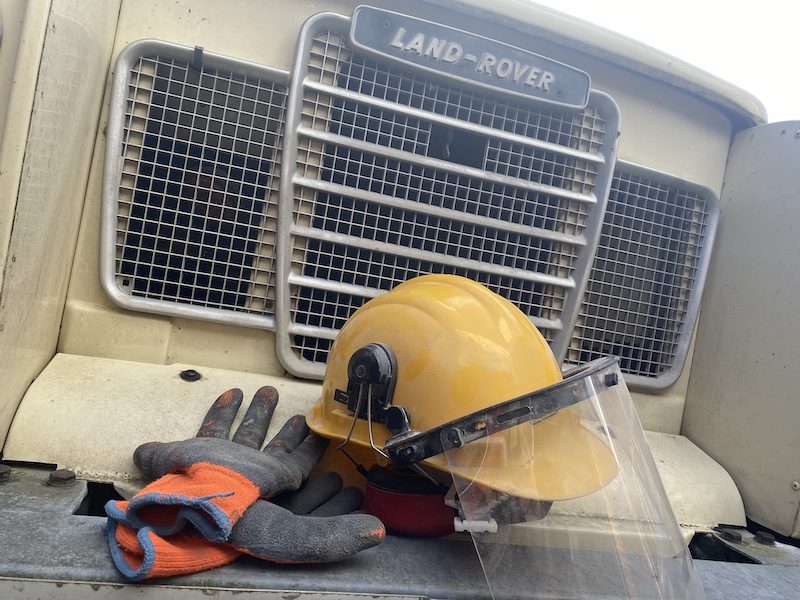
Garage work is rough on clothing. Oil soaks in. Metal edges cut. Concrete wears out the knees. The right gear handles all three. This guide covers fabric, fit, and construction so you can buy once and wear it for years.
Start With the Pants
Pants take the most abuse. You kneel on concrete. You slide under bumpers. You wipe greasy hands on your thighs.
Look for a fabric weight between 6 and 9 ounces. Cotton-poly blends and ripstop weaves hold up well. Light cotton wears through at the knee fast.
Construction matters as much as fabric. Triple-stitched seams and bar-tacked stress points resist tearing. A gusseted crotch lets you squat without strain.
Many mechanics now wear tactical pants for these reasons. They usually add reinforced knees, deep pockets, and durable zippers. The pockets hold sockets, a pen light, and a small torque tool without sagging.
Features Worth Paying For
Not every feature earns its price. These do:
-
Articulated knees: The pattern follows your joint, so the fabric does not pull when you crouch.
-
Knee pad pockets: A foam insert cuts pressure on your kneecaps during long jobs.
-
Stretch panels: Four-way stretch at the thigh and seat improves reach under dashboards.
-
Flat, low-profile pockets: They resist snagging on seat rails and brackets.
-
Adjustable waistband: It stays put when your belt loops are loaded with tools.
Skip flapped cargo pockets that swing open near moving parts.
Match Fabric to the Task
Fabric choice changes with the job. Cotton breathes and handles sparks better than most synthetics. Nylon and polyester can melt and stick to skin.
That matters when you grind, cut, or weld. Check the label before you start. Many ripstop blends contain nylon. For spark-heavy work, wear 100 percent cotton or flame-resistant treated cotton.
Fluids are another concern. Solvents and gasoline soak into cotton quickly. A wet shirt near a heat source is a fire risk. Change out of soaked clothing right away.
Shirts and Outer Layers
Fit counts more than style. Loose cuffs catch on belts, pulleys, and fans. Choose sleeves that sit snug at the wrist.
Long sleeves protect against hot exhaust pipes and radiator splash. Avoid hoodies with drawstrings. Remove rings, watches, and lanyards before you work near rotating parts.
Coveralls suit oil changes and underbody work. A full-length front zipper makes them easy to remove when soiled. In cold shops, wear a moisture-wicking base layer under cotton.
Boots and Footing
Concrete and oil make a bad mix. Choose boots with an oil-resistant, slip-resistant outsole. Rubber compounds usually grip better than hard plastic soles.
A safety toe rated to ASTM F2413 protects against dropped parts and rolling tires. Composite toes weigh less. Steel toes cost less. Pick an 8-inch shaft if you want ankle support on uneven floors.
Replace boots when the tread flattens. Worn soles lose grip on wet surfaces long before the upper fails.
Gloves and Eye Protection
Hand and eye protection should match the hazard. Use this quick guide:
-
Nitrile gloves, 5 to 8 mil: Best for fluids, brake cleaner, and oil changes.
-
Cut-resistant gloves: Choose a rating under ANSI/ISEA 105 for sheet metal and exhaust work.
-
Impact gloves: Padded backs protect knuckles during wrench work.
-
Safety glasses marked Z87.1: Required quality for flying debris.
-
Splash goggles: Better when spraying cleaners overhead.
Rust and old fluid fall when you work under a vehicle. Wear eye protection every time.
Read the Chemical Label
Degreasers and brake cleaners affect what you should wear. Every hazardous chemical has a Safety Data Sheet, or SDS. Section 8 lists recommended protective equipment. The OSHA Hazard Communication Standard explains the label and SDS format. It is written for employers, but home mechanics can use the same documents.
Search the product name plus “SDS” before you open a new can. Match your gloves and eyewear to what the sheet recommends.
Care and Replacement
Wash oily clothing separately. Use a detergent with degreasing agents. Hang items to dry. Oil residue in a hot dryer can ignite.
Inspect your gear each month. Replace pants when the knees thin or seams open. Replace gloves with any tear. Replace safety glasses when scratches blur your view.
Good workwear is equipment. Treat it that way, and it protects you on every job.