How Custom Merchandise Connects With Car Culture
Posted by James Ruppert | Nov 12, 2026 | T-Shirts, Workwear, Badge
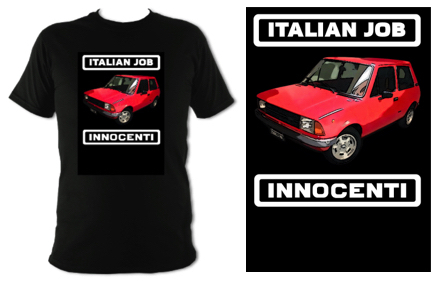
Car culture runs on identity. Owners pick wheels, stances, and liveries to signal who they are. Merchandise carries that signal off the driveway and into daily life. It also gives clubs and shops a repeatable way to build recognition.
Why Car Communities Wear Their Identity
Every car scene has marks. A club badge on a windshield. A shop logo on a cap. A crew name on a jacket back. These work like decals on a body panel. They show membership at a glance.
Merch also solves a practical problem. Meets and track days are crowded. Teams need to spot each other fast. Matching gear does that without a radio.
Many clubs start with customized apparel because the entry cost is low. A 24-piece run can test a design before a bigger order. Fit, color, and placement get proven on a small batch first.
Products That Hold Up in Garage Conditions
Automotive settings are harsh. Garments face oil, heat, and frequent washing. Pick items built for that.
Strong options include:
-
Heavyweight tees at 6.0 oz or higher for shop wear
-
Pullover hoodies in 8 to 10 oz fleece for cold morning meets
-
Structured twill caps with embroidered logos
-
Work shirts with chest patches for crews
-
Stickers, banners, and keychains as low-cost add-ons
Match the product to the user. Mechanics need durability. Spectators need comfort and fit.
Decoration Methods and Trade-Offs
The print method decides how a design ages.
Screen printing pushes ink through mesh screens. It suits runs above 48 pieces. It holds solid colors well. Pantone matching keeps a brand red consistent across batches. Each color needs its own screen, so cost rises with color count.
Direct-to-garment printing sprays water-based ink into the fibers. It handles gradients and photo detail. It performs best on 100% cotton. Dark garments often need a white underbase.
Embroidery relies on stitch count. A left-chest logo often runs 6,000 to 8,000 stitches. It resists washing and wear. It suits caps, jackets, and polos.
DTF transfers use printed film and adhesive powder. They work for short runs and multicolor art. Quality depends on film grade and heat press settings.
Preparing Art That Reads at Speed
Car graphics are seen from a distance. At an event, most viewers stand 10 to 20 feet away. Bold shapes beat fine detail.
Use this checklist before sending files:
-
Supply logos as vector files (AI, EPS, or SVG)
-
Convert all text to outlines
-
Keep raster art at 300 DPI at final print size
-
Keep line weight at 1 pt or thicker for screen printing
-
Keep embroidered text at least 0.25 inch tall
-
Limit colors to control screen costs
What the Market Data Shows
Demand is measurable. SEMA reports that U.S. consumers spent about $52.65 billion accessorizing and modifying vehicles in 2024. The group expects a return to 4% to 5% annual growth. The details are in the SEMA 2025 Market Report.
The report adds useful points for merch planners. Pickups account for a third of specialty-equipment spending. Classic vehicle owners focus on shows and pleasure driving. Owners of electric and hybrid vehicles lead in racing and protection apparel sales.
Each group is a defined audience. Each has its own gear needs. A truck crew wants rugged workwear. A classic club wants vintage-style graphics. An EV track group wants performance fabrics.
Selling at Events and Online
Events convert best. People buy when they see the car and the brand together. Bring a full size run from S to 3XL. Stock deeper in M through XL.
Take pre-orders for new drops. This reduces dead inventory. Add a QR code to stickers or hang tags that links to your store. Track sales by event type and by size. Use that data to adjust the next order.
Building Brand Loyalty Through Custom Merchandise
Custom merchandise can turn casual automotive fans into loyal community members. Limited-edition shirts, event-specific caps, and branded accessories give people a reason to stay connected between meets. Shops can also use merchandise as customer appreciation gifts after major services or vehicle upgrades.
For car clubs, seasonal collections create excitement and encourage members to represent the group beyond local events. Keep designs consistent with the club’s colors, typography, and visual style. When merchandise reflects the same identity seen on vehicles and social media, it creates stronger brand recognition and makes the community easier to remember.
Next Steps
Start small. Choose one product, one design, and one decoration method. Test it at the next meet. Collect feedback on fit, wash durability, and color accuracy. Then expand the line.