Keeping Your Automotive Workshop Clean and Organized
Posted by James Ruppert | Nov 12, 2026 | Health and Safety, Garage Equipment, Tidy, Clean Air Zone
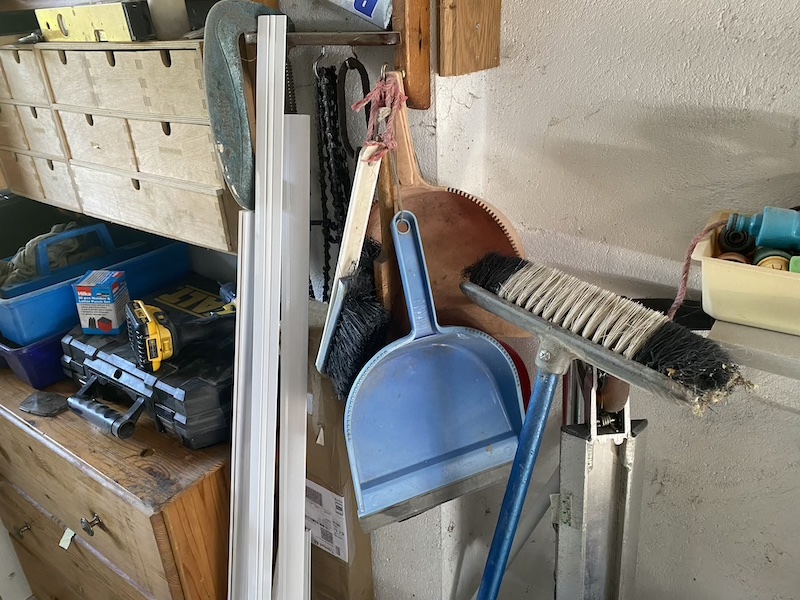
A clean shop is a safer shop. It is also a faster one. Technicians lose time hunting for torque wrenches, scan tools, and the right fasteners. Over a week, those minutes add up to real labor cost.
Disorder also raises injury and fire risk. Oil on concrete, loose air hoses, and stacked parts create hazards that inspectors spot first. This guide covers the systems that keep a workshop under control.
Start With Zones
Divide the floor by function. Set clear areas for lift bays, parts staging, tool storage, tire work, and waste handling. Mark each one with floor tape or paint. Give every zone a named owner who answers for its condition.
Public areas need their own plan. The lounge, restrooms, and front desk shape how customers judge your technical work. A professional cleaning service can handle these spaces on a fixed schedule. That keeps your technicians on vehicles, not mops.
Keep walkways at least 36 inches wide. Never park creepers, drain pans, or parts carts in them. Keep exits, electrical panels, and fire extinguishers fully clear. Use hose reels for air lines so nothing runs across the floor.
Control Fluids Before They Hit the Floor
Start with the surface. Bare concrete absorbs oil and is hard to clean. A sealed or epoxy-coated floor lets you wipe up spills before they soak in. Good lighting also helps. Bright, even light makes small leaks easy to see.
Most slips start with a small leak. Oil, coolant, brake fluid, and transmission fluid all cut traction. Treat every drip as a task. Do not accept it as background noise.
Build a spill station near each bay. Stock it with:
-
Absorbent granules or pads
-
A stiff broom and dustpan
-
Drain pans and catch trays
-
Labeled waste containers
-
Spare nitrile gloves and safety glasses
Respond immediately. Absorb the spill, sweep it up, then degrease the area. Water alone spreads oil. Rinse only where floor drains are permitted, and check local rules first. Never let a spill sit through a shift change.
Store used oil, solvents, and antifreeze in sealed, labeled containers. Place them on spill pallets with secondary containment. Oily rags go into covered metal cans. Empty those cans daily, since oil-soaked textiles can ignite on their own.
Organize Tools and Parts With Visual Systems
Shadow boards show what is missing at a glance. Outline each tool on foam or pegboard. Apply the 5S method: sort, set in order, shine, standardize, sustain. Most shops stop after three steps. The last two make the system hold. Label shelves by part number and rotate stock first in, first out.
Write the routine down. Verbal rules fade within a month. An office cleaning checklist is a good template for the front end of your business. Adapt it for the floor by adding bay degreasing, drain checks, and parts rack audits.
Build a Schedule That Sticks
Daily tasks should be short and specific:
-
Sweep bays and wipe benches
-
Empty oily rag cans
-
Return tools to shadow boards
-
Check floors under lifts for leaks
-
Close and label chemical containers
Weekly, degrease floors, clean parts washers, and wipe down shelving. Monthly, test eyewash stations, check extinguisher tags, and audit waste storage. Log every task with a date and initials.
Meet Safety Expectations
A well-maintained workshop also improves customer confidence. Keep service counters, vehicle handover areas, and customer seating free of dust and clutter. Display clear signs for restricted work zones and safety requirements. When the entire facility looks organized, customers see a business that values professionalism, attention to detail, and quality service.
OSHA lists oil and grease on walking surfaces among the physical hazards in autobody work. Its autobody hazards and solutions page links to guidance on lifts, chemicals, and housekeeping. Review it with your team once a year.
Assign accountability. Rotate a weekly shop lead who signs the checklist. Review results in a short Monday meeting. Track repeat problems and fix root causes, such as a leaking lift seal or a worn hose.
Train new hires on day one. Show them spill response, rag disposal, and tool return rules. Standards only hold when everyone follows them.
Start With One Bay
Cleanliness comes from systems, not bursts of effort. Zones, spill control, visual storage, and written routines do the work. Start with one bay. Prove the process, then roll it out across the shop.