5 Garage Maintenance Tips Every Car Owner Should Know
Posted by Dan Parks | Nov 10, 2026 | Garage Equipment, Tidy, Car Cleaning, Garage
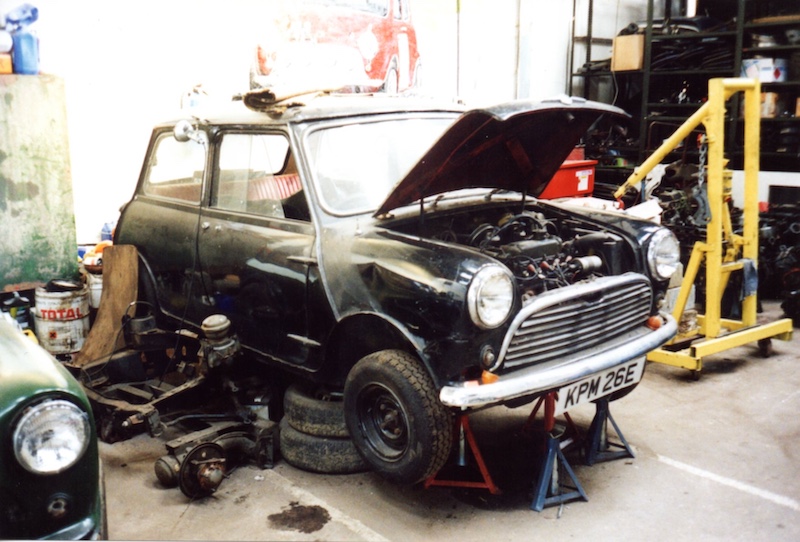
A garage has a lot going on. It’s the place where you park your car, keep your tools and spend time working on your latest automotive project. With all that activity, it’s easy for dust, moisture, spills and clutter to pile up. Regular maintenance helps protect your vehicle, keeps your equipment in good condition and makes every project more enjoyable. Here are five practical tips to keep your garage in top shape.
1. Keep the Garage Clean and Stain-Free
The garage floor puts up with a lot. Tires carry in dirt and grit, fluids can drip onto it and dust gradually settles on almost every surface. Sweeping and wiping down work surfaces at least once a week can help keep this buildup under control.
If you notice automotive spills, such as oil, coolant or brake fluid, clean them right away, as they can stain concrete and leave slippery areas. Be careful when handling them, as they pose an environmental risk. A single oil change can pollute 1 million gallons of freshwater, equivalent to a year’s supply for 50 people. Always collect oil in a sealed container for proper recycling or disposal.
During your regular cleanup, look for moisture problems as well. Make sure there’s no water collecting on the floor, no cracks in the concrete, and no signs of leaks around windows or ceilings. If your garage is especially damp, you can use a dehumidifier to keep it under control.
2. Give Your Tools and Equipment a Proper Home
Ever spent five minutes looking for a wrench you were sure you left on the workbench? You’re not alone. Garage mess is a common problem among American homeowners, with 31% having filled at least half of their garages with clutter and 9% no longer able to park their cars inside. All that stuff can make it harder to find your tools, move around freely and enjoy working on your car.
The easiest way to solve this problem is to make your tools and equipment easier to manage by assigning storage areas to different categories. Group your supplies by purpose, such as hand tools, power tools, cleaning products and diagnostic equipment. You can also install pegboards, wall-mounted racks and labeled drawers to keep frequently used items within reach while freeing up floor space. Store heavier equipment, including jacks and jack stands, on sturdy lower shelves.
3. Inspect Your Garage Door and Its Moving Parts
Your garage door goes up and down several times a day, so its moving parts naturally wear over time. Regular checks help keep it running smoothly and your garage secure. Listen for grinding, squeaking or rattling as the door moves because these sounds can point to trouble with the tracks, rollers or hinges.
Do a quick check for rust or damage, and wipe away any loose dirt every month or so. You may also lubricate the components, but make sure to follow the manufacturer’s recommendations. Test your remote controls and automatic opener regularly, too, including the safety reversal system.
It’s also a good idea to book an annual professional tuneup. A technician can help you check the door’s safety features, adjust springs and cables, calibrate the opener and catch early signs of trouble. Keeping up with routine servicing can help you avoid $500 to $1,000 in repair costs and add five to 10 years to your garage door’s lifespan.
4. Maintain Good Airflow in Your Garage
Air quality is vital in a garage, especially if you regularly use it to work on your car. A vehicle exhaust system releases carbon monoxide that can seep into an attached home. The CDC warns that leaving the garage door open doesn’t eliminate this risk. Since the gas has no color or smell, it can be difficult to detect before it becomes dangerous.
Make it a habit to move your car into the driveway before starting the engine. Open the garage door and any available windows when using automotive chemicals, and keep the space well-ventilated until the fumes have cleared.
5. Check Garage Safety Equipment and Electrical Fixtures
Between 2019 and 2023, garages and vehicle storage areas accounted for 3% of home structure fires and 11% of direct property damage. That’s a good reason to keep a few safety basics in check. Have a fire extinguisher somewhere handy, and check its pressure gauge and expiration date every so often. Look over outlets, extension cords and light fixtures for damage, and avoid overloading power strips when using equipment such as air compressors.
While you’re at it, test your smoke and carbon monoxide detectors and make sure your first-aid kit has all the essentials. Check that shelves and wall-mounted racks are firmly secured to make your garage a much safer place to work.
Your Garage Deserves a Tuneup, Too
A well-maintained garage makes car care easier and gives you a safer, more enjoyable place to work. Build these five tasks into your regular cleaning and maintenance routine, then give your garage a closer inspection every few months. Your vehicle, tools and future weekend projects will all benefit from a space that’s ready for action.