Building a Lego Technic NASA Apollo Lunar Roving Vehicle with Kiran Parmar
Posted by James Ruppert | Mar 20, 2026 | Articles, Lego, Model Cars, Technology
If you are a regular reader of Free Car Mag, you will know we are huge fans of space vehicles, particularly the NASA Lunar Rover Vehicle also known as the ‘LRV’ and often affectionately referred to as the ‘Moon Buggy’. We wrote a story and created a video about this fascinating machine which you can read here.

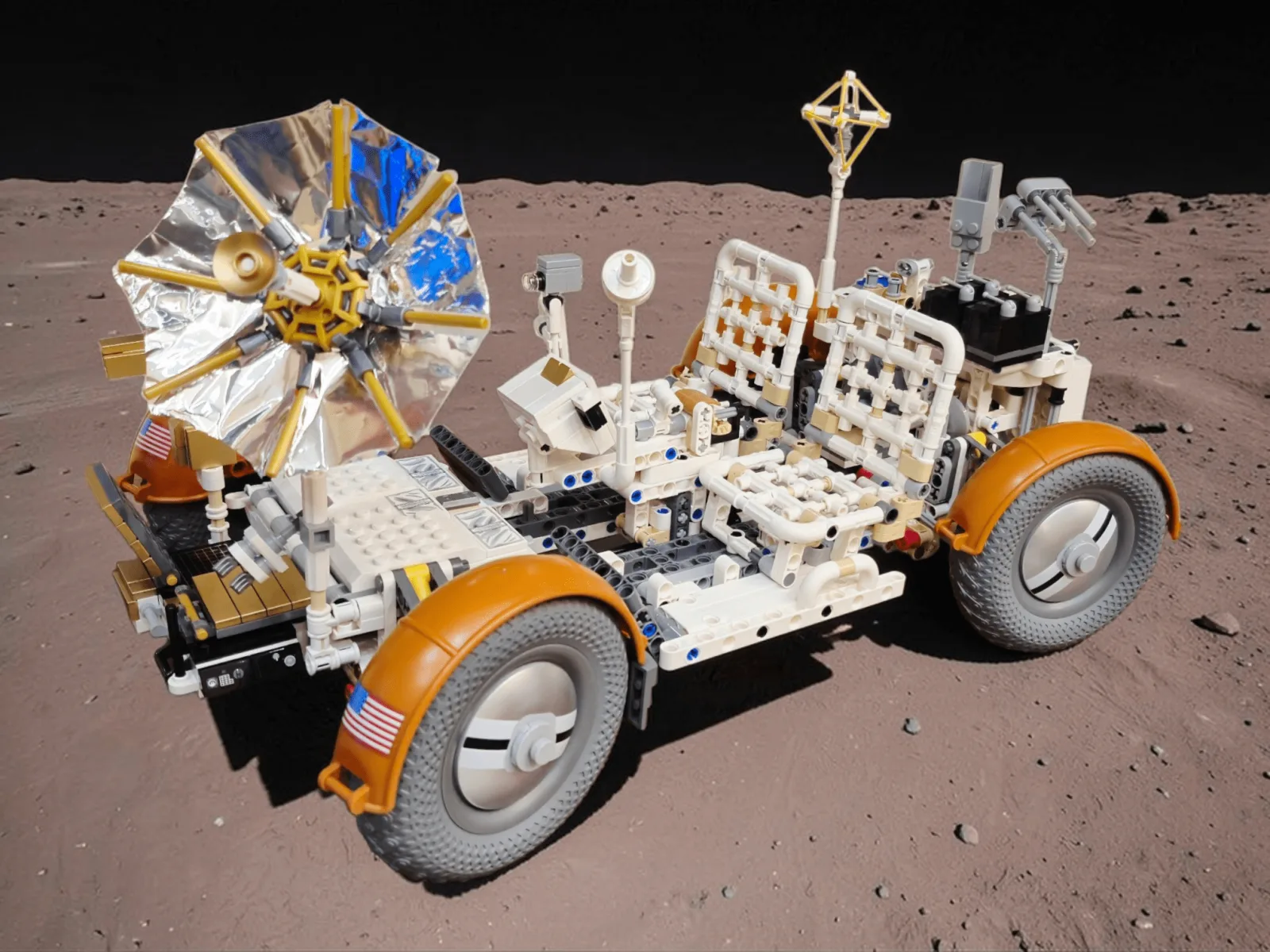
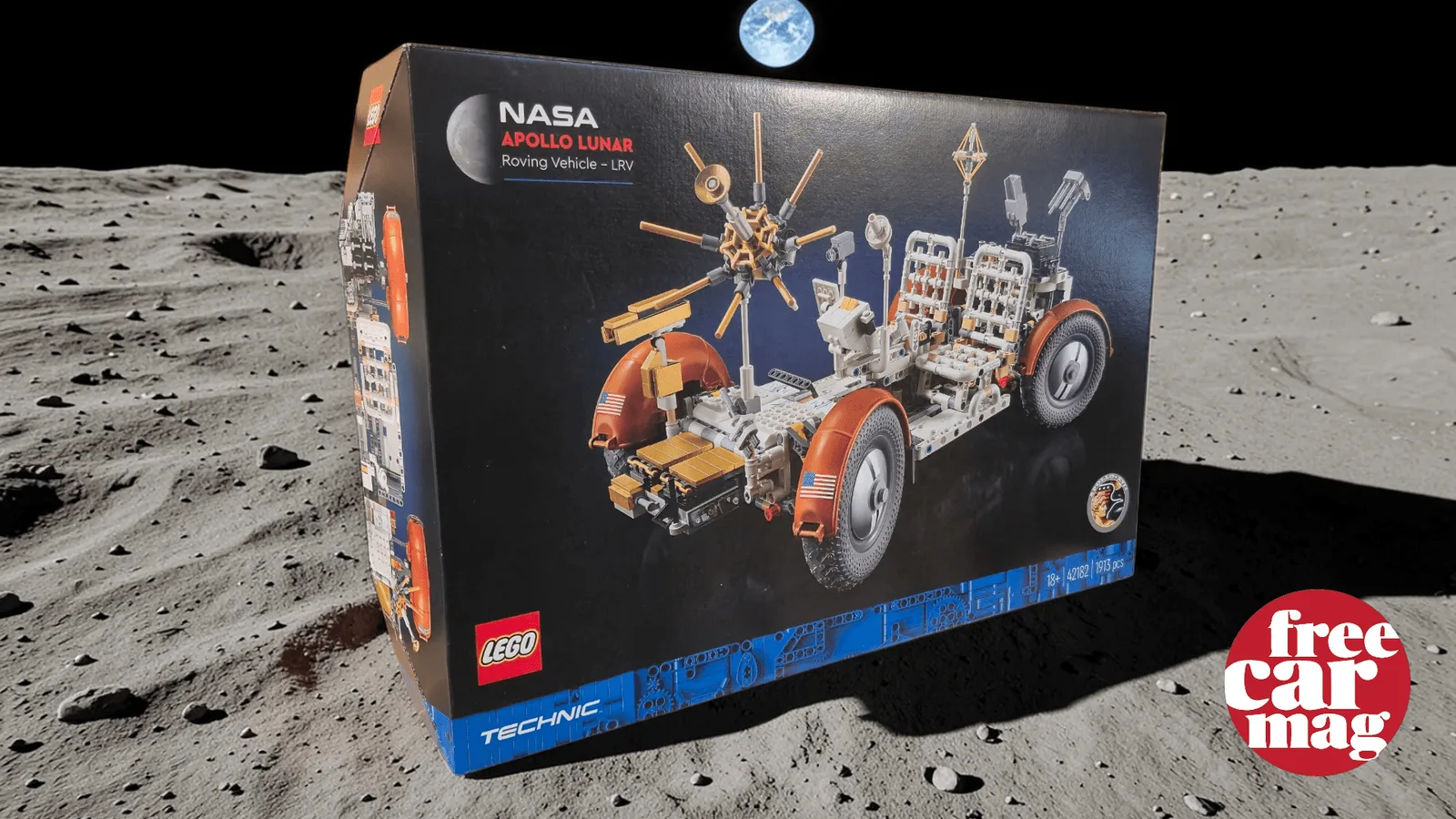
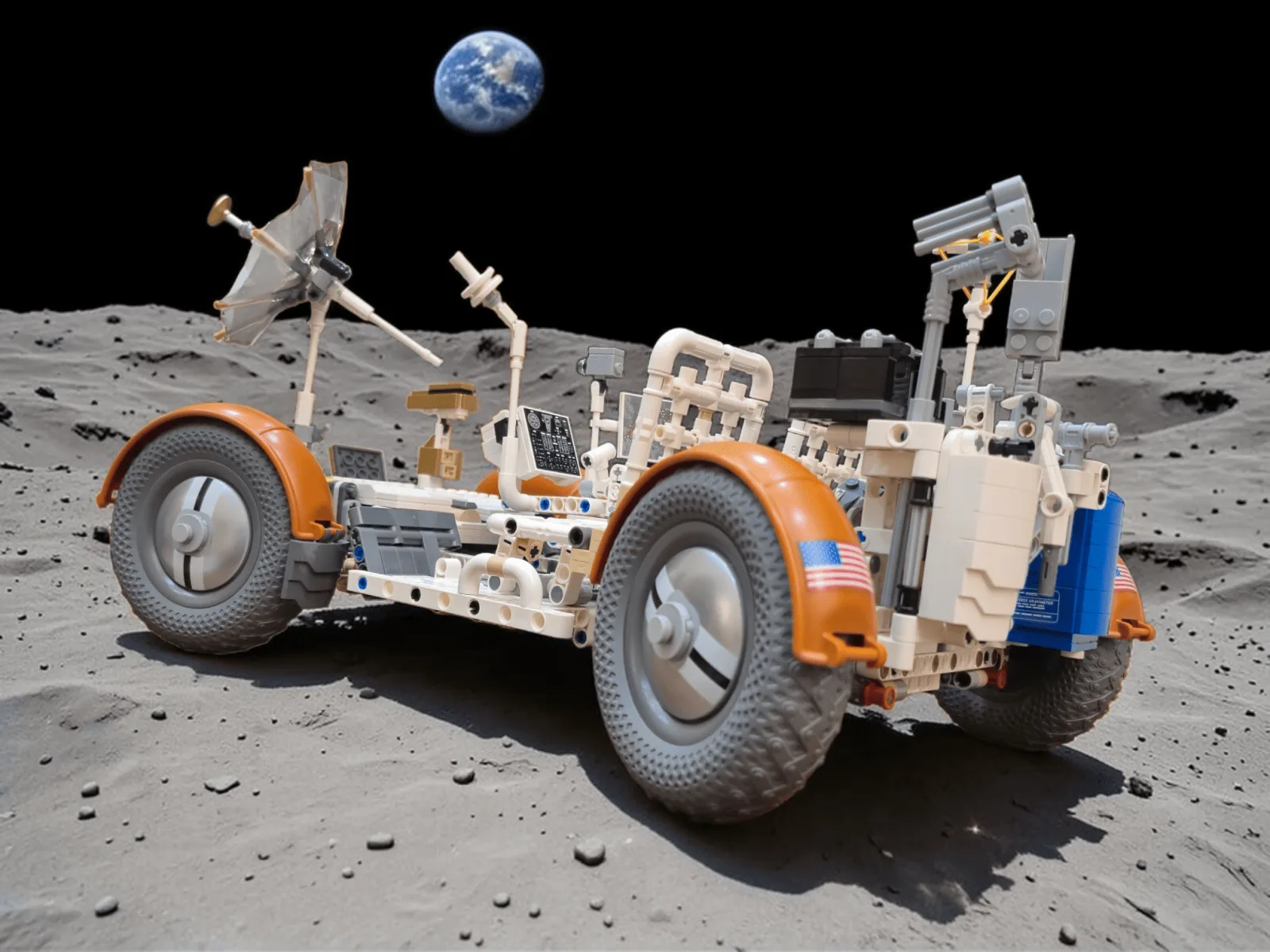
For space enthusiasts and Lego builders alike, the Apollo missions represent the pinnacle of human engineering. Capturing that historic ingenuity, the Lego Technic NASA Apollo Lunar Roving Vehicle (Set 42182) offers an incredibly detailed, hands-on tribute to the iconic ‘Moon Buggy’ driven during the Apollo 17 mission in 1972.
Clocking in at a substantial 1,913 pieces, this 18+ set is far more than just a display model—it is a masterclass in scale mechanical engineering.
Authentic Engineering and Mechanics:
As this is a ‘Technic’ set, the emphasis is heavily placed on mechanical accuracy and complex functions rather than just outward appearance. The Lego designers have gone to great lengths to replicate how the real LRV operated on the lunar surface.
Advanced Suspension and Steering:
The model features a fully articulated suspension system and functioning four-wheel steering, mirroring the rover’s ability to smoothly navigate the treacherous, cratered terrain of the Moon.
Historically Accurate Folding Mechanism:
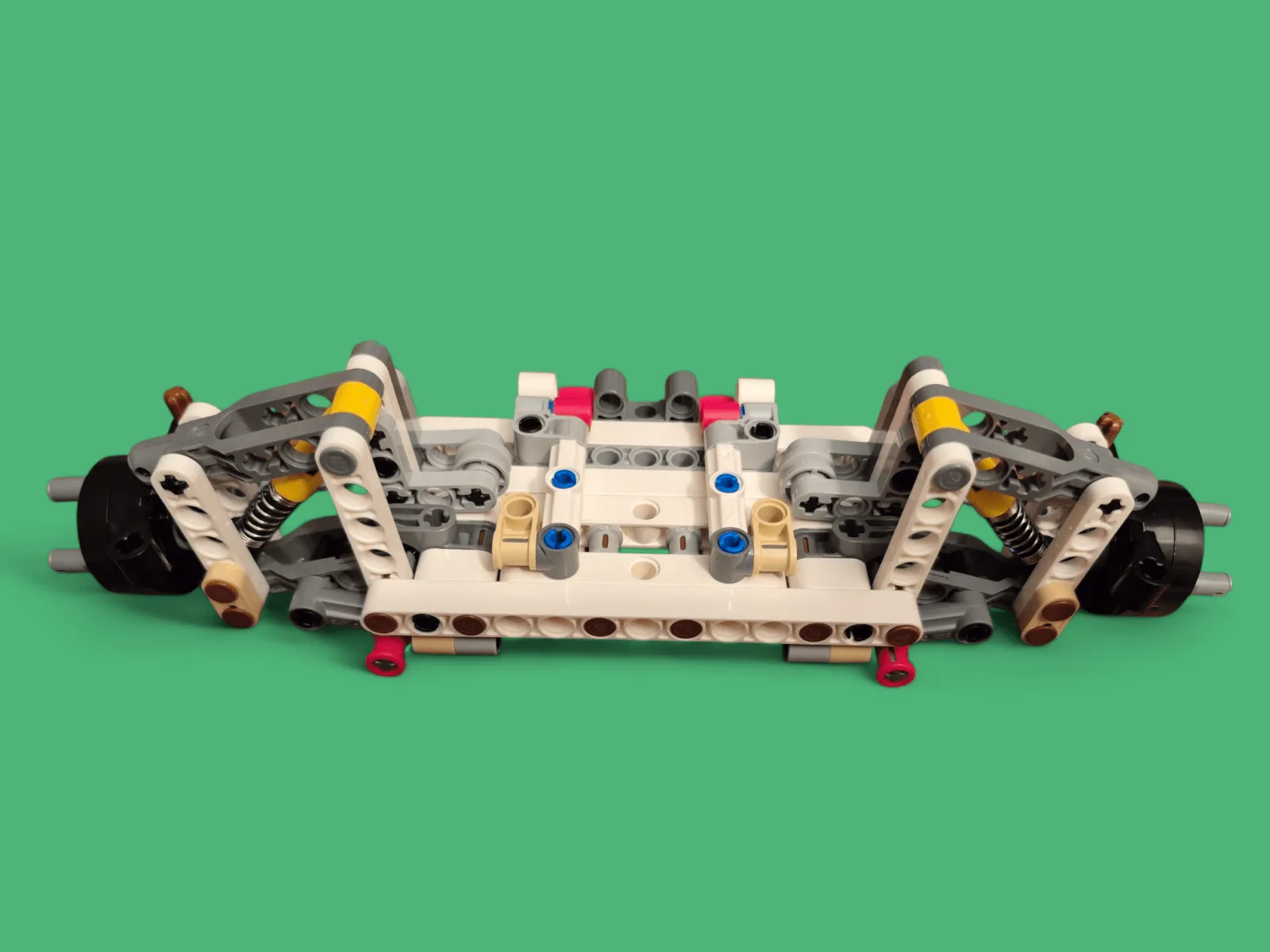
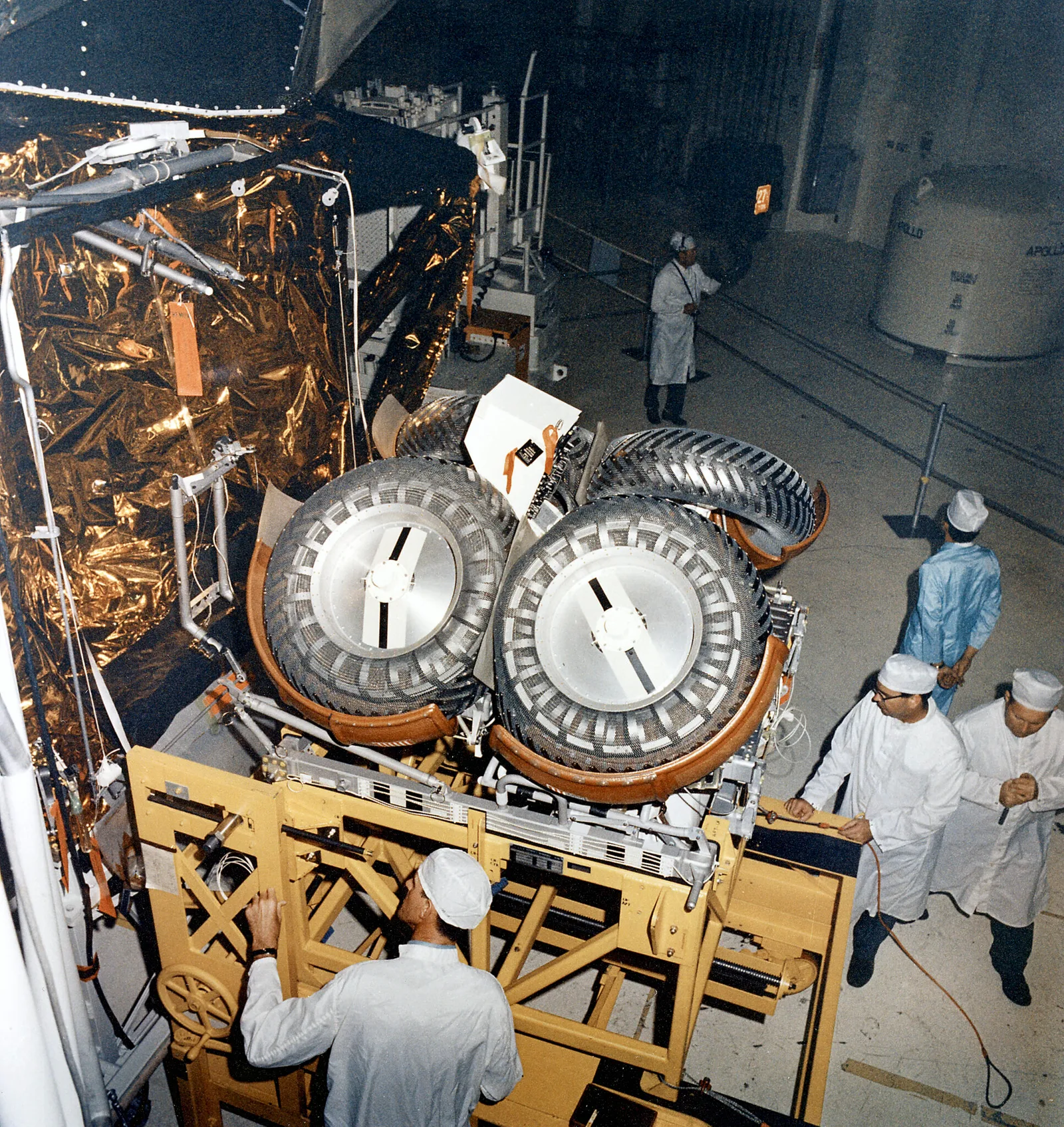
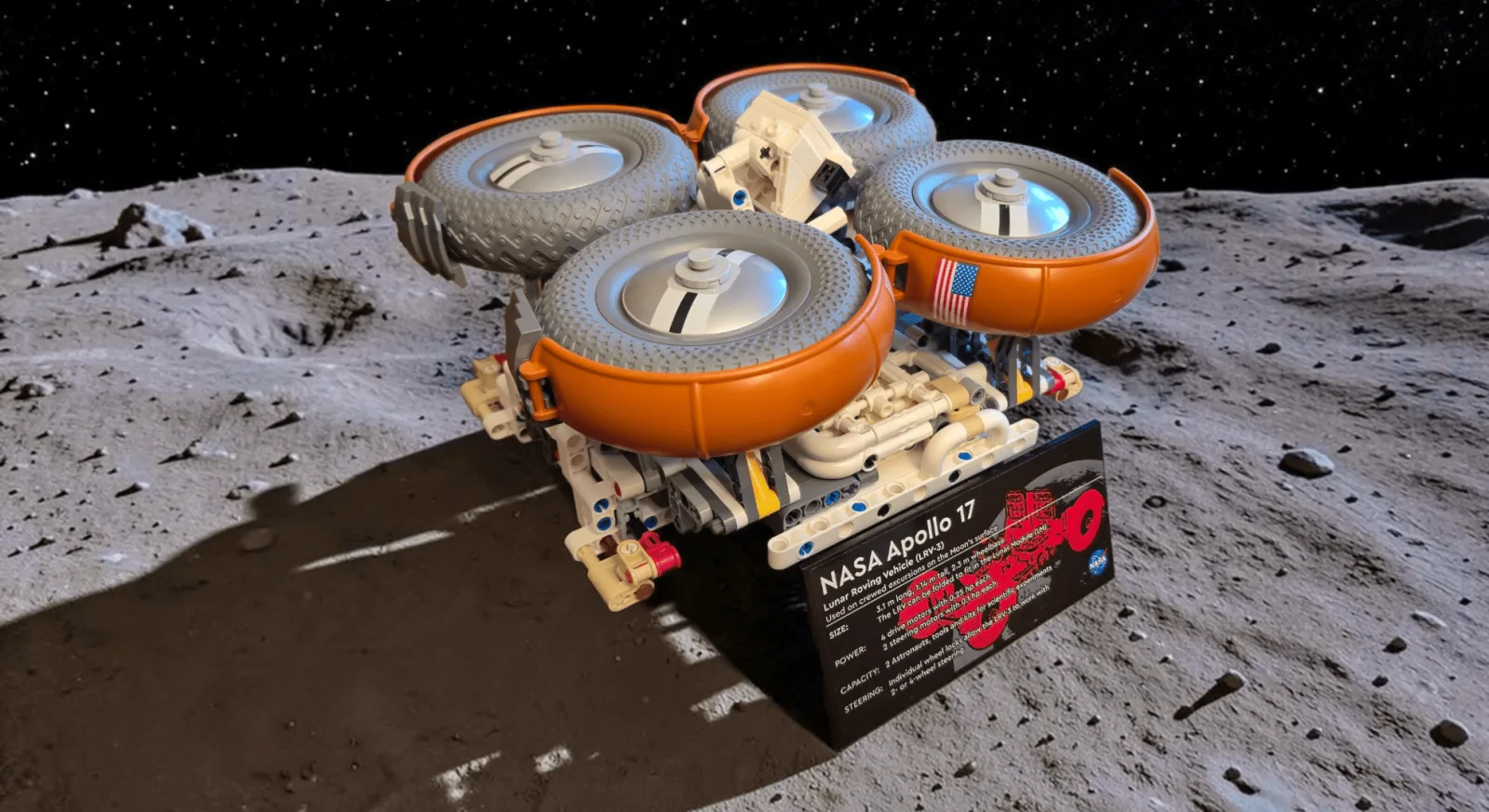
Perhaps the most impressive engineering feat of this build is its folding capability. The real Apollo rovers had to be packed tightly into the descent stage of the ‘Lunar Module’ for the journey to the Moon. This Lego set replica mimics that exact deployment process. By rotating the wheel axles, lowering the seat backrests, and folding the front and back portions of the chassis, the entire vehicle can be folded into a compact footprint and can be displayed upside-down— exactly as it was stowed for spaceflight.
A Modular Scientific Payload:
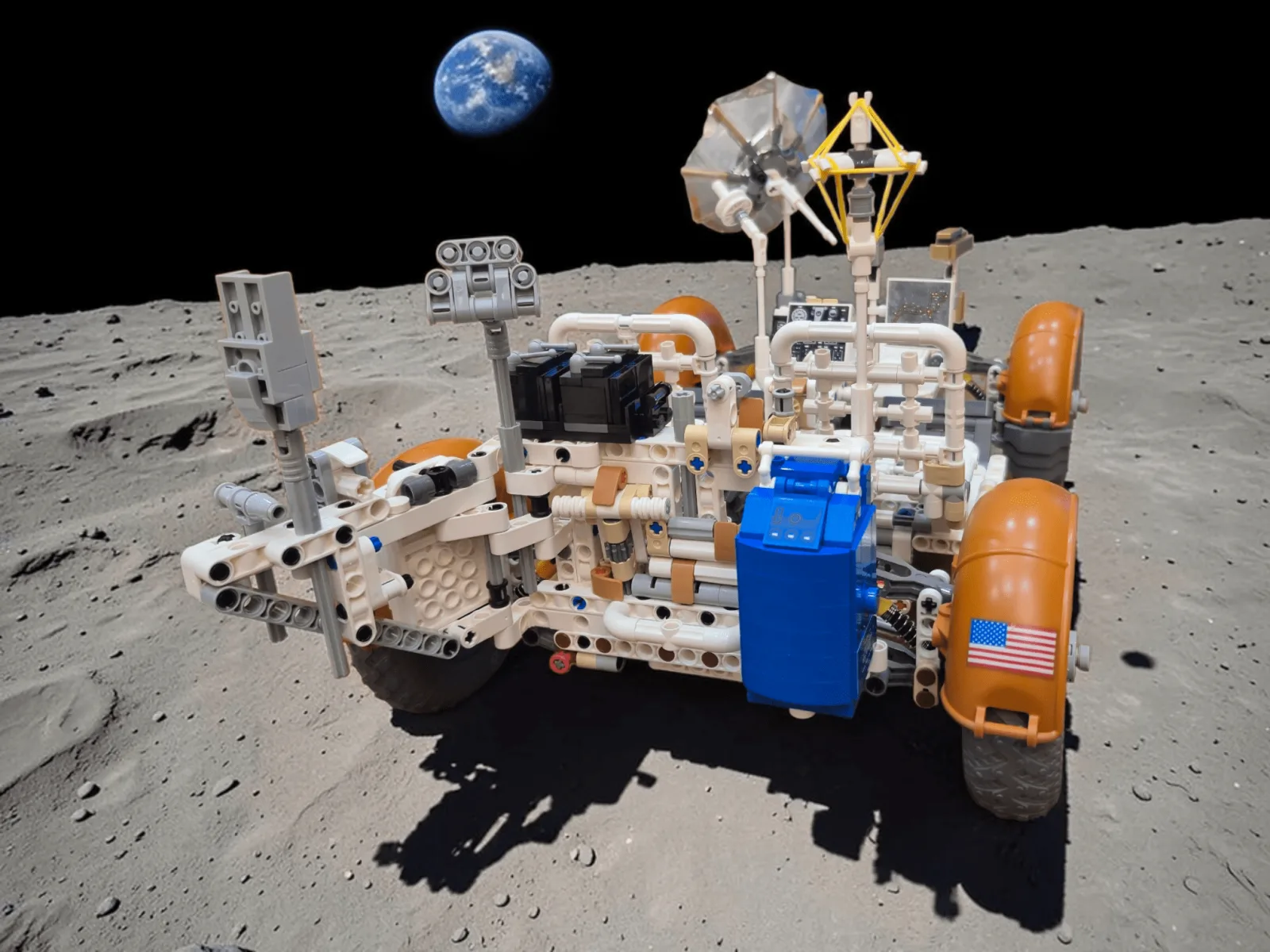
The rover isn’t just an empty vehicle; it comes fully loaded with a payload of detachable, modular scientific equipment. To elevate the presentation, LEGO includes separate display plaques for the vehicle itself and its three primary attachable assemblies:
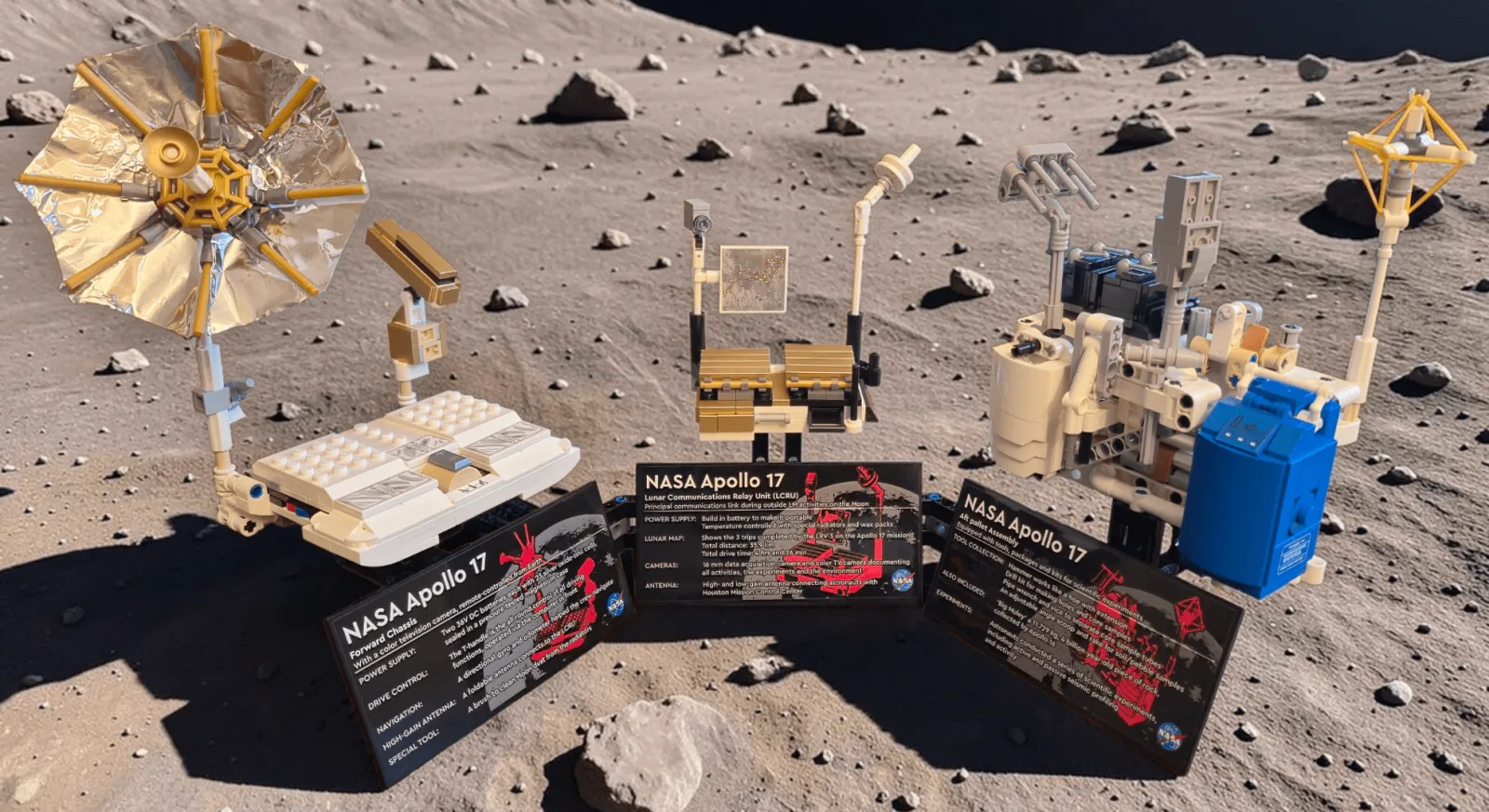
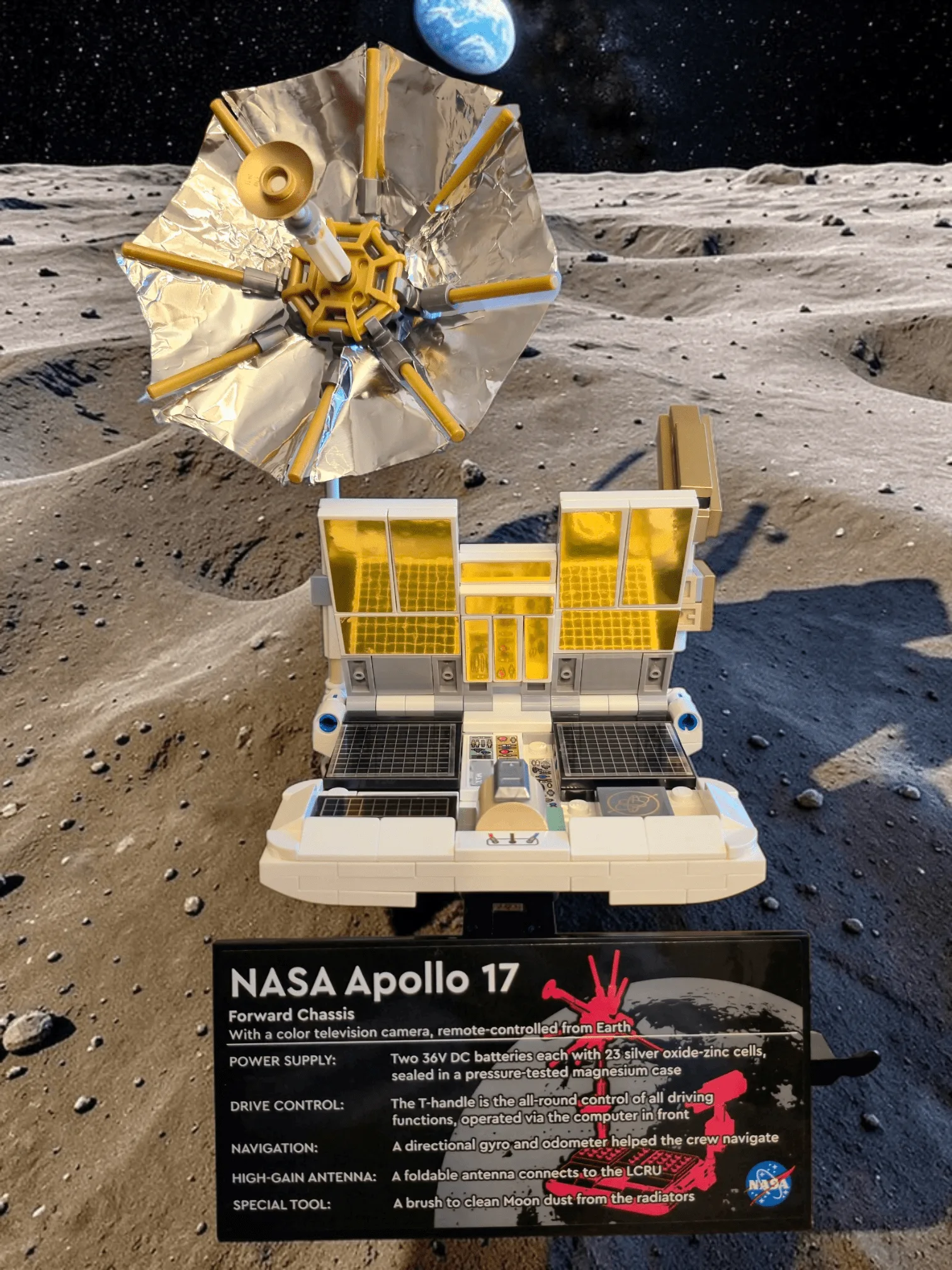
Forward Chassis:
This section houses the gyro and odometer navigation unit, as well as the special brush used by astronauts to sweep highly abrasive moon dust off the camera lenses and machinery.
Lunar Communications Relay Unit (LCRU):
Essential for broadcasting historic moments back to Earth, this module includes the TV camera, communications antennae, and the rover’s battery pack (complete with internal heating and cooling elements). 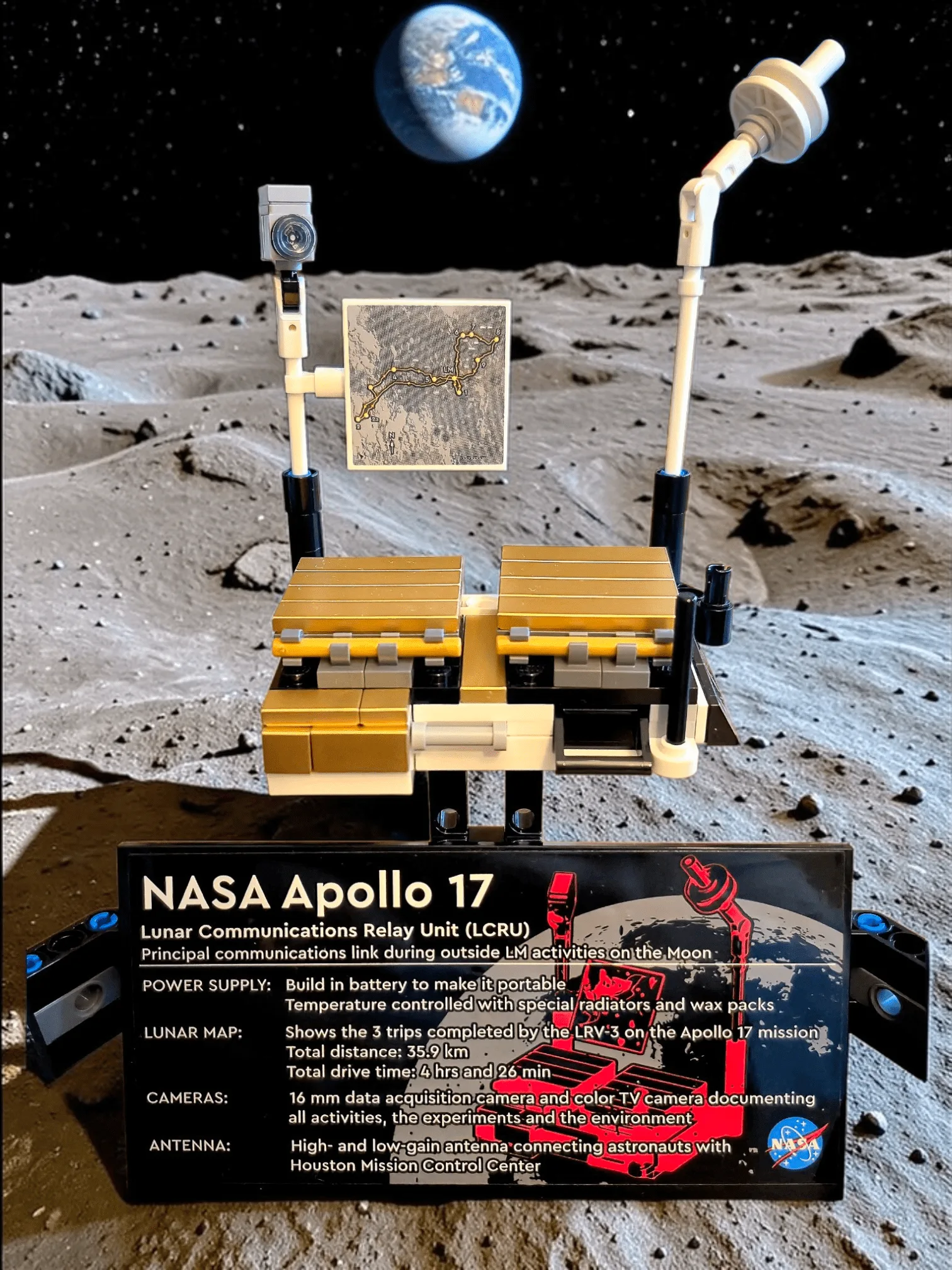
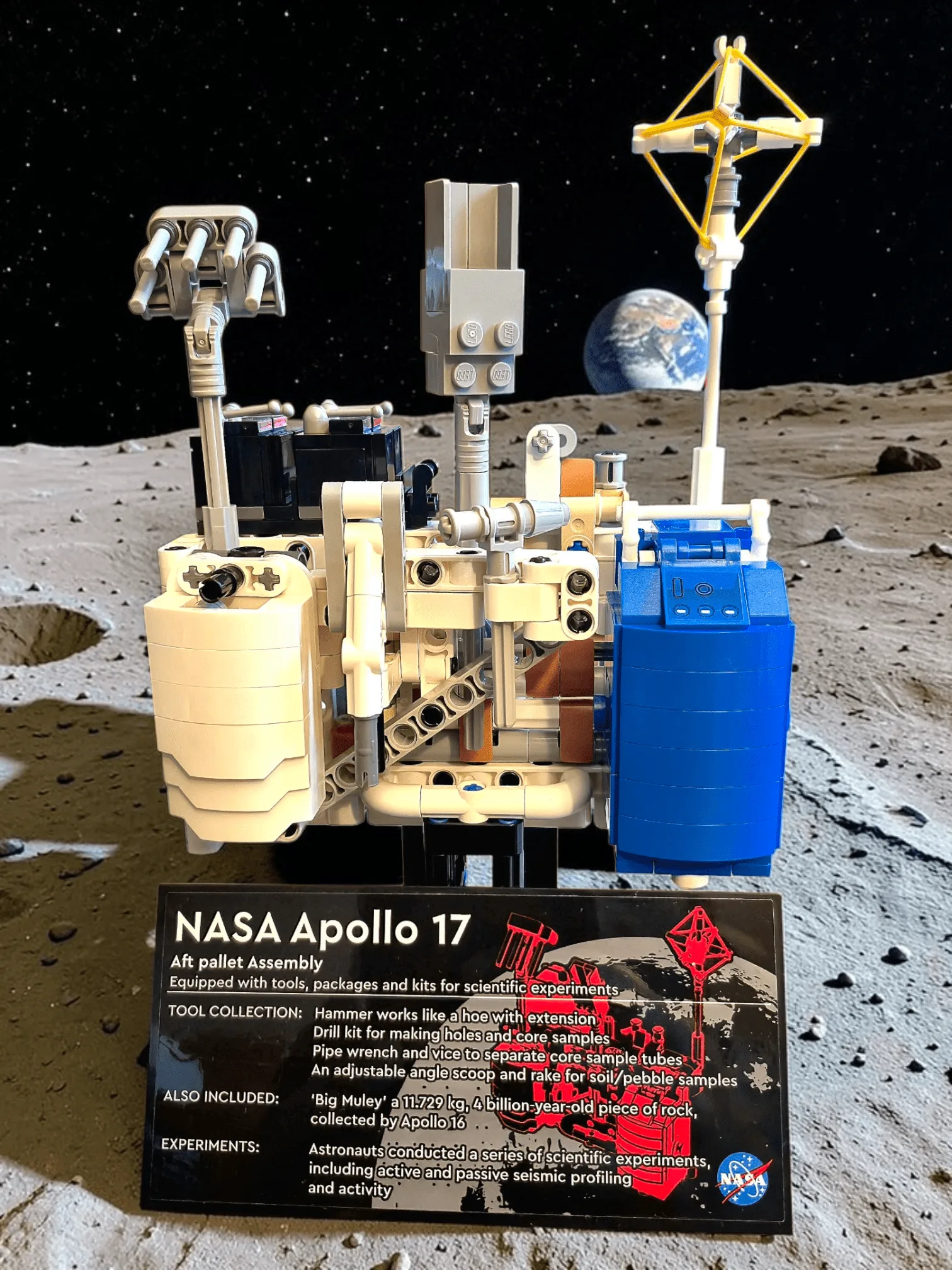
Aft Pallet Assembly:
Designed for geological surveys, this section features a drill, shovel, the Traverse Gravimeter Experiment, and even a tribute to “Big Muley”—the largest single lunar rock sample ever brought back to Earth.
The Build Experience and Display Value:
This is our third Technic set build we have undertaken at Free Car Mag; the previous build we carried out was the Ferrari Daytona SP3 which was substantially more complex with more pieces. You can read the story here.
We found this build actually very interesting, relaxing and enjoyable as the Lunar Rover is like a basic lightweight ‘skeleton’ of a car but just as interesting as any other Technic set. The LRV was designed for a ‘non-Earthly’ world, namely one-sixth gravity (compared to Earth), abrasive fine dust and extreme terrain, and the LRV is essentially a mobile science laboratory on wheels carrying lots of specialist tools and equipment for lunar exploration and rock harvesting.
Did we encounter any issues during the build and what could be better?
The final bag of parts (Bag 10) had three pieces missing but we swiftly put in a request to order the missing parts free of charge on the Lego website and they arrived within ten days, you can find the link here.
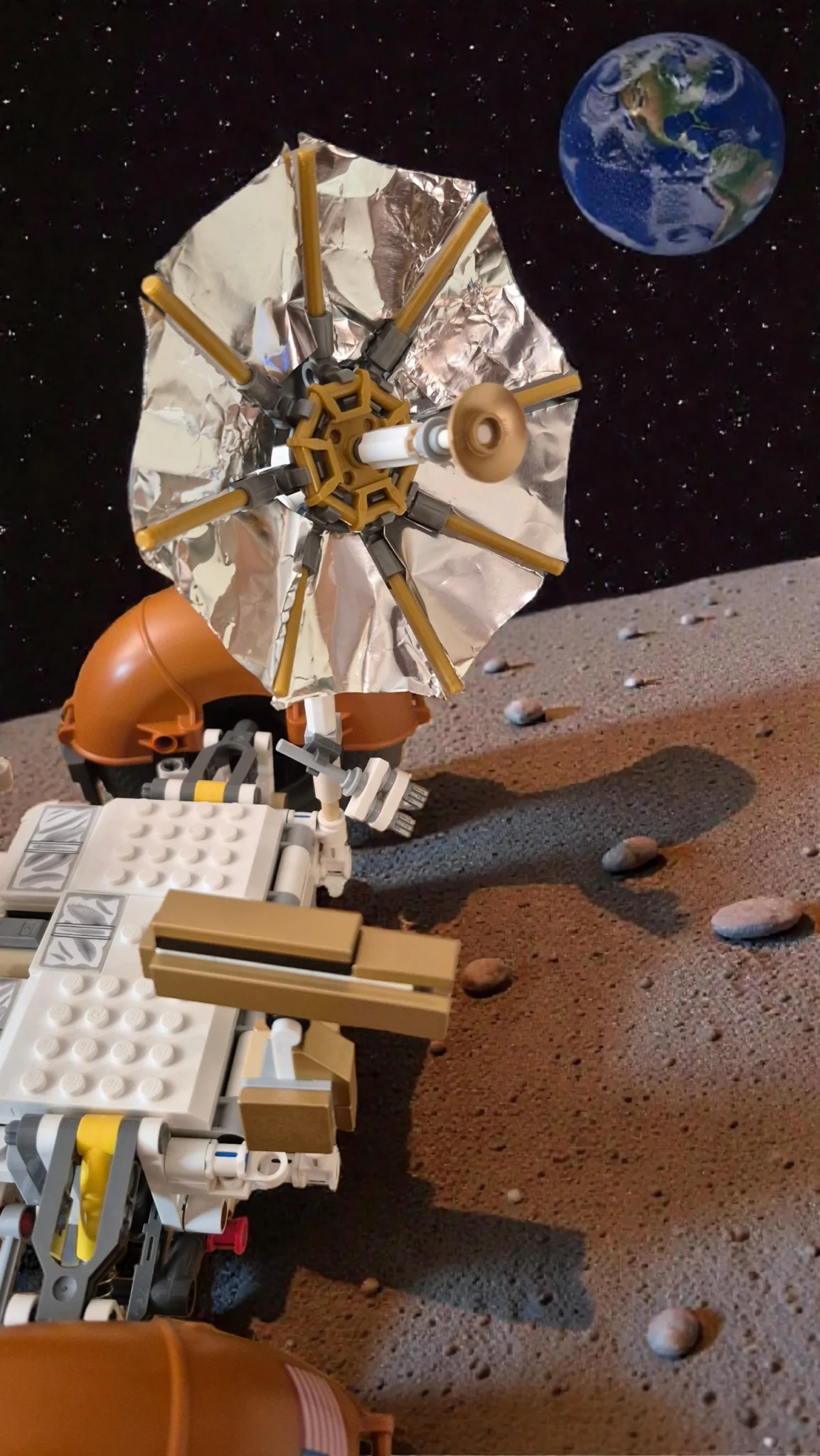
The ‘umbrella’ or ‘high-gain antenna’ which was used for transmitting high-quality television signals, voice, and data directly back to Earth looks like a pole with spikes on the Technic set. We thought we could do better! By using thick kitchen foil, we made a template and cut out triangles and stuck each ‘triangle’ in-between the spikes using ‘Invisible Magic Scotch tape’ to make this piece of equipment look far more realistic. Alternatively, you could use gold foil or spray paint the kitchen foil gold.
In real life, it was a parabolic reflector made of gold-plated wire mesh that could be folded for storage and deployed like an inverted umbrella once on the lunar surface. As this instrument was highly directional, astronauts had to manually aim it toward Earth using a sighting device whenever the rover was parked.
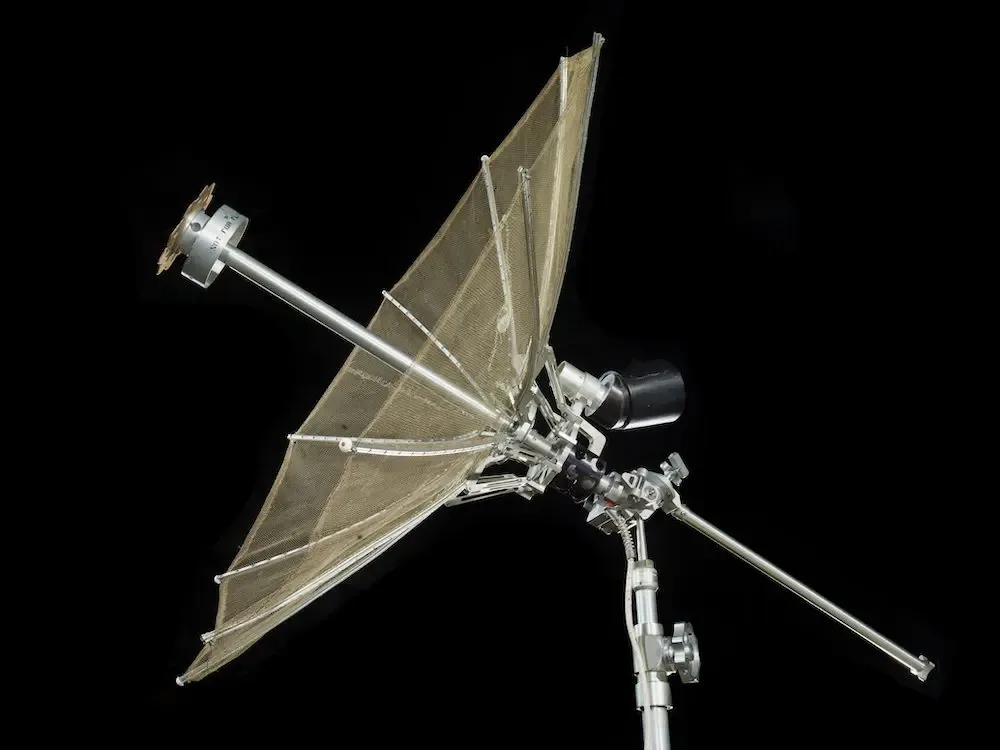
Lunar Rover Vehicle Qualification Test Unit (A19760746000) in Mary Baker Engen Restoration Hanger at Steven Udvar-Hazy Center in Chantilly, VA, December 19, 2019. (Smithsonian Photo by Mark Avino)
[20191219MA_0087] [NASM2020-00052]
Aimed specifically at adult builders, this project offers a complex, mindful building experience that requires patience and precision. The heavy use of Technic pins, beams, and gears provides a welcome challenge that will keep you engaged for hours.
If you are new to ‘Technic,’ here are a few Free Car Mag top tips; use a sorting organiser case to keep all parts secure and properly organised, purchase a good set of tweezers — they will be your best friend, a set of small needle-nose pliers also come in handy if you need to remove a pin from a hole, only open the correct bag at the correct time, the building manual will tell you when to open the appropriate bag and organise the pieces at this time into your sorting case.
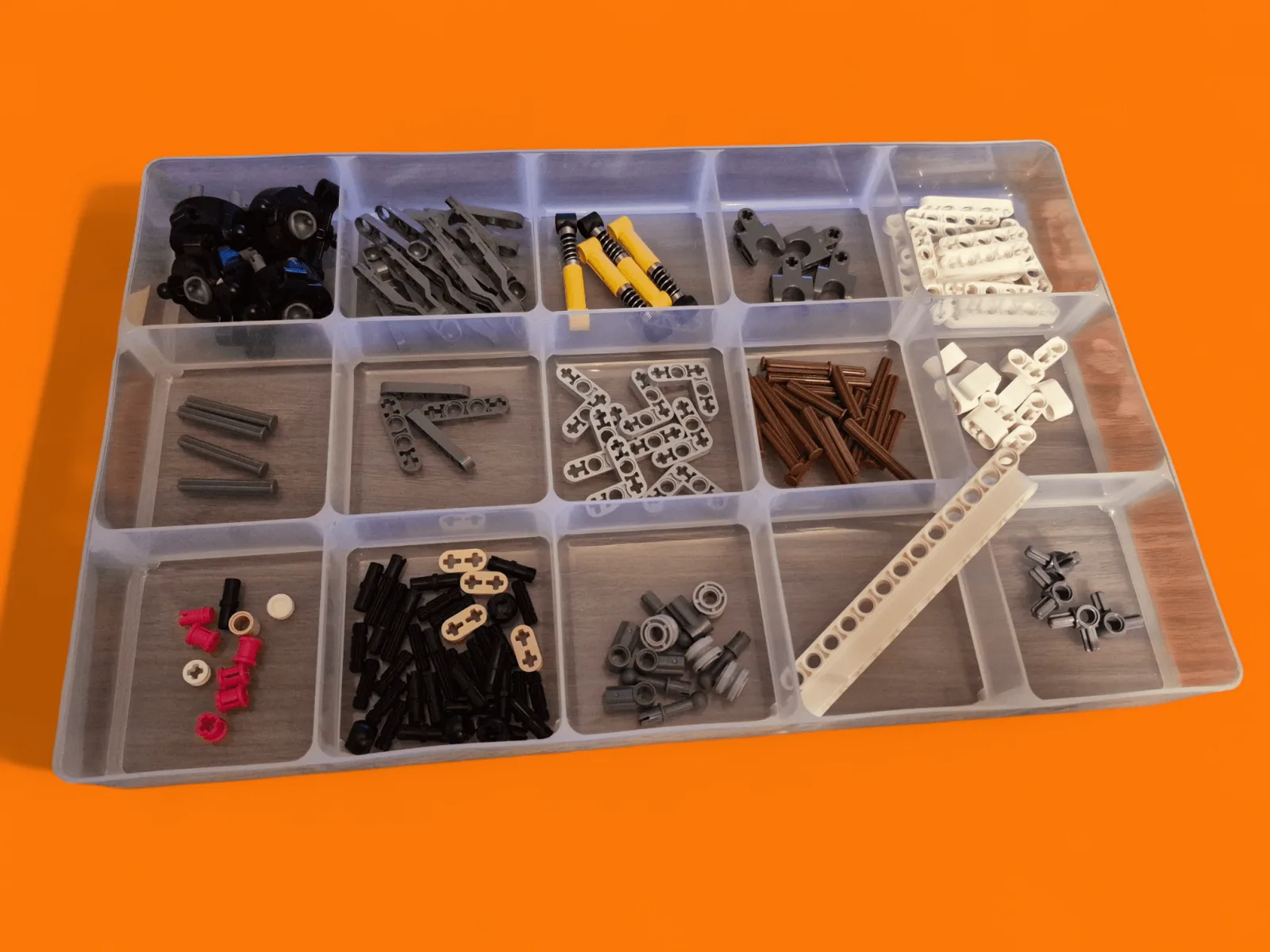
Work on a clean, flat, well lit, surface such as a desk or dining table, keep pets and small children supervised as these tiny pieces are an obvious choking hazard, and finally take your time and avoid rushing the project — if you find yourself making mistakes (every Lego builder does!) take a break and continue later on.
Once fully assembled, the LRV demands attention. Measuring over 15 inches long, 10 inches wide, and 5.5 inches high, it commands a significant amount of shelf space.
The inclusion of the modular informational plaques gives the finished product a premium, museum-quality feel, making it an exceptional show piece for any office or living room.
Whether you are a die-hard space history buff or a veteran Lego Technic builder, the LRV is a beautifully executed homage to an era when humanity first drove on another world. It might be one small plastic brick for man, but one giant set for Lego!
Listen to our Podcast