How Traffic Flow Shapes Car Accidents More Than Drivers Realize in Hattiesburg, MS
Posted by James Ruppert | Jul 30, 2026 | Accident, Articles, Driving, Safety
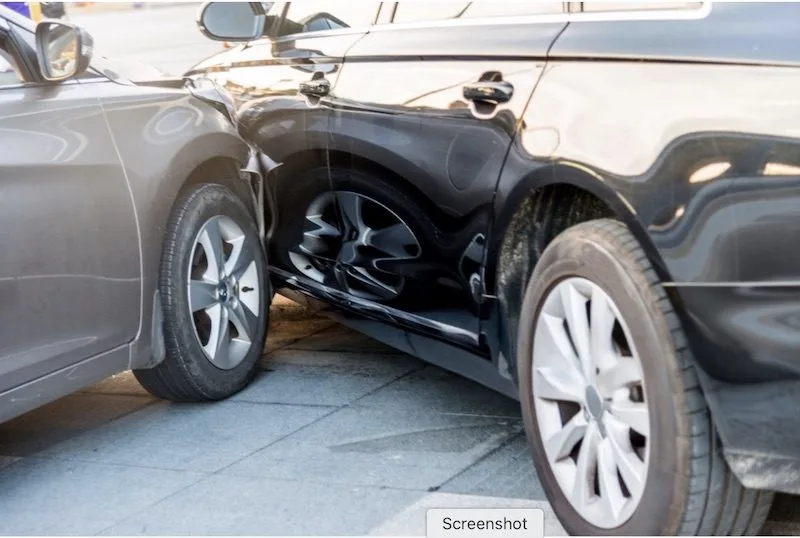
Busy roads tell a story long before a crash ever happens. Every vehicle joins a moving system where speed, spacing, and timing constantly change. A driver may be careful, yet the traffic around them can suddenly shift and create unexpected pressure. That is why many collisions are influenced by more than one person’s actions. Roads across Hattiesburg, MS, experience these changing traffic patterns every day as drivers travel to work, school, and local businesses.
A car accident lawyer in Hattiesburg, MS, often reviews these wider traffic conditions because they can reveal much more than the final point of impact. There is plenty worth noticing here.
Traffic Is Constantly Changing, Even Without Congestion
Many people think traffic only becomes difficult during heavy congestion. In reality, traffic keeps changing even on roads that seem calm. Vehicles enter from side streets, leave through exits, slow for turns, and speed up after traffic lights. Every movement changes the flow around nearby drivers.
Hattiesburg, MS, has roads where traffic changes throughout the day instead of staying the same. A road that feels open one minute can quickly become busy as vehicles gather near shopping areas, schools, or major intersections. Drivers must keep adjusting to these changes because the road never stays completely predictable.
The Small Changes That Can Build Into Bigger Crash Risks
Uneven Speeds Between Vehicles
Not every driver travels at the same speed. One vehicle may move well below the speed limit while another tries to catch up with traffic. These different speeds often lead to sudden braking or quick lane changes that affect everyone nearby.
Even careful drivers can struggle if several vehicles react differently at the same time. A small difference in speed may seem harmless at first, yet it can create confusion that spreads through several lanes.
Frequent Lane Switching
Changing lanes is part of everyday driving, but doing it too often interrupts the natural movement of traffic. Every lane change asks nearby drivers to adjust their speed or position.
Repeated lane switching also reduces the space between vehicles. As available space becomes smaller, drivers have less time to react if something unexpected happens ahead.
Short Following Distances
Leaving enough space behind another vehicle gives drivers extra time to respond. Following too closely removes that safety margin.
Traffic often slows without warning because of turning vehicles, traffic lights, or merging cars. A short following distance makes it much harder to avoid hitting the vehicle ahead, especially if several drivers brake together.
Places Where Traffic Flow Naturally Becomes More Complicated
Some locations create more traffic movement than others because vehicles constantly enter, leave, or change direction.
- Busy intersections with frequent turning traffic.
- Highway entrance and exit ramps.
- Roads near shopping centers and business districts.
- Construction zones with temporary lane changes.
- School zones during arrival and dismissal hours.
These places ask drivers to make more decisions within a shorter distance. Traffic rarely moves in one steady pattern, making careful attention even more important.
Why One Driver’s Decision Can Affect Everyone Nearby
Traffic works like a connected system instead of separate vehicles traveling alone. One sudden brake or unexpected lane change can quickly affect drivers who are several cars behind.
A driver may slow to avoid another vehicle, forcing the next driver to brake harder. Someone farther back may not notice the slowdown quickly enough, creating a chain reaction that involves several vehicles. These crashes often appear to happen all at once, but they usually begin with a series of small actions that build on each other.
Road conditions, traffic signals, and the number of vehicles nearby can make these reactions happen even faster. Looking at only one driver’s actions may not tell the complete story.
Paying Attention to Traffic Patterns Instead of Individual Cars
Watching the vehicle directly ahead is important, but paying attention to the overall movement of traffic gives drivers a better picture of what may happen next.
Looking farther down the road helps drivers notice slowing traffic before reaching it. Watching nearby lanes also makes it easier to recognize vehicles preparing to merge or change direction. These habits create smoother driving decisions instead of sudden reactions.
Drivers who understand traffic patterns often have more time to adjust safely because they notice changes before they reach their own lane.
Conclusion
After a serious collision, investigators usually study much more than vehicle damage. They may review traffic signal timing, roadway layout, traffic flow, witness statements, camera footage, and vehicle positions to understand how the crash developed. These details can help explain why several drivers reacted the way they did and whether changing traffic conditions played a role.
For someone seeking guidance after a collision, a car accident lawyer in Hattiesburg, MS, may also consider these surrounding traffic factors while reviewing the available evidence. Looking at the complete roadway picture often provides a better understanding than focusing only on the final collision itself.