How Driving Habits Can Affect Porsche Performance
Posted by James Ruppert | Oct 17, 2026 | 4 x 4, Porsche, Driving, Performance
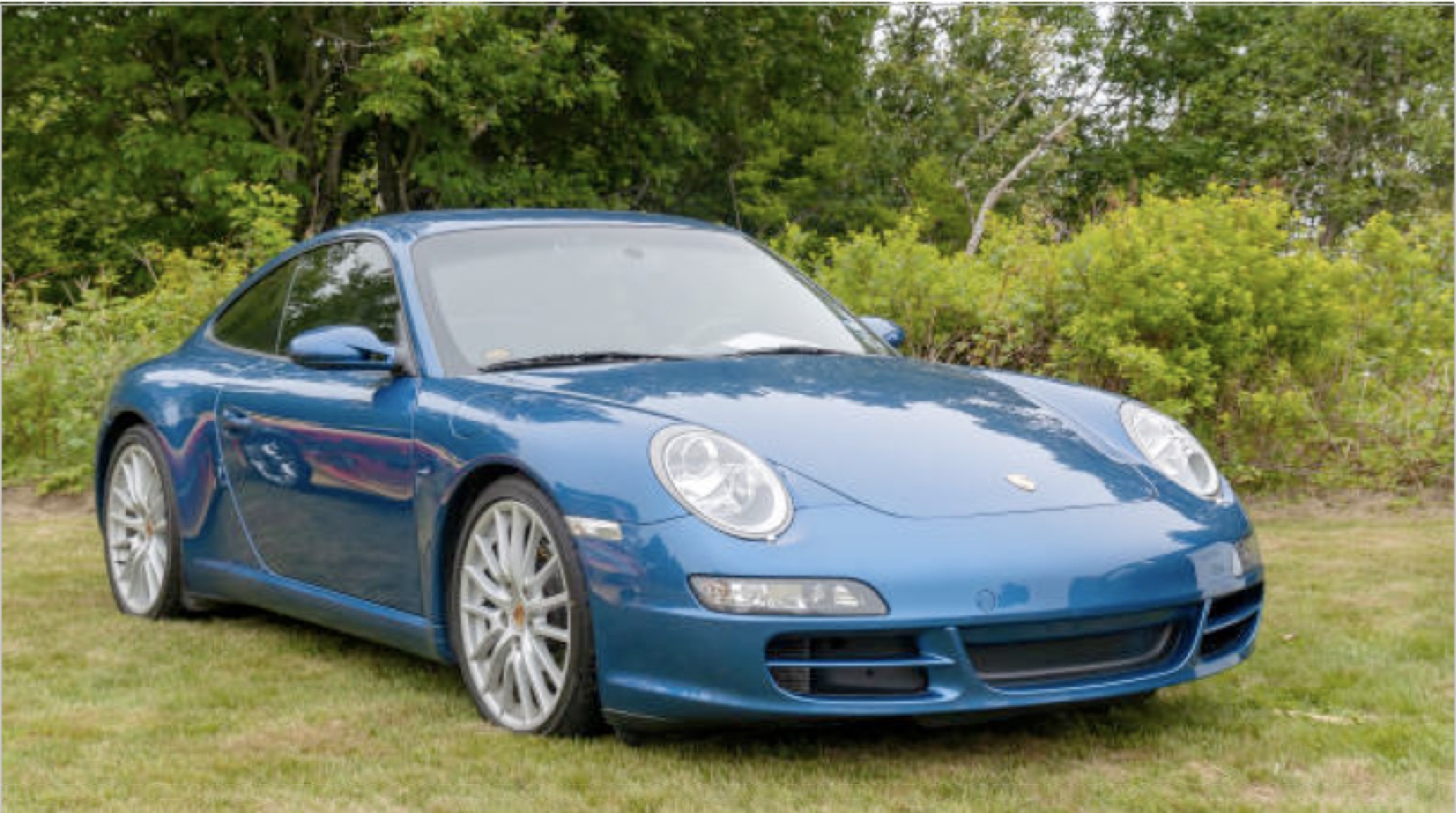
Driving habits can have a significant effect on Porsche performance, affecting everything from engine condition and braking components to tire wear and fuel efficiency. Tacoma is a city where drivers encounter a mix of urban streets, highways, hills, and changing traffic conditions.
These different driving environments can place varying demands on a performance-oriented vehicle. For Porsche owners looking for a Porsche specialist in Tacoma, understanding how everyday driving behavior affects the vehicle can help protect its performance and identify maintenance needs earlier.
Aggressive Acceleration Can Increase Wear
Porsches are designed to deliver strong acceleration, but repeatedly accelerating aggressively when the engine is cold can place unnecessary stress on mechanical components.
Allowing the engine to reach an appropriate operating temperature before demanding high performance can help reduce unnecessary strain. Once the vehicle is warmed up, its systems are better prepared to operate under the conditions for which they were designed.
Occasional spirited driving is different from consistently driving aggressively in everyday traffic. How frequently the vehicle is subjected to hard acceleration can influence maintenance and component wear over time.
Hard Braking Affects Brake Components
Performance vehicles are equipped with braking systems designed to handle demanding conditions, but driving behavior still affects brake wear.
Frequent hard braking, particularly in stop-and-go traffic, can increase wear on brake pads and rotors. Drivers who anticipate traffic and gradually reduce speed when appropriate may put less unnecessary stress on the braking system.
If you notice squealing, vibration, reduced braking response, or changes in pedal feel, schedule an inspection rather than continuing to drive without investigating the issue.
Tire Care Plays a Major Role
Tires are one of the most important connections between a Porsche and the road. Driving habits can influence how quickly tires wear and whether that wear is even across the tread.
Rapid acceleration, sharp cornering, and frequent hard braking can increase tire wear. Driving over potholes, rough surfaces, and road debris can also affect tires and wheels.
Checking tire pressure regularly is another simple way to support proper handling and performance. Follow the vehicle manufacturer’s recommended pressure rather than relying on a general number.
Short Trips Can Affect Maintenance Needs
Frequent short-distance driving can create different maintenance considerations than longer trips. When a vehicle is repeatedly driven for only a few minutes, some systems may not have enough time to reach normal operating conditions.
Porsche owners should follow the recommended maintenance schedule and discuss their typical driving patterns with their technician. A vehicle that is primarily used for short urban trips may have different service considerations from one regularly driven on highways.
Keeping track of mileage and scheduled maintenance can help prevent routine services from being overlooked.
Driving Conditions Matter in Tacoma
Tacoma drivers encounter changing road conditions throughout the year. Rain, wet roads, hills, traffic congestion, and occasional rough pavement can all affect how a vehicle performs.
Drivers should adjust their habits to the conditions rather than relying solely on the vehicle’s performance capabilities. Smooth acceleration, controlled braking, and appropriate speeds can help reduce unnecessary stress on tires, brakes, and suspension components.
Porsche vehicles are engineered for performance, but responsible driving remains an important part of keeping that performance available when you need it.
Regular Inspections Can Catch Problems Early
Even careful drivers cannot prevent every mechanical issue. Components eventually wear, and electronic or mechanical problems can develop without obvious warning.
Regular inspections allow technicians to check important systems and identify developing problems before they become more complicated. During an inspection, a technician may evaluate brakes, tires, suspension components, fluids, belts, and other systems depending on the vehicle and its service schedule.
If your Porsche begins behaving differently, explain the symptoms clearly when scheduling service. Details about when the problem occurs and what you were doing when you noticed it can help with diagnosis.
Choosing the Right Service Approach
A Porsche requires maintenance procedures and parts appropriate for its specific design. When researching a Porsche specialist in Tacoma, consider whether the repair facility understands Porsche systems, uses appropriate diagnostic equipment, and follows suitable service procedures.
A knowledgeable technician can also help you understand how your driving habits affect maintenance needs. This can be particularly valuable for owners who use their Porsche both for daily transportation and recreational driving.
Key Takeaways
-
Aggressive acceleration before the engine warms up can increase unnecessary mechanical stress.
-
Frequent hard braking can contribute to faster brake component wear.
-
Acceleration, cornering, braking, and road conditions can all affect tire life.
-
Frequent short trips may create different maintenance considerations than longer drives.
-
Tacoma’s wet roads, hills, traffic, and rough pavement can influence vehicle wear.
-
Regular inspections can help identify developing problems before they become more serious.
-
A technician familiar with Porsche vehicles can provide maintenance guidance based on your driving habits.