Hidden Collision Damage: 7 Signs a Used Car May Have Structural Damage
Posted by James Ruppert | Oct 3, 2026 | Accident, Buying Used, Used Cars, Car Repairs
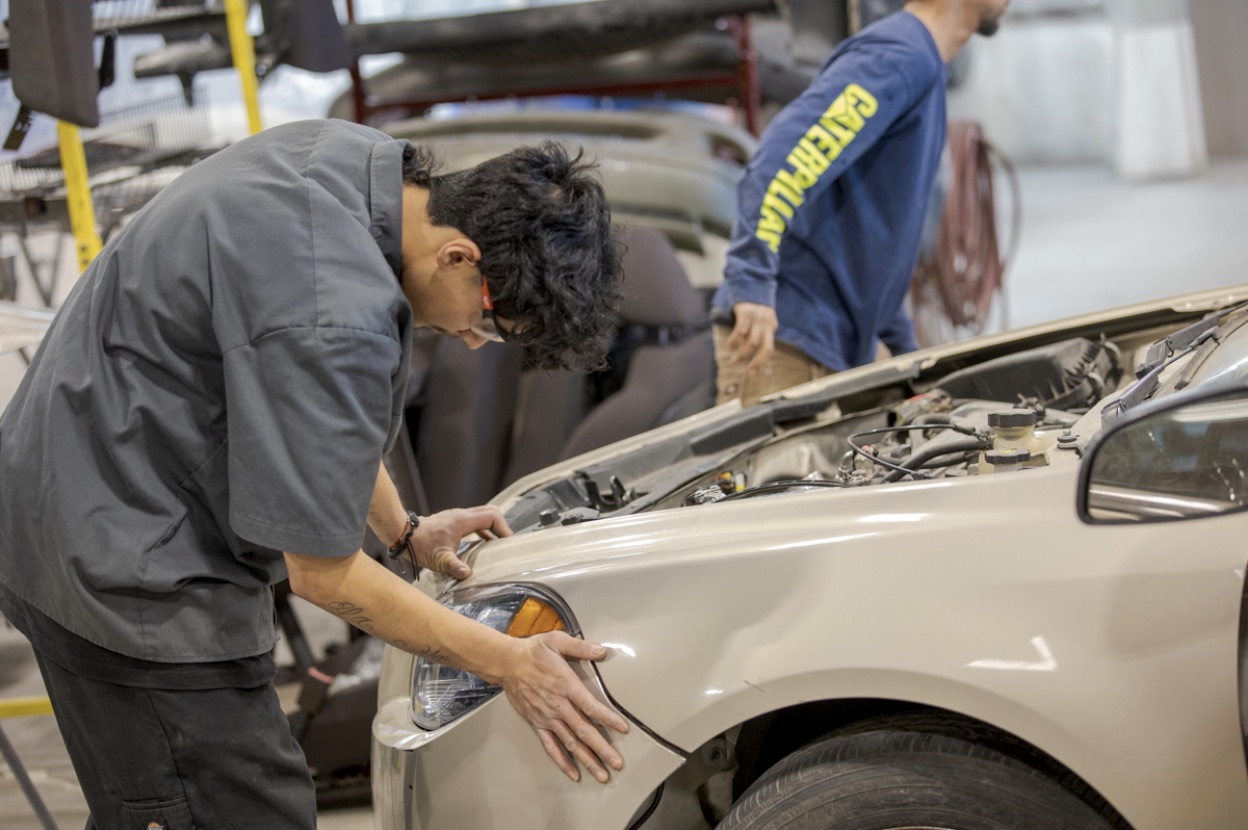
A used car can look clean, drive well on a short test drive, and still have signs of an old accident hiding under the surface.
A repaired bumper or fender does not always mean there is a serious problem. Many cars have had minor body work at some point. What matters is how hard the car was hit, what parts were damaged, and whether the repairs were done correctly.
Structural damage deserves extra attention. It can affect the parts of the vehicle that support the body, suspension, steering, and other major systems.
The good news is that you do not need to be a collision repair expert to spot reasons for a closer inspection.
Here are seven signs worth checking before buying a used car.
1. The Panel Gaps Do Not Match
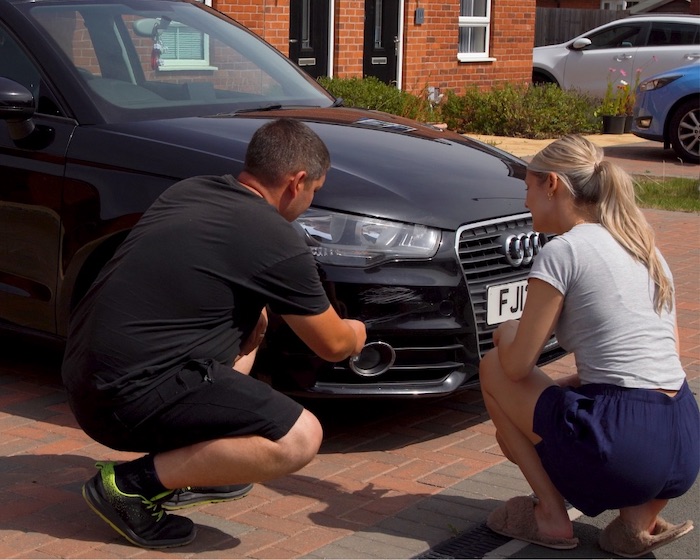
Start by walking around the car slowly.
Look at the spaces around the hood, doors, trunk, fenders, and headlights. The gaps should usually look even from one side to the other.
One side should not have a large space while the other side is tight.
Uneven gaps can happen after body panels have been removed or replaced. They can also appear when an accident moves the structure underneath those panels.
This does not prove the car has frame damage. A poorly adjusted door or replacement fender can create the same problem.
Still, several uneven gaps in the same part of the car are worth checking.
Pay close attention to the area around the point where the car may have been hit.
2. One Part of the Paint Looks Different
Look at the vehicle outdoors during the day if possible.
Stand several feet away and compare the paint on each panel. Look at the car from different angles.
A repaired area may have a slightly different shade, shine, or texture.
You may also notice paint on rubber trim, weather seals, plastic parts, or inside the edge of a door. This is sometimes called overspray.
Different paint does not mean the repair was bad. A quality body shop can repair and repaint accident damage correctly.
The question is why the panel was painted.
If you find fresh paint on one side of the car, look more closely at the doors, fenders, wheels, tires, and panel gaps in that area.
3. The Doors, Hood, or Trunk Do Not Close Normally
Open and close each door.
Do the same with the hood and trunk.
They should open without catching and close without needing extra force.
A door that sits too high, drops when opened, or needs to be slammed may simply need an adjustment. It can also be a clue that something around it has moved.
The same applies to a hood or trunk lid that looks crooked when closed.
Try comparing both sides of the vehicle. A small difference is easier to notice when you have another side to use as a reference.
A group of problems in one area, such as uneven gaps, strange paint, and a door that does not fit correctly, gives you more reason to ask questions about past repairs.
4. The Car Pulls to One Side
A test drive can reveal problems that are hard to see while the car is parked.
On a safe, fairly flat road, notice whether the car wants to move left or right while you are driving straight.
Also look at the steering wheel. Does it sit straight when the car is traveling straight?
Pulling can have many causes. Tire pressure, wheel alignment, worn suspension parts, and road slope can all affect how a car tracks.
Past collision damage is another possibility.
A hard impact can move structural or suspension mounting points. That is one reason a visual inspection alone cannot always tell you whether the vehicle structure is still where it should be.
I-CAR, which provides collision repair training, explains that structural technicians use measurements as part of finding and repairing this type of damage.
5. The Tires Are Wearing Unevenly
Do not just check how much tread is left.
Look across the full width of each tire.
One edge may be much more worn than the other. You may also see one tire that looks very different from the tire on the opposite side.
Uneven tire wear often points to an alignment, steering, suspension, or tire problem.
It does not automatically mean the car has structural damage.
But if the seller says the car was in an accident, and you also find uneven tire wear and a vehicle that does not track straight, it makes sense to have the car checked before buying it.
The cost of an inspection is small compared with finding a major problem after the sale.
6. There Are Signs of Repair Under the Car
Some clues are easier to find underneath the vehicle than on the painted body.
You do not need to crawl under a car in an unsafe place. A qualified mechanic can put the vehicle on a lift and inspect areas that are difficult to see from the ground.
They can look for bent metal, unusual welds, damaged mounting points, fresh coatings, replaced structural parts, or signs that something has been pulled or straightened.
Modern cars can make this harder than it sounds.
Most passenger cars and many crossovers use a unibody design, where much of the body and structure work together instead of sitting on a separate traditional frame. CARFAX notes that structural damage can involve the vehicle’s underlying chassis or structure, not just the parts you can easily see from outside.
If structural damage is suspected, measurements can tell a repair technician far more than a quick look.
For drivers in Arizona, the One Stop Collision Repair car frame repair service in Phoenix uses computerized measuring to check structural points before deciding what type of repair may be needed. Their process includes measuring the vehicle, checking damaged areas against manufacturer information, and measuring again after structural work.
7. The Vehicle History and the Car Do Not Tell the Same Story
Always check the vehicle identification number, or VIN, and get a vehicle history report before buying when possible.
A history report may show reported accidents, title information, mileage records, salvage history, or previous repairs.
But do not stop there.
The Federal Trade Commission says a vehicle history report is not a replacement for an independent inspection. Some damage or mechanical problems may never appear in the report.
This is where the car itself matters.
Suppose the report shows no accident, but you find mismatched paint, unusual panel gaps, replaced body parts, and signs of repair underneath. Those clues deserve an explanation.
The opposite can also happen.
A report may show an accident, while the car now looks and drives normally. That does not automatically make it a bad vehicle. Ask what was damaged, where it was repaired, and whether records from the repair are available.
Accident History Does Not Always Mean Walk Away
Finding out that a used car has been in an accident can be worrying, but accident history alone does not tell you whether the car is worth buying.
There is a large difference between a scratched bumper and major structural damage.
There is also a large difference between a repair completed using the right measurements and procedures and one that was simply made to look good from the outside.
Ask the seller for repair records if they have them.
Find out what part of the vehicle was hit and what was replaced or repaired.
Then have an independent technician inspect the vehicle before you make your decision.
The FTC recommends an independent inspection even when a dealer has already inspected or certified the car.
A Clean Exterior Is Only the Beginning
A shiny paint job can tell you how a car looks today. It cannot tell you everything that happened during the years before you found it for sale.
Check the history, look closely at the body, take a proper test drive, and pay attention when several small warning signs appear in the same area.
If something does not add up, get the vehicle inspected before money changes hands.
A little extra checking before you buy can tell you much more than a quick walk around the lot.