How to Evaluate Ford Interior Comfort and Passenger Space
Posted by James Ruppert | Nov 26, 2026 | Ford, SUV, Interior, Space
Interior comfort and passenger space can have a major influence on how enjoyable a vehicle is over time. Whether a Ford is used for daily commuting, family transportation, weekend travel, or work-related trips, its cabin should provide enough room and support for everyone on board. However, comfort involves more than choosing a vehicle with large seats or impressive dimensions. Seat design, legroom, headroom, climate controls, storage, cabin layout, and ease of entry all contribute to the experience. Comparing these details at a Ford dealership near Chesterfield, MO can help shoppers understand which model and configuration best match their everyday needs.
Begin with Your Passenger and Travel Needs
Before evaluating individual Ford models, consider who will regularly ride in the vehicle. A single driver or couple may be comfortable with a compact vehicle, while a larger household may need additional seating and more generous rear-passenger space.
Think about how often you carry passengers and how long they typically spend in the vehicle. Short trips around town may require less rear-seat flexibility than regular highway journeys. Families with children may need convenient access to child-seat attachment points, while households that frequently travel with adults should pay closer attention to legroom and seating comfort.
It is also useful to consider occasional passengers. A vehicle that comfortably accommodates everyone during an ordinary commute may feel cramped when the entire family travels together with luggage.
Compare Front-Seat Comfort and Adjustability
The driver’s seat deserves particular attention because it directly affects the daily driving experience. A comfortable seating position can help reduce fatigue during longer journeys and make it easier to maintain control of the vehicle.
Check the available seat adjustments, including seat height, recline, lumbar support, and forward or backward movement. Drivers with different body types may need different settings, so a seat that feels comfortable to one person may not suit another.
Passenger seats should receive similar attention. Consider whether the front passenger can adjust the seat easily and whether there is enough legroom without feeling restricted by the dashboard or center console.
During a test drive, adjust the seat and steering wheel before evaluating the cabin. Make sure your legs have comfortable clearance, your arms can reach the controls naturally, and the headrest provides appropriate support.
Evaluate Rear-Seat Legroom and Headroom
Rear-seat comfort is essential for families and anyone who regularly transports passengers. Published measurements can help compare Ford models, but sitting in the actual vehicle provides a better understanding of usable space.
Legroom determines how comfortably passengers can position their feet and knees. Headroom is equally important, especially for taller occupants. Shoulder room and hip room also influence whether passengers can sit naturally without feeling crowded.
The Ford Escape offers a compact SUV layout that can suit smaller households and everyday transportation needs. The Ford Explorer provides three rows of seating, giving families more flexibility when additional passengers need to travel. The larger Ford Expedition offers another option for shoppers who prioritize generous passenger accommodations.
When comparing models, have someone sit in the rear seat while the front seats are adjusted for the driver’s normal position. This helps reveal whether the cabin provides enough room for everyone.
Understand Seating Configurations and Passenger Access
Seating capacity does not tell the entire story about interior practicality. The arrangement of seats and the ease of reaching each row can be just as important.
Three-row SUVs such as the Ford Explorer and Expedition are designed to accommodate larger groups. However, shoppers should examine how passengers enter the third row and how much room remains when all seats are occupied.
Look at second-row movement, folding mechanisms, and available access features. If children or older passengers frequently use the third row, easy entry and exit may become an important consideration.
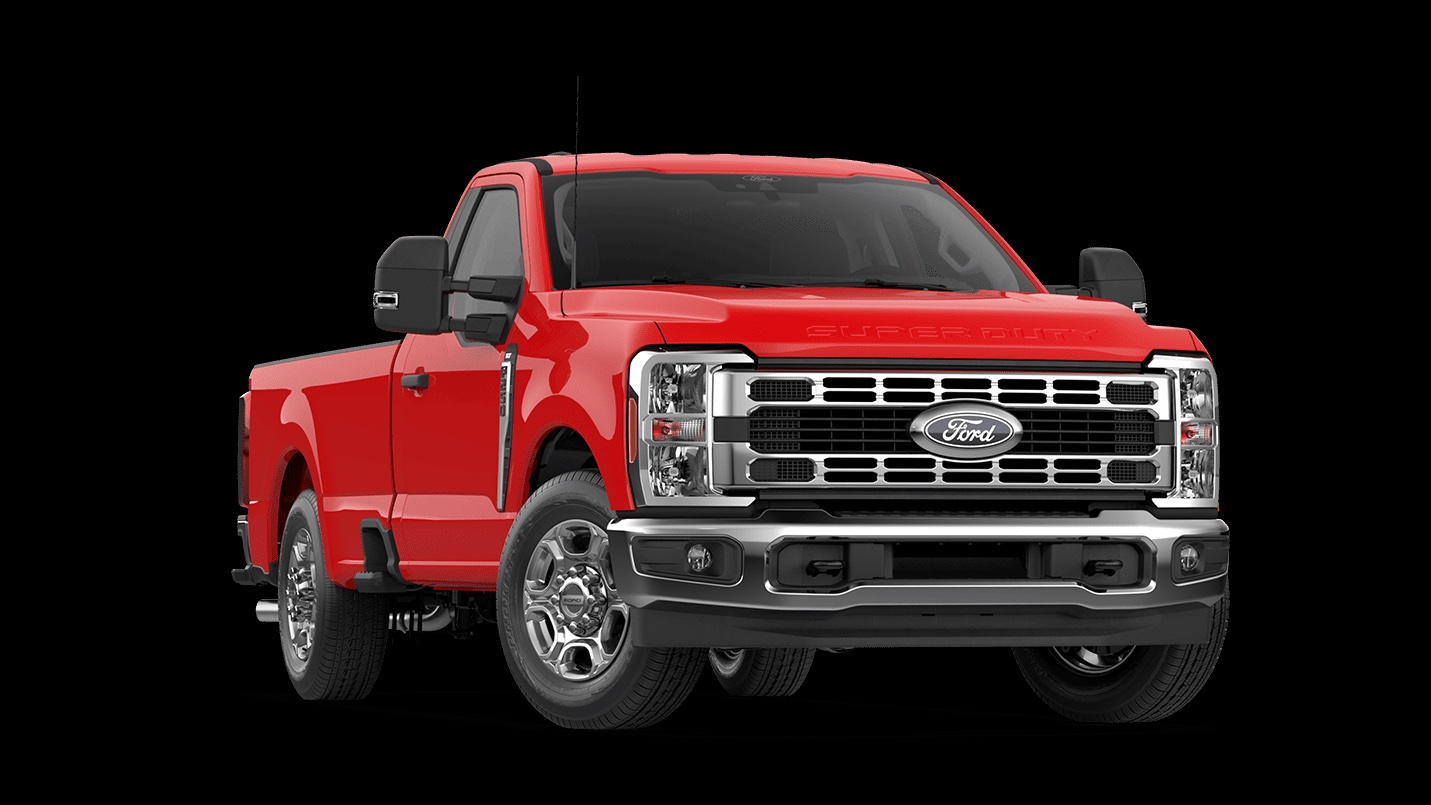
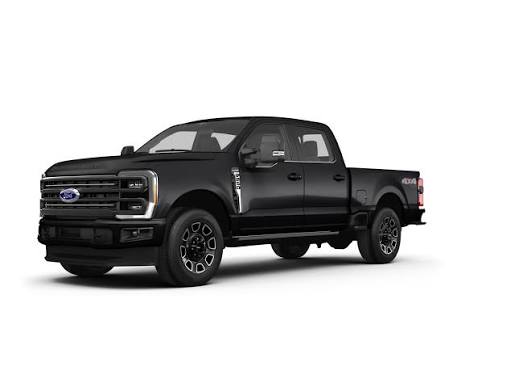
Pickup trucks also offer different cabin arrangements. Ford F-150 configurations, for example, can vary in rear-seat availability and space depending on the cab style. Compare the exact configuration rather than assuming every truck provides the same passenger accommodations.
Examine Seat Materials and Cushioning
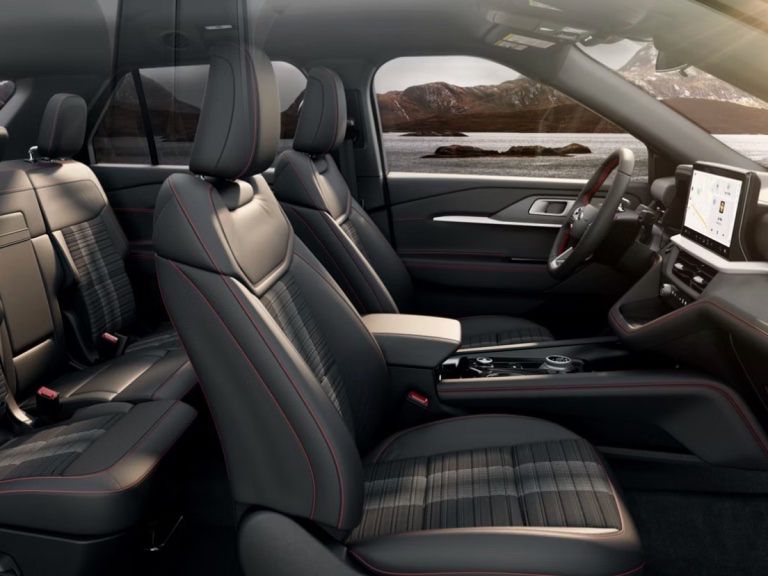
Seat materials influence both appearance and everyday comfort. Ford interiors may offer cloth, leather-trimmed, or other upholstery options depending on the model and trim level.
Cloth seating can provide a familiar, practical surface for everyday use. Leather-trimmed seating may offer a different appearance and can be easier to wipe clean, although care requirements vary by material. Shoppers should consider how each option feels and how much maintenance it may require.
Cushioning and seat shape matter just as much as upholstery. Sit in each row for several minutes and notice whether the seat supports your thighs, lower back, and shoulders. Check the firmness of the cushions and whether the backrest angle feels natural.
If possible, compare multiple trims of the same model. Different seat designs and available adjustments can create noticeably different experiences.
Check Climate Control and Cabin Convenience
A comfortable interior should make it easy for occupants to maintain a pleasant environment. Climate-control systems, ventilation, and available heating features can improve comfort during changing weather conditions.
Look at how the controls are arranged and whether they are simple to operate. Dual-zone climate control can allow the driver and front passenger to select different temperature settings, while available rear air vents can help distribute airflow to passengers in the back.
Other convenient features may include USB charging connections, accessible cupholders, storage compartments, and adjustable armrests. These details might seem minor during a quick showroom visit, but they can make a meaningful difference during longer journeys.
Check whether rear passengers can reach charging ports and whether personal items can be stored without interfering with seating space.
Assess Cabin Noise and Ride Comfort
Interior comfort is not limited to the seats. Road noise, engine sound, and suspension behavior can influence how relaxing a journey feels.
During a test drive, listen for excessive tire noise and vibrations on different road surfaces. Pay attention to how the vehicle handles bumps, uneven pavement, and highway expansion joints. A smooth ride can make long trips more enjoyable for both drivers and passengers.
Also consider how easily passengers can communicate inside the cabin. Excessive wind or road noise may make conversations difficult, particularly during highway travel.
Compare the experience across different Ford models and trims. Vehicle size, tire selection, suspension setup, and equipment can all influence the overall cabin environment.
Evaluate Storage Space and Interior Layout
Passenger comfort often depends on how well the cabin accommodates personal belongings. A vehicle may offer generous seating space but still feel cluttered if there are not enough convenient storage areas.
Inspect the center console, glove compartment, door pockets, seatback storage, and available rear storage compartments. Consider where passengers can place phones, water bottles, bags, and other everyday items.
For families, flexible storage can help keep toys, snacks, and travel essentials organized. Pickup truck owners may also appreciate interior compartments for keeping smaller tools and personal belongings secure.
Check the cargo area as well. If all passenger seats are occupied, determine whether enough room remains for groceries, luggage, or sports equipment. Folding rear seats can provide additional flexibility when fewer passengers are traveling.
Consider Technology and Driver-Friendly Controls
Modern vehicle technology can contribute to a more convenient cabin. Infotainment displays, smartphone connectivity, voice controls, and available navigation features can make everyday travel easier.
However, technology should be straightforward to use. Examine the screen position, menu organization, physical controls, and steering-wheel buttons. Drivers should be able to understand essential functions without becoming distracted.
Rear passengers may also benefit from available charging connections and other convenience features. Compare the equipment included with each trim level because some amenities may be optional rather than standard.
Test the Interior Before Making a Decision
A showroom inspection and test drive provide the best opportunity to evaluate real-world comfort. Bring family members or frequent passengers whenever possible. Have everyone sit in their usual positions and check whether the available space meets their expectations.
If you regularly use child safety seats, bring the actual seats and review the vehicle and child-seat instructions before testing their installation. Families who travel with strollers or bulky luggage can also check how those items fit in the cargo area.
Try entering and exiting every row, adjusting the seats, operating the climate controls, and accessing storage compartments. These practical checks can reveal details that photographs and specification sheets cannot fully communicate.
Conclusion
Evaluating Ford interior comfort and passenger space requires attention to seating, legroom, headroom, cabin layout, materials, climate control, storage, and ride quality. Different models and configurations serve different needs, so the most spacious option is not automatically the most suitable. By identifying regular passenger requirements, comparing available features, and spending time inside the vehicles, shoppers can make a confident decision. A comfortable Ford should provide the space and convenience needed to make everyday commutes, family outings, and longer journeys more enjoyable.