Honda CR-V Road Noise and Cabin Comfort on Longer Journeys
Posted by James Ruppert | Nov 26, 2026 | Honda, CRV, Comfort, NVH
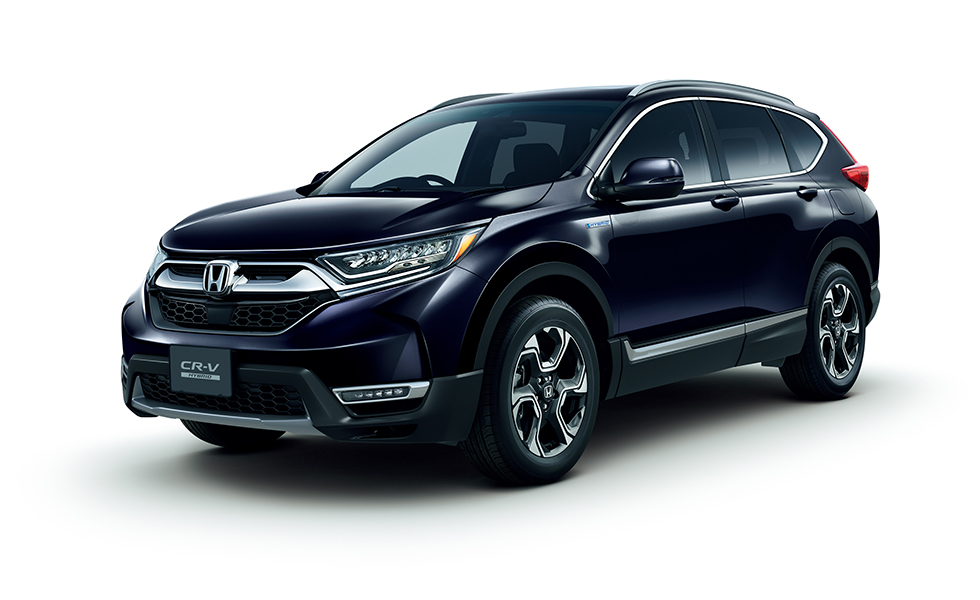
Long-distance driving can become tiring when road noise, uncomfortable seating, and constant vibrations affect the cabin experience. For commuters and families who regularly travel between cities, a quiet interior and comfortable ride can make a noticeable difference. The Honda CR-V is designed with several features that support a pleasant driving environment, making it worth considering for drivers who spend considerable time on the road.
When comparing a Honda CR-V for sale in Christiansburg, VA, it is helpful to evaluate more than exterior styling and fuel economy. Understanding its noise-reduction measures, seating arrangements, suspension design, and climate features can help determine whether the SUV suits longer journeys.
Sound Insulation Helps Reduce Road Noise
Road noise often comes from tires contacting pavement, air moving around the vehicle, and vibrations traveling through the chassis. Honda uses several sound-control measures in the CR-V to help limit unwanted noise entering the cabin.
Depending on the model year and trim, these measures may include sound-absorbing floor materials, insulated body panels, improved door seals, and noise-reducing components around the wheel areas. Some versions also feature acoustic glass designed to help reduce outside noise.
These details can make highway conversations and music listening more comfortable. However, the level of sound insulation varies across generations and equipment packages.
Active Noise Cancellation Supports a Quieter Cabin
Certain Honda CR-V models feature Active Noise Cancellation technology. This system uses the vehicle’s audio speakers to produce sound waves that help counter unwanted low-frequency engine and road noise.
The technology works in the background without requiring drivers to adjust settings during normal operation. It complements the vehicle’s physical insulation materials to create a more controlled cabin environment.
When comparing different CR-V model years, check whether Active Noise Cancellation is included. Its availability and implementation may vary depending on the vehicle configuration.
Suspension Design Helps Manage Uneven Roads
A comfortable ride depends on how effectively a vehicle absorbs bumps and manages movement over different road surfaces. The CR-V uses an independent suspension design intended to balance ride comfort and handling stability.
This can be useful when traveling across highways with uneven pavement, expansion joints, or occasional rough sections. A well-maintained suspension helps reduce the amount of road disturbance transferred to passengers.
Tire condition also plays an important role. Worn tires, incorrect inflation pressure, and unsuitable replacement tires can affect both ride quality and cabin noise. During a test drive, pay attention to how the vehicle responds to rough pavement and highway transitions.
Supportive Seats Make Extended Driving Easier
Seat comfort becomes increasingly important during journeys that last several hours. The CR-V provides front seating designed to support the driver and passenger during everyday travel.
Depending on the trim and model year, available features may include power-adjustable driver seating, lumbar support, and heated front seats. These adjustments can help drivers find a more comfortable position and reduce the need to shift around frequently.
The rear seating area also deserves attention. Many CR-V models offer generous passenger space and reclining rear seatbacks, helping occupants settle into a comfortable position during longer trips.
Before choosing a particular vehicle, spend enough time adjusting the seats and checking whether the available support suits your body and driving habits.
Cabin Space Improves Passenger Comfort
A comfortable journey involves more than reducing noise. Passengers also need enough room to sit naturally without feeling restricted.
The CR-V’s two-row layout provides seating for five, with useful rear legroom and headroom across many model generations. Wide door openings can make entering and exiting easier, while the flexible rear seating arrangement allows the cabin to accommodate different passenger and cargo needs.
Families should check rear-seat comfort with the people who regularly travel in the vehicle. Child safety seats, passenger height, and the amount of luggage carried can all influence how spacious the cabin feels.
Climate Controls Maintain a Pleasant Environment
Temperature management can affect comfort during long journeys, especially when outside conditions change. Depending on the trim, CR-V models may offer automatic climate control, dual-zone temperature settings, and rear air vents.
These features help occupants maintain a comfortable cabin environment without repeatedly adjusting airflow. Dual-zone systems are particularly useful when the driver and front passenger prefer different temperatures.
Drivers should test the heating and air conditioning systems during a vehicle inspection. Proper airflow and functioning controls contribute to a more pleasant experience throughout the year.
Tire Selection Influences Cabin Noise
Even a well-insulated SUV can become noisy when equipped with tires that produce substantial road sound. Tire design, tread pattern, size, and rubber composition all influence how much noise enters the cabin.
Larger wheels with lower-profile tires may produce a different ride experience from smaller wheels with taller sidewalls. The exact effect depends on the tire and vehicle setup.
When evaluating a CR-V, inspect the installed tires and check their condition. If replacement tires are needed, choosing a suitable model that balances comfort, traction, and durability can help maintain a pleasant driving experience.
Test Drive the CR-V on Different Roads
A short drive through dealership streets may not reveal how comfortable an SUV feels during extended highway travel. If possible, include different road surfaces and highway speeds during the test drive.
Listen for wind noise around the windows, tire noise from the wheel areas, and unusual mechanical sounds. Notice whether the seats remain comfortable and whether the suspension handles uneven pavement smoothly.
Comparing multiple trims or model years can also reveal differences in cabin materials, seating adjustments, and sound insulation.
Conclusion
The Honda CR-V offers several features that support cabin comfort on longer journeys, including sound insulation, available Active Noise Cancellation, supportive seating, and a suspension designed for everyday road conditions. Tire selection and climate controls also influence the overall experience. By examining these details and taking a thorough test drive, drivers can better determine whether a particular CR-V provides the quiet, comfortable environment they want for regular commuting and extended travel.