Finding a Vehicle That Fits Burlington's Changing Driving Conditions
Posted by James Ruppert | Nov 26, 2026 | 4 x 4, Ford, Explorer, All Terrain
Driving in Burlington, Iowa, means being prepared for changing conditions throughout the year. Rainy spring days, warm summer temperatures, autumn weather changes, and winter snow can all influence how a vehicle handles everyday travel. Roads may be dry and clear one day and wet, slippery, or snow-covered the next. Choosing a vehicle that can accommodate these changes requires considering more than appearance or purchase price. Drivers should evaluate traction, handling, ground clearance, fuel efficiency, passenger comfort, and maintenance needs. Exploring cars for sale Burlington Iowa can help shoppers compare different vehicle types and identify an option that fits their driving habits and local conditions.
Understand Burlington’s Seasonal Driving Conditions
Each season brings different challenges for drivers in southeastern Iowa. Spring can involve frequent rain, wet pavement, and occasional storms. These conditions make tire quality, braking performance, and windshield visibility especially important.
Summer generally brings warmer temperatures and opportunities for longer road trips. During this period, reliable air conditioning, comfortable seating, and efficient engine performance can make daily travel more enjoyable. Drivers may also encounter road construction and increased travel activity.
Autumn introduces cooler temperatures, falling leaves, and changing daylight hours. Wet leaves can make certain road surfaces slippery, while shorter days increase the importance of properly functioning headlights.
Winter requires additional preparation. Snow, freezing rain, ice, and strong winds can reduce visibility and traction. A vehicle should be equipped and maintained to handle these conditions, although drivers must still adjust their speed and driving habits when roads become hazardous.
Evaluate Traction and Drivetrain Options
Traction is one of the most important factors when choosing a vehicle for changing weather. Front-wheel drive, rear-wheel drive, all-wheel drive, and four-wheel drive each offer different advantages.
Front-wheel-drive vehicles can be practical for everyday commuting because the engine’s weight rests over the driven wheels, helping provide traction in many ordinary road conditions. They can also offer good fuel efficiency and predictable handling.
All-wheel-drive vehicles distribute power between the front and rear wheels as needed, depending on the system. This can help drivers maintain traction on wet pavement, snow, and other slippery surfaces. SUVs and some passenger cars offer this feature for people who regularly encounter changing road conditions.
Four-wheel-drive systems are commonly associated with trucks and certain SUVs. They can provide additional capability on challenging surfaces, including snow-covered roads and uneven terrain. However, four-wheel drive does not automatically improve braking or prevent skidding.
The best choice depends on regular driving conditions, budget, and the type of vehicle needed. Good tires and careful driving remain essential regardless of drivetrain.
Choose Tires That Match Local Conditions
Tires have a direct influence on acceleration, cornering, braking, and overall vehicle control. Even a capable vehicle can struggle when its tires have insufficient tread or are unsuitable for the weather.
All-season tires are designed to handle a range of ordinary driving conditions. They can be a convenient choice for drivers who experience moderate seasonal changes and do not regularly travel through severe winter weather.
Winter tires use specialized rubber compounds and tread designs intended to improve grip in cold temperatures, snow, and ice. Drivers who frequently travel during winter may find them worth considering.
When evaluating a vehicle, inspect the tire condition and check for uneven wear, cracks, or other visible damage. Ask about tire age and replacement history when considering a used car. Proper inflation is also important because temperature changes can affect tire pressure.
Consider Ground Clearance and Vehicle Size
Ground clearance can influence how confidently a vehicle handles uneven pavement, snow accumulation, and certain rough surfaces. Sedans typically sit closer to the road, which can provide a stable driving experience and easy handling on maintained streets.
Compact and midsize SUVs offer a higher seating position and generally more ground clearance than traditional sedans. This can be useful when navigating snow-covered parking areas or roads with uneven surfaces. However, greater height does not eliminate the need for caution.
Larger SUVs and pickup trucks may provide additional clearance and capability, but they can also be harder to maneuver in tight parking spaces. Their size and weight may affect fuel consumption and handling.
Consider where the vehicle will be driven most often. Someone who primarily travels on maintained city streets may prefer a smaller vehicle, while a driver who regularly visits rural properties may value additional clearance and versatility.
Compare Handling, Braking, and Stability Features
A vehicle should respond predictably when road conditions change. Steering, suspension, braking, and stability systems all contribute to driver confidence.
During a test drive, pay attention to how the vehicle responds when accelerating, turning, and slowing down. The steering should feel consistent, and the brakes should operate smoothly without unusual vibration or noise.
Modern vehicles may include features such as electronic stability control, traction control, and anti-lock braking systems. These technologies are designed to help drivers maintain control in certain situations. They are useful assistance systems, not substitutes for safe driving.
Also consider visibility. A clear view through the windshield, properly positioned mirrors, and effective headlights can make a difference during heavy rain, fog, and winter weather. Available driver-assistance features may provide additional support, depending on the model and equipment level.
Match the Vehicle Type to Your Daily Routine
Different vehicle categories suit different lifestyles. A sedan may be a sensible choice for commuting, errands, and highway travel. Its smaller size can make parking easier, while its design may support efficient everyday driving.
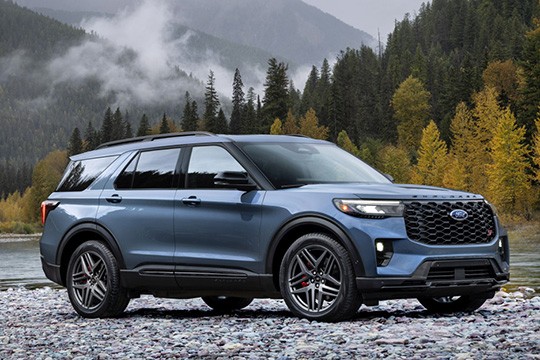
A compact SUV offers a balance of passenger space, cargo flexibility, and manageable dimensions. It can suit households that need additional room without moving to a full-size vehicle.
Midsize and full-size SUVs provide more passenger capacity and storage space. They may be useful for families, frequent travelers, or drivers who regularly carry equipment.
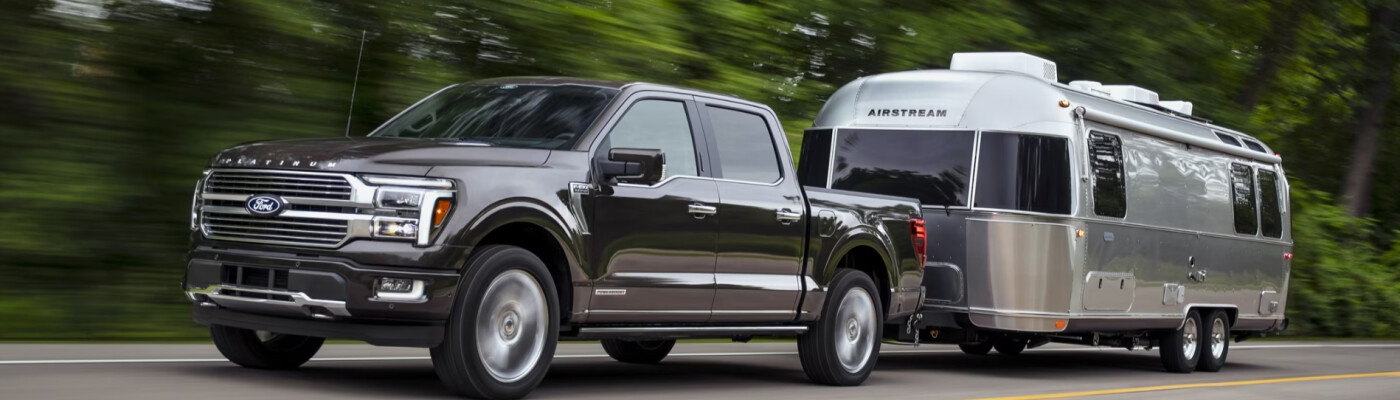
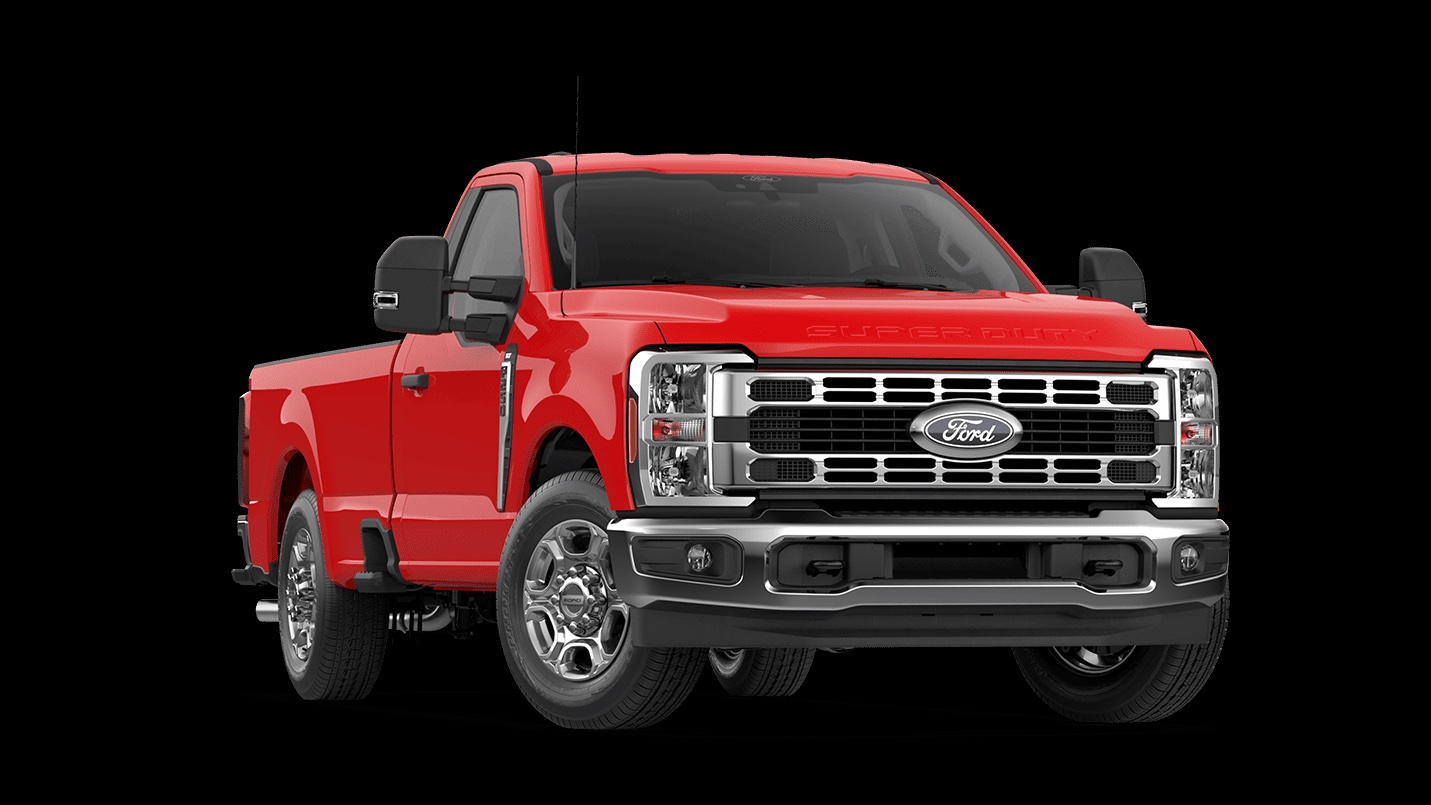
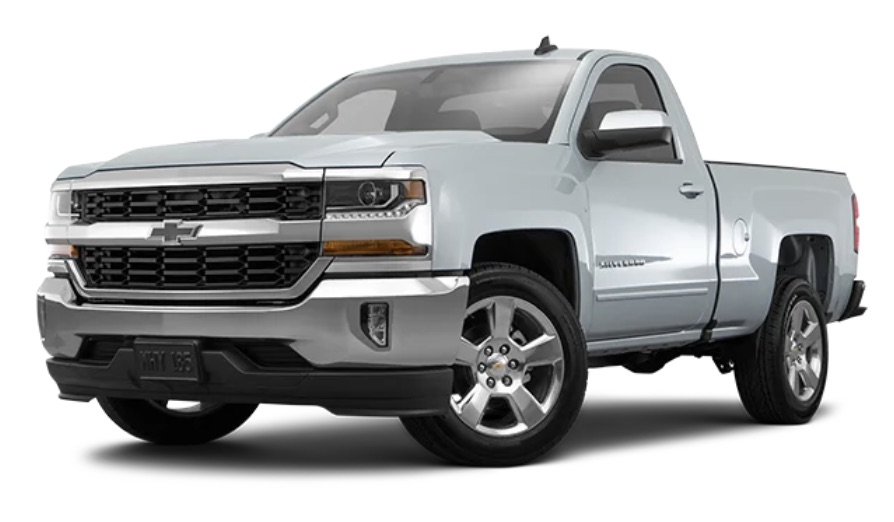
Pickup trucks are worth considering when hauling supplies, transporting tools, or towing equipment is part of everyday life. Their capabilities vary significantly by model and configuration, so towing and payload ratings should be checked carefully.
Rather than selecting a vehicle based only on its category, compare how its features support your actual driving routine.
Check Reliability and Maintenance History
A dependable vehicle is especially valuable when weather conditions become unpredictable. Regular maintenance helps keep important systems operating properly and can reduce the likelihood of unexpected problems.
For used vehicles, review available maintenance records and ask about previous repairs. Pay particular attention to the brakes, tires, battery, suspension, cooling system, and heating and defrosting functions.
Inspect the vehicle’s exterior and underbody for visible corrosion or damage. Check that the windshield wipers operate correctly and that all exterior lights function as expected. A professional inspection can provide additional information about the vehicle’s mechanical condition.
Maintenance costs should also be included in the ownership budget. A vehicle with an attractive purchase price may require immediate tire replacement, brake work, or other repairs. Understanding these expenses before purchasing can help prevent surprises.
Prepare for Changing Weather Before Every Trip
Even the right vehicle requires preparation when weather conditions become challenging. Keep the windshield, windows, mirrors, and lights clean. Check tire pressure regularly and make sure the wiper blades can clear water effectively.
During winter, keep an ice scraper, snow brush, warm clothing, flashlight, and phone charger in the vehicle. It is also helpful to maintain adequate fuel or battery charge and review road conditions before longer trips.
Iowa’s 511 travel information service provides updates about road conditions, closures, and construction. Checking reliable travel information before departure can help drivers make better decisions when severe weather develops.
Most importantly, reduce speed and increase following distance when pavement is slippery. If conditions become dangerous, delaying a nonessential trip may be the safest option.
Take a Thorough Test Drive
A test drive helps determine whether a vehicle feels suitable for everyday use. Try driving on different road types when possible, including local streets and highways. Evaluate acceleration, braking, steering response, visibility, and seating comfort.
If you regularly carry passengers, bring them along to check interior space. Test the heating, air conditioning, and defroster, and inspect the cargo area for practical storage capacity.
For a used vehicle, combine the test drive with a careful inspection and review of its available history. Comparing several options can reveal meaningful differences in comfort, condition, and capability.
Conclusion
Finding a vehicle that fits Burlington’s changing driving conditions requires balancing traction, handling, comfort, efficiency, and long-term dependability. Seasonal weather can affect road surfaces and visibility, making proper tires, reliable braking, and suitable vehicle features important considerations. Sedans, SUVs, and pickup trucks can all serve local drivers when their capabilities match individual needs. By reviewing vehicle condition, comparing drivetrain options, considering daily routines, and taking thorough test drives, shoppers can make a practical choice that supports comfortable and confident travel throughout the year.