How GMC All-Wheel Drive Supports Changing Midwest Road Conditions
Posted by James Ruppert | Nov 26, 2026 | 4 x 4, GMC, SUV
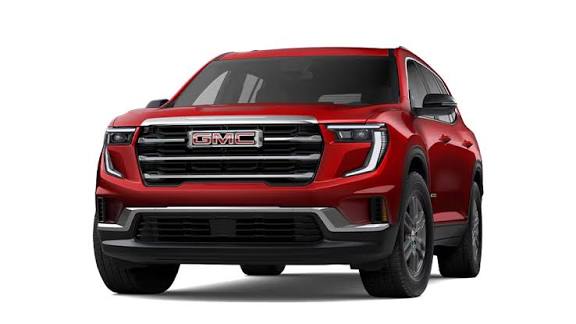
Midwest weather can change quickly, bringing rain, snow, freezing temperatures, and slippery road surfaces throughout the year. Drivers may encounter wet highways during spring storms, icy intersections in winter, and loose gravel on rural roads. Having a vehicle equipped with all-wheel drive (AWD) can provide additional traction when road conditions become unpredictable. GMC offers AWD systems on select SUVs, along with driving modes designed to adapt vehicle responses to different surfaces. Drivers researching a GMC dealership near Orland Park, IL can explore how these technologies support everyday travel through changing Midwest conditions.
How GMC All-Wheel Drive Distributes Power
GMC AWD systems are designed to send power to all four wheels when additional traction is needed. Unlike traditional front-wheel-drive configurations, which primarily deliver engine power to the front wheels, an AWD system can direct torque toward the rear wheels to help maintain traction.
This capability can be useful when one part of the road offers less grip than another. For example, a vehicle may encounter wet pavement, loose gravel, or patches of snow during the same journey. AWD helps distribute available power to improve traction and control as conditions change.
The specific operation varies by GMC model and equipment. Some systems operate automatically, while others allow drivers to select an AWD mode when additional traction is desirable.
Better Traction on Rain-Soaked Roads
Rain is a common Midwest driving challenge, particularly during spring and summer storms. Water can reduce tire grip, making acceleration and cornering more difficult. Standing water can also increase the risk of hydroplaning.
GMC AWD can help improve traction when accelerating on wet pavement by distributing power across all four wheels. This may help reduce wheel slip when pulling away from an intersection or traveling along a damp road.
However, AWD does not eliminate the risks associated with wet weather. Drivers should reduce speed when necessary, avoid sudden steering movements, and maintain extra following distance. Tire condition and tread depth remain essential because AWD cannot create grip when tires cannot properly contact the road.
Supporting Winter Driving on Snow and Ice
Winter conditions can be especially demanding around Illinois communities. Snow accumulation, freezing rain, and icy patches can make neighborhood streets and highways difficult to navigate.
An AWD-equipped GMC can help distribute power to the wheels with available traction, supporting more controlled acceleration on slippery surfaces. Certain models also offer Snow/Ice or Weather driving modes. These settings can adjust throttle response and transmission behavior to help reduce wheel spin during acceleration.
GMC’s available driver mode systems vary by vehicle, but some SUVs provide an AWD setting that engages the rear wheels to help improve traction on paved roads covered with snow or ice.
Drivers should remember that AWD primarily helps with acceleration and power delivery. It does not automatically shorten stopping distances. Braking gently, leaving additional space between vehicles, and avoiding abrupt movements remain important when traveling on icy roads.
Handling Gravel and Uneven Rural Roads
Not every Midwest road is paved. Drivers may encounter gravel driveways, construction areas, unpaved roads, and uneven surfaces while traveling outside town.
Available AWD systems can help maintain traction when tires encounter loose gravel or other surfaces with inconsistent grip. Some GMC SUVs also offer Off-Road or Terrain modes, depending on their configuration.
Terrain mode is generally designed for low-speed driving over uneven surfaces, while Off-Road mode can adjust vehicle responses to improve traction and handling on surfaces such as gravel, sand, and mud. These features can be helpful when leaving paved roads, although the appropriate mode depends on the vehicle and conditions.
For drivers who regularly travel on rougher routes, checking which traction modes are included on a specific GMC model is worthwhile.
Driver Mode Control Adapts to Changing Conditions
One useful feature available on select GMC vehicles is Driver Mode Control. It allows drivers to choose settings that adjust aspects of vehicle performance based on road conditions and driving preferences.
Depending on the model, available settings may include:
● Normal or Tour: Designed for everyday driving and balanced performance.
● AWD: Engages additional wheels to help improve traction on slippery paved surfaces when equipped.
● Snow/Ice: Adjusts acceleration response to help reduce wheel slip.
● Off-Road or Terrain: Tailors vehicle responses for loose or uneven surfaces.
These settings provide additional flexibility when road conditions change. Drivers should consult the owner’s manual to understand which modes their particular GMC offers and when each setting is appropriate.
Tire Maintenance Remains Essential
Even an advanced AWD system depends on the tires to transfer power to the road. Worn tread, incorrect tire pressure, or mismatched tires can affect traction and vehicle performance.
Checking tire pressure regularly is especially important when Midwest temperatures fluctuate. Cold weather can reduce tire pressure, while extended driving can increase it. Following the manufacturer’s recommended pressure helps support proper handling and tire wear.
Drivers should also inspect tread depth and look for uneven wear or visible damage. When replacing tires on an AWD vehicle, using compatible tires with matching specifications is important. Differences in tire circumference can place additional strain on certain AWD systems.
AWD Is Helpful, but Safe Driving Still Matters
AWD can provide added confidence when roads become slippery, but it does not make a vehicle immune to difficult conditions. Ice, deep snow, standing water, and sudden weather changes still require careful driving.
Drivers should slow down when visibility decreases, avoid aggressive acceleration, and allow extra time to reach their destinations. Regular maintenance and properly selected tires also contribute to dependable performance throughout the year.
Conclusion
GMC AWD technology can support Midwest driving by distributing power across all four wheels when additional traction is needed. From rain-soaked streets to snowy roads and loose gravel, available AWD and driver-selectable modes help adapt vehicle performance to changing surfaces. Choosing a GMC with the appropriate drivetrain, maintaining its tires, and practicing careful driving can make everyday travel more manageable throughout the seasons.