Ford Super Duty Fifth-Wheel Preparation for Large Trailer Owners
Posted by James Ruppert | Nov 26, 2026 | 4 x 4, Ford, Super Duty, Towing, Hauling
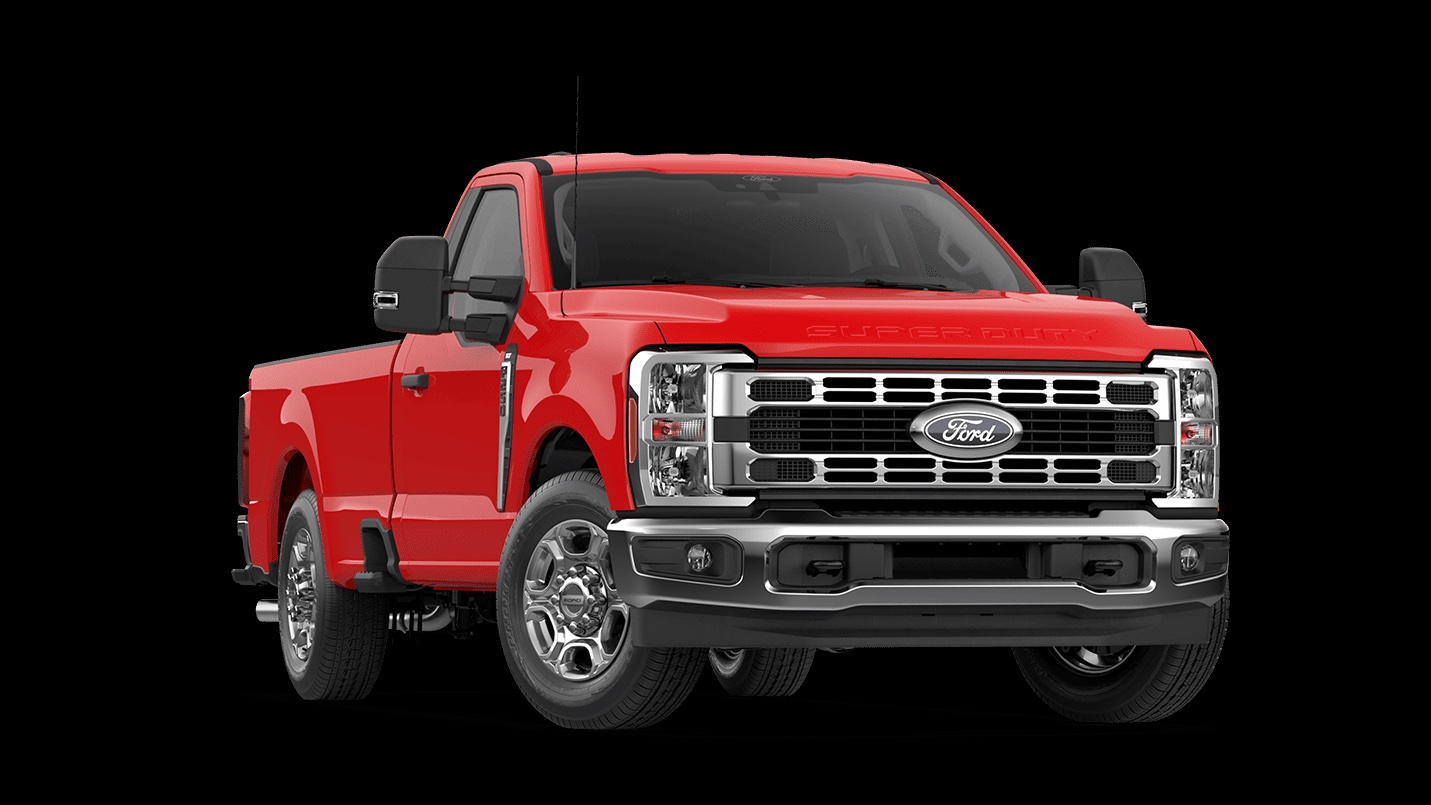
Owning a large fifth-wheel trailer requires careful planning before hitting the road. Beyond selecting a truck with sufficient towing capability, owners need to consider hitch compatibility, payload capacity, trailer clearance, electrical connections, and weight distribution. The Ford Super Duty lineup offers heavy-duty configurations and available towing equipment designed to support demanding trailer applications.
Drivers comparing a new Ford Super Duty for sale near Carbondale, IL should understand how different configurations affect fifth-wheel preparation. Choosing the right equipment from the beginning can make trailer setup more practical and help support safer towing.
Understand Fifth-Wheel Hitch Preparation
A fifth-wheel trailer connects to a hitch mounted inside the pickup bed rather than to a conventional receiver behind the bumper. This arrangement places the trailer connection closer to the truck’s rear axle and provides a different towing setup for larger recreational trailers.
Ford offers an available fifth-wheel and gooseneck hitch preparation package on certain Super Duty configurations. Depending on the model and equipment, the package provides factory mounting points beneath the bed and a convenient foundation for compatible hitch installation.
Before selecting a truck, confirm whether it includes the factory preparation package or requires additional equipment. Also verify that the hitch selected is compatible with the truck and trailer.
Choose the Right Super Duty Configuration
The F-250, F-350, and F-450 offer different configurations for demanding towing applications. However, choosing between them requires more than comparing maximum advertised towing figures.
An F-250 may suit certain fifth-wheel applications when its specific configuration provides adequate payload and axle capacity. An F-350 offers additional configuration choices, including single-rear-wheel and dual-rear-wheel versions. The F-450 is another option for owners with particularly demanding towing requirements.
Engine selection, cab style, bed length, axle ratio, drivetrain, and optional packages all influence vehicle capability. Compare the ratings for the exact truck rather than assuming every Super Duty model has the same towing capacity.
Calculate Fifth-Wheel Pin Weight
Pin weight is one of the most important measurements when preparing a truck for a fifth-wheel trailer. It represents the portion of the loaded trailer’s weight that rests on the truck through the hitch.
Ford’s towing guidance generally uses approximately 15% of the loaded fifth-wheel trailer weight as the kingpin weight for planning purposes. For example, a trailer weighing 12,000 pounds when loaded could place approximately 1,800 pounds on the truck.
That weight must be included when calculating payload. Passengers, luggage, accessories, and the hitch itself also contribute to the truck’s total load.
A truck may have a high maximum trailer rating but still lack sufficient payload for a particular fifth-wheel combination. Always evaluate both measurements.
Check GVWR, Rear GAWR, and GCWR
Several weight ratings determine whether a Super Duty is suitable for a particular trailer.
Gross Vehicle Weight Rating (GVWR) represents the maximum permitted weight of the loaded truck. Gross Axle Weight Rating (GAWR) establishes the allowable load for each axle, while Gross Combined Weight Rating (GCWR) covers the combined truck and trailer weight.
Pay particular attention to rear GAWR because fifth-wheel pin weight is carried through the truck’s rear portion. Adding passengers, cargo, and hitch equipment can reduce the remaining available payload.
The truck’s certification label and the applicable Ford towing guide provide important rating information. Actual loaded weights should be checked using appropriate scales when necessary.
Consider Bed Length and Trailer Clearance
Bed length can influence how much clearance exists between the fifth-wheel trailer and the truck’s cab. Shorter beds provide less space for the trailer to move during tight turns, increasing the importance of checking compatibility.
Some combinations may require a suitable sliding hitch to provide additional turning clearance. Longer beds generally provide more space between the cab and trailer, but the exact combination still needs to be evaluated.
Before purchasing a hitch or trailer, confirm that the setup provides adequate clearance during turns, including tighter maneuvers at campsites and storage areas. Follow the truck and hitch manufacturers’ compatibility guidance.
Prepare Electrical Connections and Towing Accessories
A fifth-wheel trailer needs reliable electrical connections for its lighting, brakes, and other compatible systems. Certain Super Duty configurations with factory hitch preparation may include a trailer wiring connector in the pickup bed.
Check the connector’s location and compatibility with the trailer. Inspect wiring, plugs, and connections for damage or corrosion before traveling.
Other useful equipment may include towing mirrors, trailer brake controls, and compatible camera systems. Available features vary by model and package, so review the truck’s equipment list before purchasing additional accessories.
Inspect the Suspension, Tires, and Hitch
A proper pre-towing inspection helps identify problems before the truck and trailer are loaded. Check the hitch mounting points, locking mechanism, safety connections, and electrical wiring.
Tires should have the correct load ratings, inflation pressure, and adequate tread. Inspect the truck’s suspension and braking components, particularly if it will regularly carry substantial pin weight.
The fifth-wheel hitch must be installed according to its manufacturer’s instructions and secured to approved mounting points. Never assume that a hitch is suitable simply because it physically fits inside the truck bed.
Match the Truck to Your Actual Trailer
The best Super Duty configuration depends on the fifth-wheel trailer’s loaded weight, pin weight, dimensions, and intended use. Gather the trailer manufacturer’s specifications and compare them with the exact truck’s ratings before making a decision.
A dealership visit can help clarify available engine choices, axle configurations, factory hitch preparation, and towing equipment. Having the trailer specifications available makes these comparisons more useful.
Conclusion
Preparing a Ford Super Duty for fifth-wheel towing involves much more than installing a hitch. Payload calculations, pin weight, axle ratings, bed clearance, electrical connections, and compatible towing equipment all deserve attention. By evaluating these factors together, large trailer owners can choose a Super Duty configuration that better matches their hauling requirements and supports a properly prepared towing setup.