How Chevrolet Engines Deliver Performance for Texas Highway Driving?
Posted by James Ruppert | Nov 26, 2026 | 4 x 4, Chevrolet, Engines, Texas
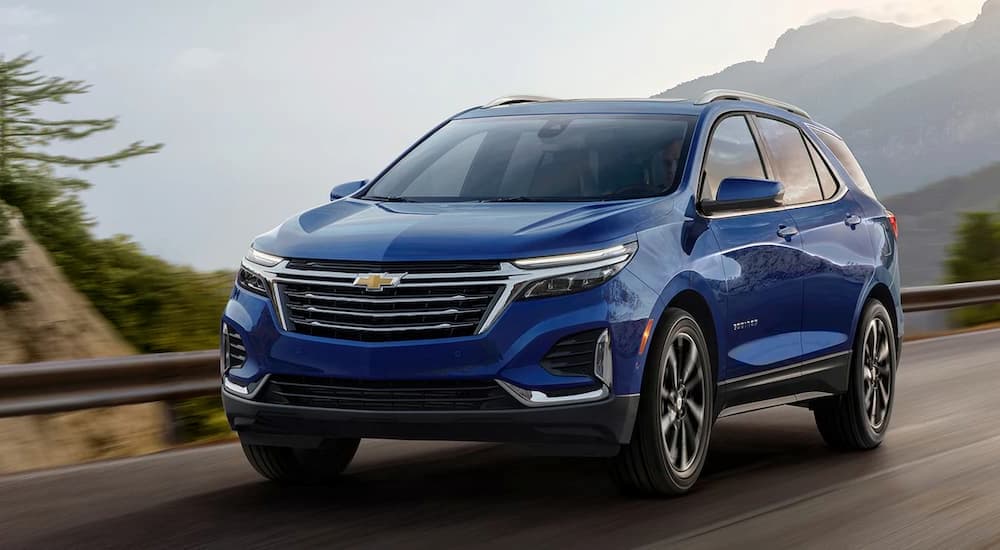
Texas highways put vehicles through a variety of driving conditions. Long distances, changing speed limits, heavy traffic, hot weather, and occasional steep grades can all influence how an engine performs. For drivers who regularly travel between cities or commute across wide stretches of the state, engine power, smooth acceleration, fuel efficiency, and dependable operation are important considerations. Chevrolet offers a range of engine options across its cars, SUVs, and trucks, giving drivers different ways to balance performance and everyday practicality. Exploring what makes these powertrains suitable for extended travel can help shoppers make informed decisions when comparing vehicles at Chevy dealerships in Texas.
Strong Acceleration for Merging and Passing
Highway driving often requires drivers to adjust speed quickly. Merging onto busy interstates, passing slower traffic, and entering fast-moving lanes all depend on an engine that delivers responsive acceleration.
Chevrolet offers engines with different power outputs and configurations to meet varying driving needs. Depending on the model, drivers may find four-cylinder, V6, or V8 options. Turbocharged engines can produce substantial torque at relatively low engine speeds, helping vehicles accelerate without requiring the engine to operate at high revolutions all the time.
This responsiveness can be particularly useful when joining highways with short entrance ramps or passing vehicles on two-lane roads. A vehicle with appropriate power reserves can make these maneuvers feel more controlled, provided the driver has enough space and follows safe passing practices.
The right engine depends on the vehicle’s size and intended use. A compact SUV may not need the same output as a full-size pickup, while a truck carrying heavy equipment benefits from a powertrain designed for demanding workloads.
Torque for Consistent Highway Performance
Horsepower often receives attention when comparing engines, but torque is equally important. Torque describes the engine’s rotational force and contributes to how effectively a vehicle moves under load.
For highway drivers, useful torque can support smooth acceleration when entering traffic, climbing gradual inclines, or carrying passengers and luggage. Turbocharged engines can deliver strong low-speed torque, while larger-displacement engines may provide substantial pulling power across a broad operating range.
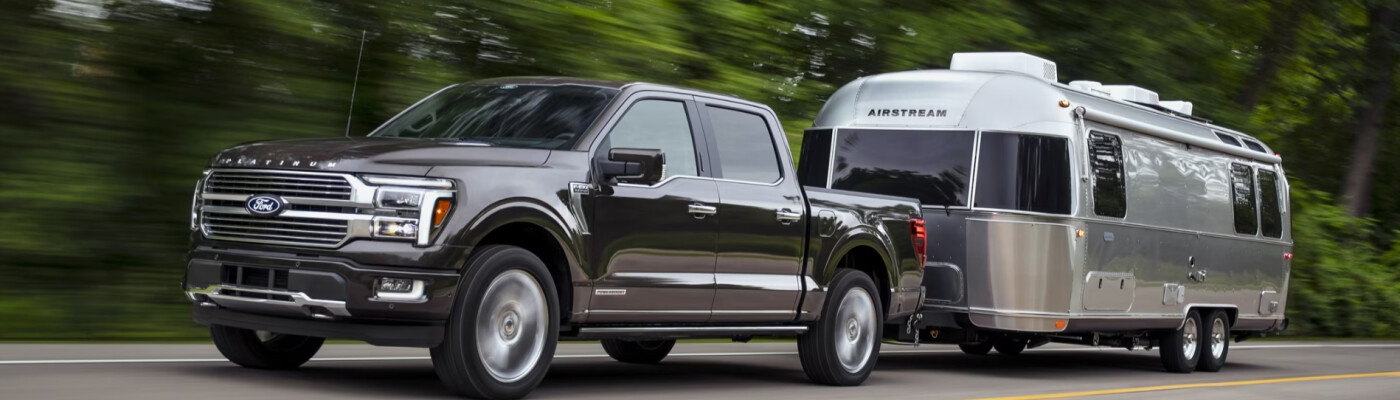
Chevrolet trucks demonstrate how engine choices can support different levels of work and travel. Drivers who regularly tow trailers or transport heavy cargo should consider the engine’s torque output alongside the vehicle’s towing capacity and payload rating.
It is important to remember that towing capability depends on more than engine strength. Transmission design, axle ratio, cooling equipment, braking systems, and the vehicle’s configuration also influence its rated capacity. Buyers should consult the specifications for the exact model and equipment combination they are considering.
Transmission Design and Smooth Power Delivery
An engine’s performance depends partly on how effectively its power reaches the wheels. The transmission plays a major role by selecting suitable gear ratios for acceleration, cruising, and changing road conditions.
Many Chevrolet vehicles use automatic transmissions designed to balance responsive acceleration with relaxed highway operation. Depending on the model, the transmission may offer multiple gear ratios that help keep the engine within an appropriate operating range.
On open Texas highways, higher gears can allow an engine to maintain cruising speed at lower revolutions per minute. This can contribute to a quieter cabin and more efficient operation when conditions are steady.
When a driver needs to accelerate or climb a hill, the transmission can shift to a lower gear to provide additional response. Well-matched engine and transmission systems help create a more consistent driving experience, especially during longer journeys that involve frequent changes in speed.
Fuel Efficiency for Long-Distance Travel
Texas drivers may cover considerable distances during everyday travel. Fuel economy can therefore have a meaningful effect on the overall cost of ownership.
Engine size is one factor that influences fuel consumption, but it is not the only consideration. Vehicle weight, aerodynamics, transmission gearing, tire selection, driving habits, and road conditions also matter.
Smaller turbocharged engines can offer a useful balance of power and efficiency in appropriately sized vehicles. Larger engines may consume more fuel, particularly when accelerating frequently or carrying heavy loads, but they can provide the additional performance required for certain trucks and larger SUVs.
Some Chevrolet models also offer technologies designed to reduce unnecessary fuel consumption. Depending on the powertrain, features may include automatic engine stop-start systems or cylinder deactivation, which can reduce fuel use under suitable operating conditions.
Drivers can improve efficiency by maintaining steady speeds, avoiding unnecessary rapid acceleration, keeping tires properly inflated, and removing unused cargo. Comparing official fuel-economy estimates for specific configurations is a useful way to understand potential differences before purchasing.
Engine Cooling for Hot Texas Conditions
High temperatures are a regular part of driving in many parts of Texas. Extended highway trips, heavy traffic, towing, and high outdoor temperatures can place additional demands on an engine’s cooling system.
A properly functioning cooling system helps maintain an appropriate operating temperature. It typically includes components such as a radiator, coolant, hoses, a water pump, and cooling fans. These parts work together to move heat away from the engine and release it into the surrounding air.
Vehicles designed for towing or demanding workloads may have additional cooling equipment depending on their configuration. This can be particularly relevant for drivers who travel with trailers or carry heavy loads over long distances.
Routine maintenance is essential. Drivers should follow the manufacturer’s recommended service schedule, check coolant levels when the engine is cool, and pay attention to temperature warnings. If the temperature gauge rises unusually or a warning appears, stopping safely and addressing the problem is more important than continuing the journey.
Turbocharged and Naturally Aspirated Engine Choices
Chevrolet’s engine range includes different approaches to producing power. Understanding the distinction between turbocharged and naturally aspirated engines can help buyers select a vehicle that suits their driving habits.
A turbocharged engine uses exhaust gases to drive a turbine that helps push more air into the engine. This allows a smaller engine to produce more power than its displacement might otherwise suggest. Turbocharged powertrains can be appealing to drivers who want responsive acceleration without automatically choosing a larger engine.
Naturally aspirated engines draw air into the cylinders without a turbocharger. Depending on the design, they may provide predictable throttle response and straightforward power delivery. Larger naturally aspirated engines can also offer substantial horsepower and torque for drivers who prioritize strong performance.
Neither design is automatically better for every driver. Consider the vehicle’s weight, expected workload, maintenance requirements, and driving environment. A test drive can help reveal how an engine responds during ordinary acceleration and highway cruising.
Choosing an Engine for Towing and Carrying Loads
Some Texas drivers need a vehicle that can do more than commute. Pickup owners may tow recreational trailers, transport work equipment, or carry supplies between job sites. In these situations, engine capability becomes especially important.
Chevrolet trucks offer different powertrain configurations designed for different workloads. When comparing them, review the manufacturer’s maximum towing and payload ratings for the exact configuration. These figures can change according to cab style, drivetrain, engine, axle ratio, and installed equipment.
Do not assume that a vehicle with the most horsepower automatically offers the highest towing capacity. Trailer weight, tongue weight, passenger load, and cargo must all remain within the vehicle’s limits.
Drivers should also consider how frequently they tow. Someone who occasionally pulls a small recreational trailer may have different requirements from someone who regularly transports heavy equipment. Choosing an engine based on realistic use can help avoid unnecessary expense while ensuring the vehicle has suitable capability.
Maintenance That Helps Preserve Engine Performance
Even a well-designed engine needs regular care to maintain dependable operation. Long highway journeys can make routine maintenance especially important because vehicles may spend hours operating at sustained speeds.
Follow the recommended schedule for oil and filter changes, coolant service, air-filter replacement, and spark-plug maintenance where applicable. Check for fluid leaks, unusual engine noises, warning lights, and changes in performance.
Using the oil grade and other fluids specified in the owner’s manual helps protect engine components. It is also important to address small problems promptly rather than allowing them to develop into more expensive repairs.
Before a long trip, check tire pressure, fluid levels, lights, and the condition of belts and hoses. These simple checks can help reduce the likelihood of avoidable problems along the way.
Conclusion
Chevrolet engines support different highway driving needs through a variety of power outputs, torque characteristics, transmission combinations, and efficiency technologies. Whether a driver prioritizes smooth commuting, confident acceleration, long-distance fuel economy, or the ability to tow, choosing the right powertrain starts with understanding how the vehicle will be used. Engine performance should always be considered alongside cooling capability, transmission design, vehicle ratings, and maintenance requirements. By comparing these factors and taking a thorough test drive, Texas drivers can select a Chevrolet that offers the performance and practicality needed for their everyday journeys.