Electricity Cars always were Rubbish
Posted by James Ruppert | Mar 22, 2026 | Articles, Electric Cars, Electric Van, Emissions, Engineering, Environment, Politics, ULEZ, Used Cars, Vans
Electricity cars were always a silly idea. Well, I would qualify that, the decision (by governments endorsed by the gullible mainstream motoring media and then implemented by the supine manufacturers) to turn all combustion cars into battery ones was just daft. It would have been far more sensible to use electricity where it might be appropriate. You know, inside cities. There it might help air quality and go about it’s business more quietly, possibly as a useful van. That was the future 25 years ago and I can prove it. I was there when change was starting to happen and there was a good chance of putting a stop to the madness. I tried to fight it with proper journalism, but now regret not being more proactive.
The simple truth is that the motor industry has been going full tilt at the electricity vehicle thing for some time now. It was mainly a bit of fun, a sop to the ‘70s and ‘80s and ‘90s greenies, before they realised freeing Plasticine (Palestine) and legalising every debauchery going (Sex, drugs and Halal sausages) was a real vote winner.
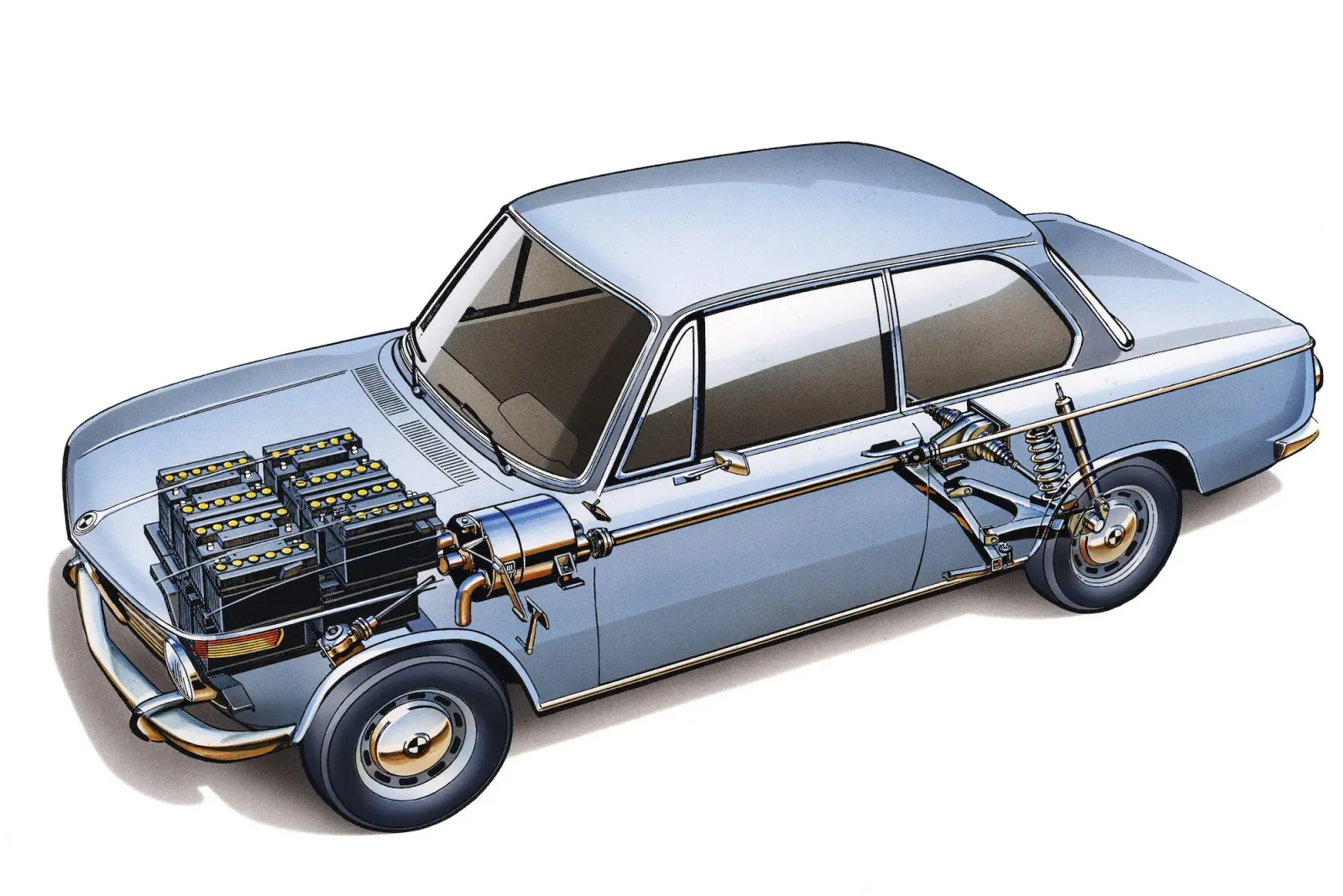
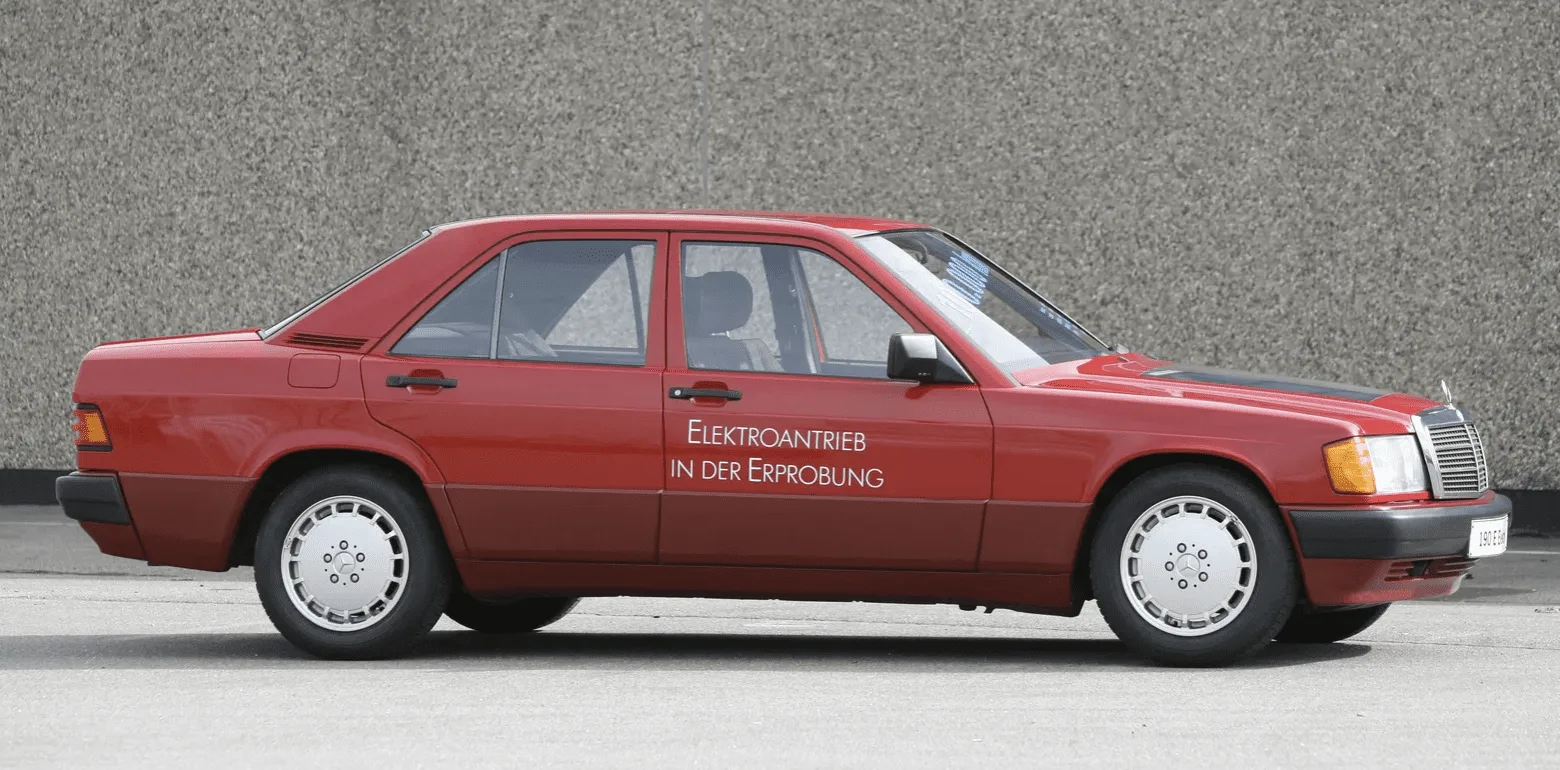
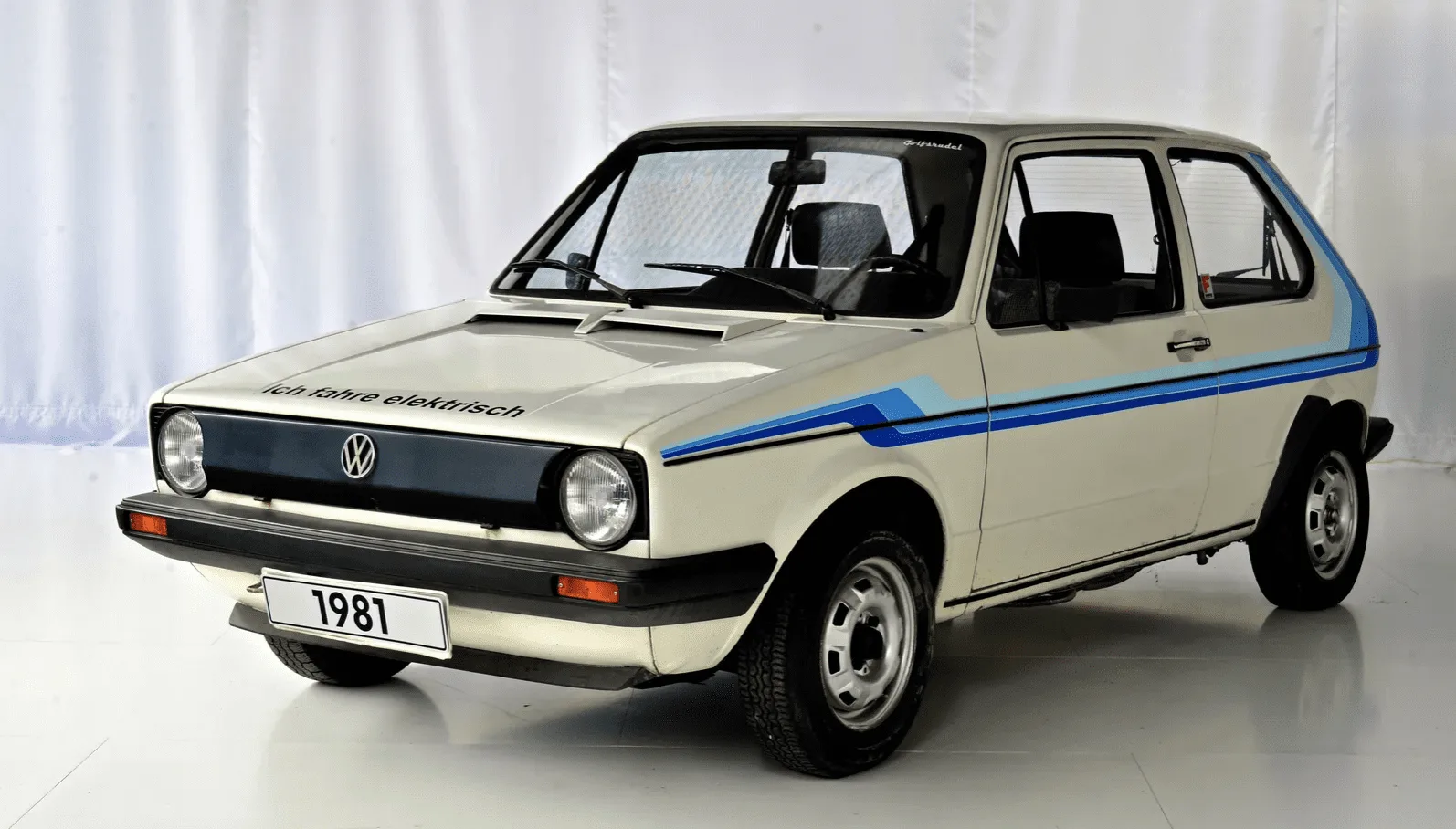
It was mainly the Germans back in the ‘70s and ‘80s loading up batteries into Golfs, BMW 2002s or Mercedes 190s. R & D justifying their wages, environmental boxes ticked and cute recyclable press releases. Now of course it has come back to bite them on their big German behinds.
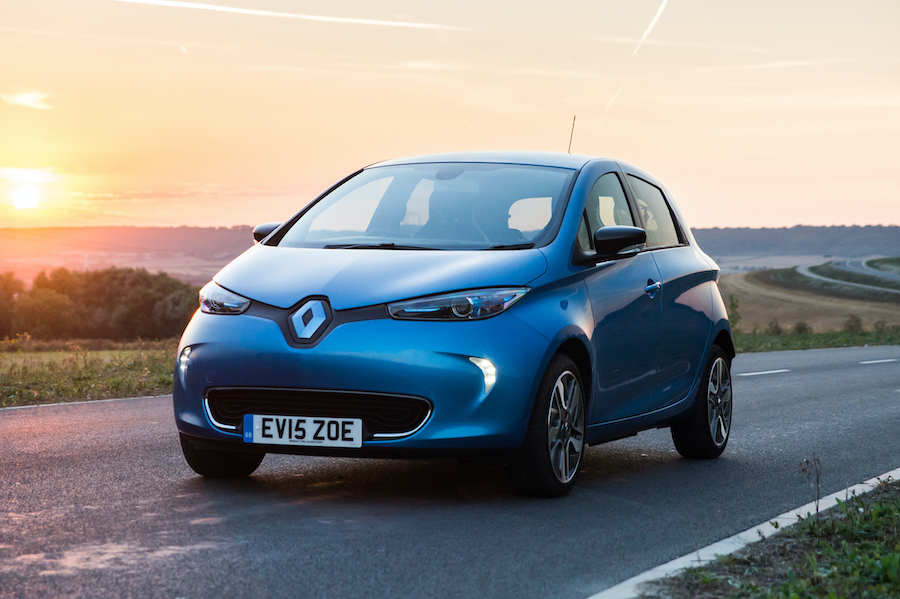
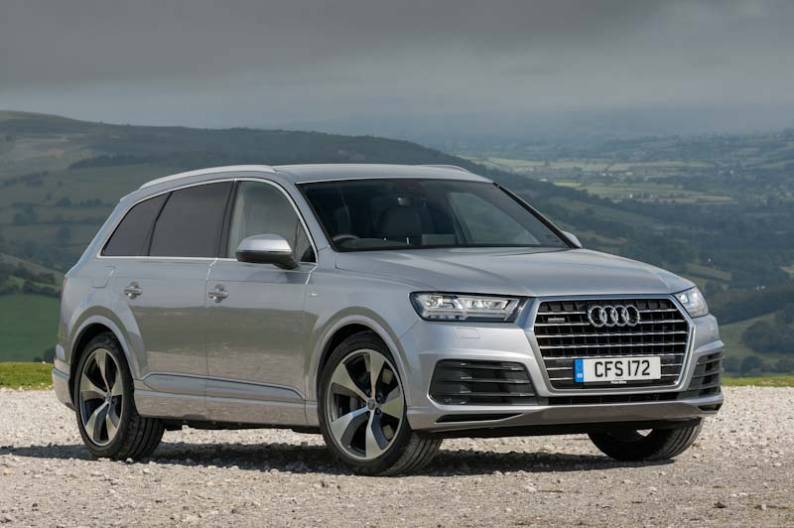
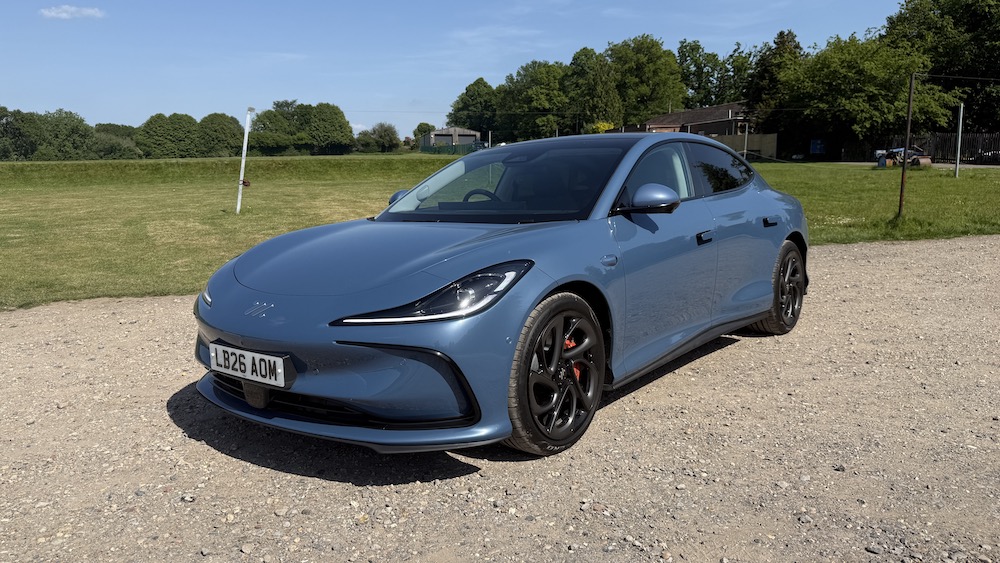
They believed the hype. The green bull shine and with government encouragement veered headlong into the electricity dream without thinking it through. Without paying attention to what their customers actually wanted to buy. No manufacturer allowed for the fact that the far eastern automotive copyists could turn their Temu hand to just about anything for far less than the Europeans. Not least because they had easy access to all the rare earth ingredients to make the electricity magic happen. As a further consequence, simply having a Eurotrash badge didn’t mean so much anymore to the Chinese. Their BYDs would do and buyers in Europe would lap up these electric SUVs for so much less than a breeze block Audi.
So fast forward to right now when Volkswagen’s profits dropped by 44% for 2025. Hardly surprising that Porsche’s new CEO Michael Leiters announced plans to go back to the high-margin 911 template, “You can well imagine that over the last 70 days or so, I’ve worked hard with my team to delve into every detail of our strengths and weaknesses,” Leiters told investors, after the company reported a 93% slump in operating profit in 2025.
The initial strategy, to be “pursued with urgency as the next few months unfold”, will target a simplified model lineup while assessing options priced above two-door sporty models, such as the 911 and 718 and the Cayenne SUV, where selling extras and customising cars would be much more profitable.
Mercedes-Benz have not been so spherical objects deep in the brave new battery world so could afford to offer the EU a bit of advice. CEO and ACEA President Ola Källenius is urging EU leaders to think again about wanting to show off and meet their over ambitious climate goals versus the current state of the global EV market. In a letter to European policymakers, he rightly pointed out that it is best to trust the actual marketplace and referenced Mercedes own experience as the pioneers of the whole motoring marketplace. Källenius observed that in the 1880s, the car replaced the horse not through state mandates, but because it was the better way to get around.
It’s not just the Germans who need to dial back on all this electrical activity the Fiat-to-Jeep owner Stellantis, the world’s fourth biggest manufacturer, is resurrecting diesel versions of at least seven car and passenger van models across Europe including the Peugeot 308 and premium DS4 hatchbacks.
Over at Ford, they lost 15billion alone cancelling their electric F150 truck and their way of coping with all the billions in lost revenue is to come up with a plan that can be defined as the ‘Universal EV Platform’ which aims to lower electric vehicle costs through innovative design and production methods. It is all talk at this stage with a projected retail price of $30,000 and an overall $5 billion investment into this new platform strategy. Meanwhile no one wants their electricity Capri.
Meanwhile Honda has been bitten so hard by the electricity battery bug that it is announcing their first annual loss in almost 70 years hit by up to $15.7 billion in restructuring costs at its EV business. CEO Toshihiro Mibe told a press conference that EV demand had fallen sharply, making it “very difficult” to sustain profitability, plus the Chinese market was also difficult and allowed upstarts like BYD to run rings around them.
Getting back to the Germans Rolls-Royce will now continue selling V12 petrol engines beyond a previous deadline of 2030 for going all-electric.
Chief executive Chris Brownridge said “For every client who is unsure whether our Spectre is right for them, there will be one that says ‘I love it’,” he said. “We can respond to our client demand … we build what is ordered.”
Clearly then going all electric was a very stupid decision. “The legislation has changed,” Brownridge said. “That prediction was based on a different set of circumstances. We recognise some clients would rather have a V12 engine. The V12 is part of our history.”
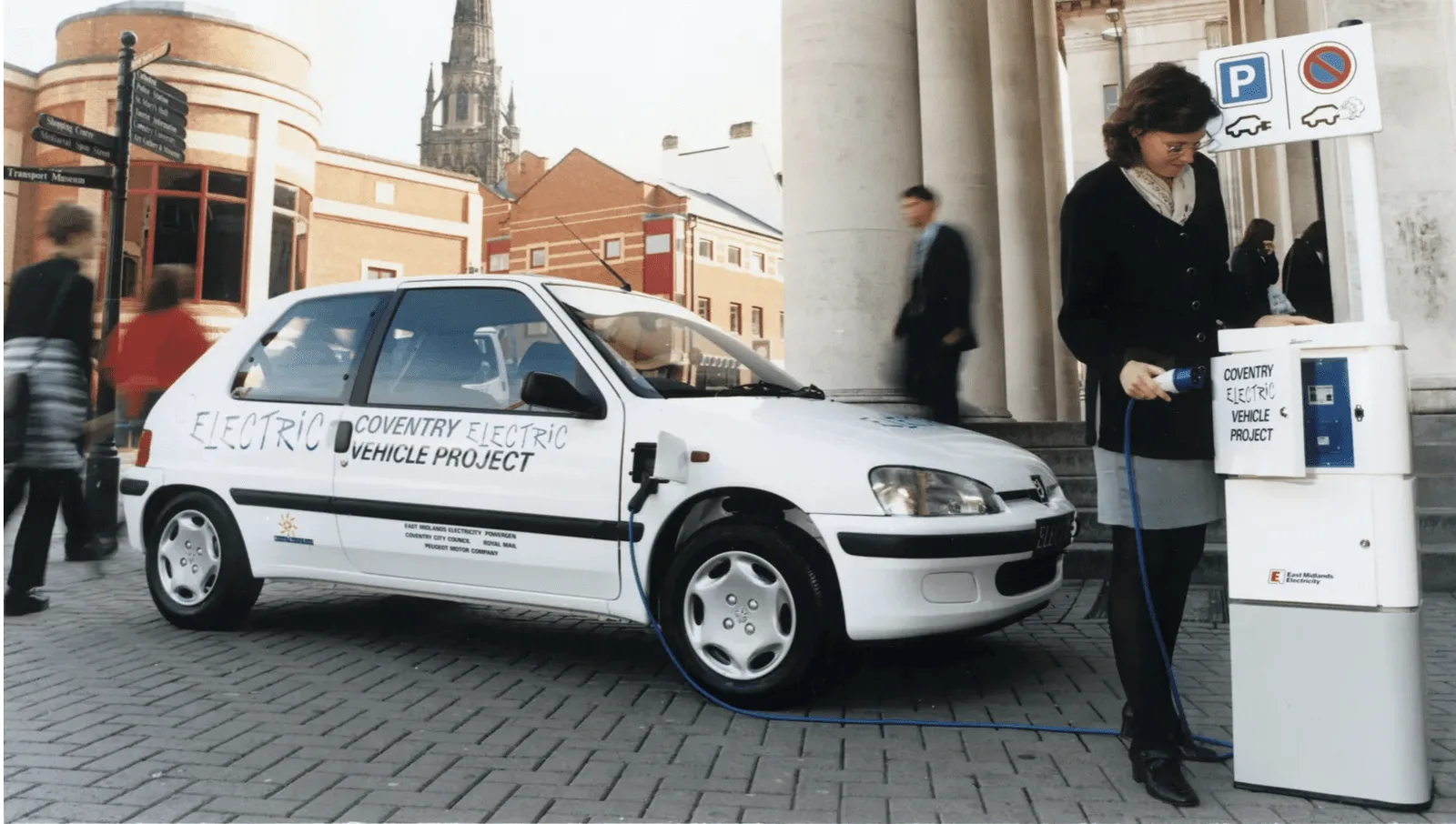
Although the European Commission are planning to drop the EU’s ban on new combustion-engine cars from 2035 surely it would have been easier, less painful and costly not to have gone down the electricity route. I mean, wind everything back twenty five years and what we have is mainly French manufacturers making panel vans and small hatches for people and businesses to use around town centres. That’s where it should have all stopped. To prove it, here’s something I wrote for The Evening Standard back then. The electric bike shop is no more, so don’t call them neither is United Dairies (so no retired milk floats anymore) and Powershift has been devolved into dozens of other taxpayer subsidy distribution NGOs. Taking a look at those costs for running a car back then is at least entertaining especially the top rate of tax. The takeaway is: If only we could go back 25 years and tell manufacturers not to be so bloody stupid.
Running an Electric Vehicle in London in 2001
Running a car in London is an expensive business. Road tax costs up to £160, petrol is virtually £5 a gallon and then there are sky high servicing costs. Cars are dirty too, pumping out lead, carbon monoxide and a whole cocktail of pollutants.
However there is a breed of vehicles that pay zero road tax, can be filled up for just a couple of pence, cause zero pollution, are quiet and need minimal maintenance. So have you ever considered switching to electric?
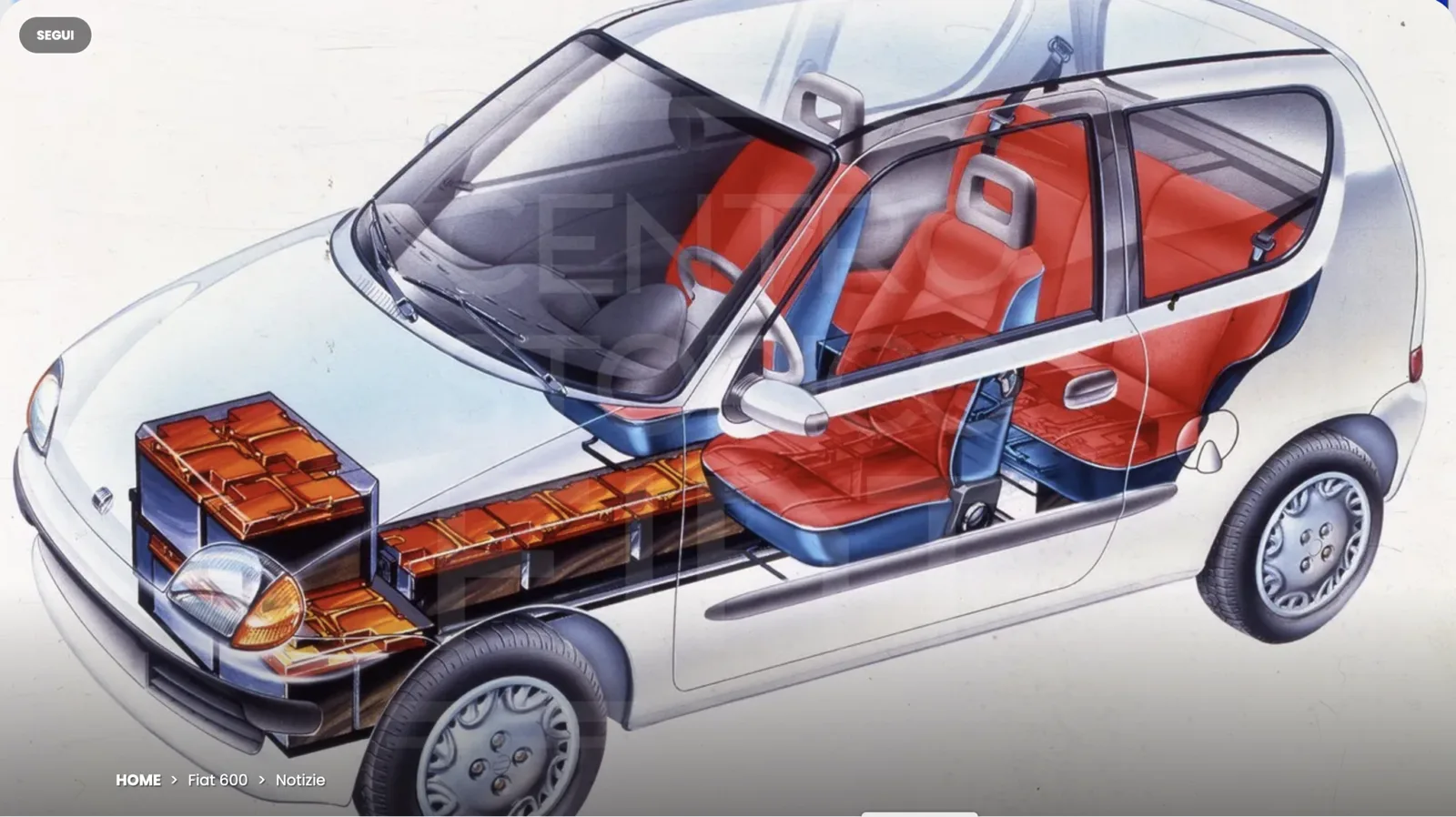
The fundamental drawback of running an electric vehicle (EV) is that you won’t get very far. Maximum range is around fifty to sixty miles dependent on the terrain and the speed at which you travel. Batteries, even expensive nickel cadmium, or sodium sulphur ones, are not really up to the job. This means that an EV is only suited to operating in an urban or City centre location which means they are absolutely perfect for London. Electric motors need virtually no attention, off peak electricity costs pennies and for constant stop start city driving nothing else is quieter or cleaner. Unfortunately just about every other vehicle on the road is cheaper to buy. There is the cost of converting an existing petrol powered car, plus the batteries which hikes the purchase by at least 25% compared to a conventional vehicle. Help is at hand as the government agency Powershift will subsidise up to 75% of the extra cost of an EV.
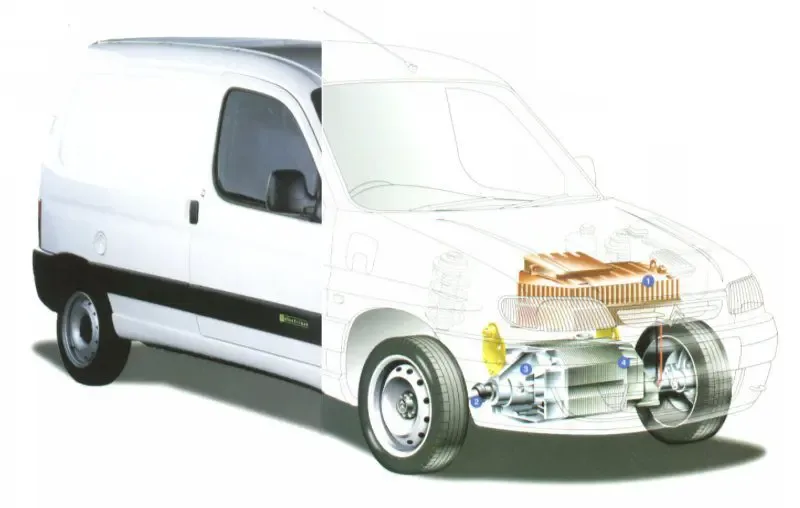
Even if you apply for and get the grant, trying to buy an EV in London is not easy. In Europe the Fiat Siecento Elettra and Peugeot 106 Electrique are popular buys, but outside of the company, or local authority fleet market there seems to be little interest in supplying individuals. Only Citroen with their Berlingo Electrique, basically a battery van is on offer. It has recently been voted Motor Transport urban Distribution Vehicle of the Year. Roy Finan transport manager for Hammersmith & Fulham who uses the Electrique to deliver meals on wheels said “Operated in exceptionally heavy urban traffic these vehicles have proved to be totally reliable and have delivered the environmental benefits and cost savings we required.” The price of these battery Berlingos is £11,040, and the batteries are leased at £87 a month. It will do 60mph and has a practical range of around 60 miles and all you need is access to a 13amp power point. However, if you live in a garage-less terrace there could be a problem.
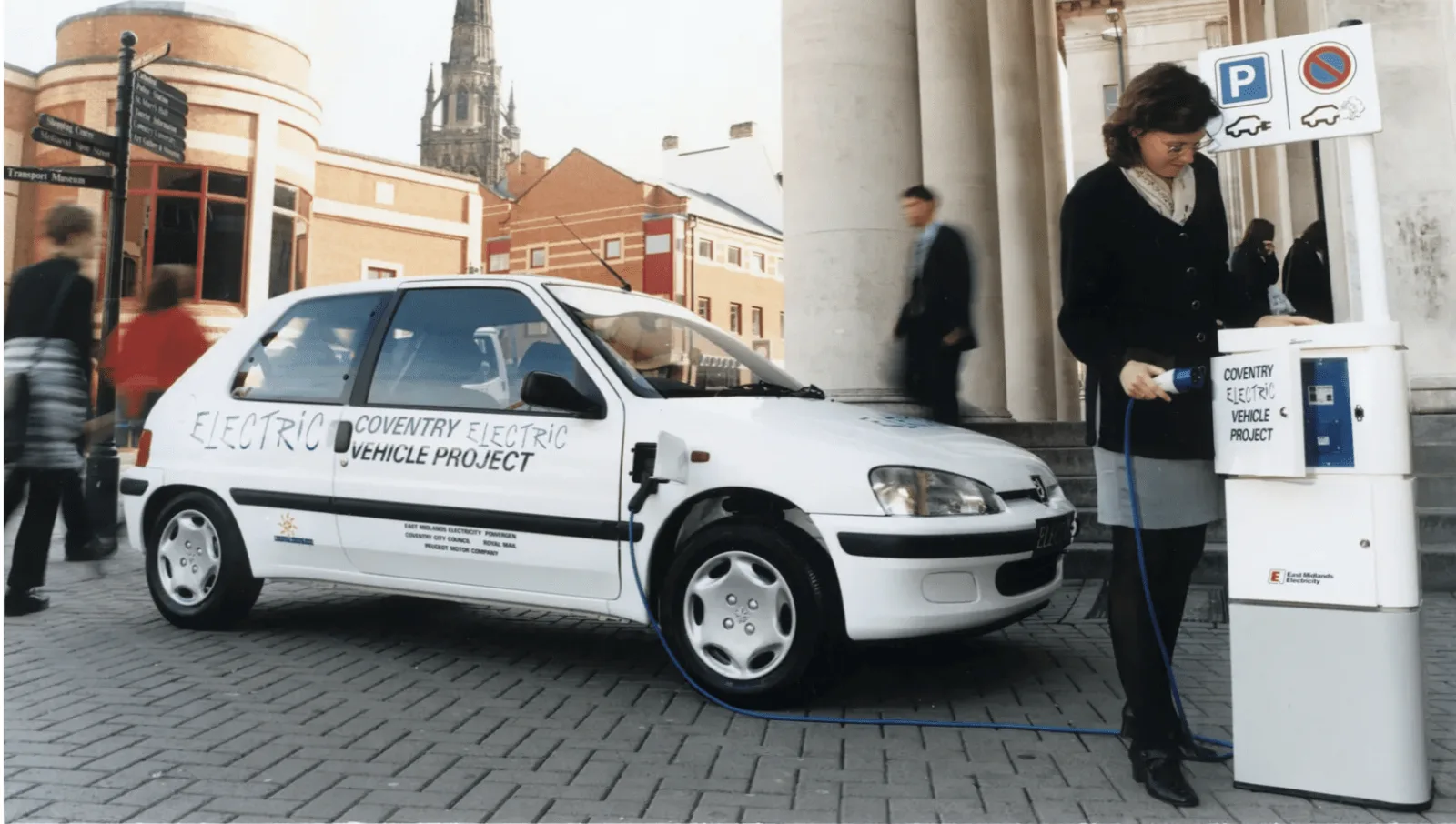
In 1999 Simon Roberts eventually won a four-year battle to have an electric vehicle charging point installed at the kerbside of his Lambeth home. He managed to persuade London Electricity and the Lambeth Council devise a specification for a charging point that would charge his Peugeot 106 Electrique overnight. “The way is now open for anyone living in London or elsewhere to have such a charging point installed. It has taken so long because it has never been done before but it was hardly a technical problem. It was a matter of overcoming the bureaucracy and complex procedures which constrain the electricity utility and local council.” Two years on and Roberts is still the proud owner of the only domestic charging point in London.
If you do have access to a socket, but don’t fancy paying a premium for brand new EV, there is always the milk float option. Don’t laugh because British milk floats are the world’s most successful and reliable EVs. Express Diaries told me that they do release retired floats back into the community for around £300-£500 and the batteries should still have a few years life left in them. It would certainly make the shopping and school run a lot more interesting.
Despite the arrival of Ford’s Th!nk and a Powershift grant of £3500 each for the first 100, even the Electric Vehicle Association are sceptical about the future for pure battery powered cars. But what about bikes? The first shop in London totally dedicated to electric transport has just opened in Wandsworth. Electric Bicycle Centre can offer Powabykes that have a range of 20 miles, reach a top speed of 15mph and cost £499. At least when your battery runs flat you can keep on peddling.
The truth is that electric vehicles (EV) are not perfect.
Electric Bicycle Centre 0208 870 2138
TransportAction (Powershift) 0845 602 1425
Express Dairies 0208 842 6000
Citroen 0870 606 9000
Please consider buying my books here
Take a look at my classic car history charts here and there is going to be a new printed magazine available very soon.
This is my You Tube which I have been making a bit more of an effort with recently