Drivers not getting enough Sleep warns Hilarys
Posted by James Ruppert | Feb 23, 2026 | Articles, Driving, Safety, Transportation, Travel, Young Drivers

We found this really interesting that a Curtain company is warning that 2 million UK transport workers functioning on as little as four hours’ sleep per night and revealed the most sleep-deprived industries in the UK. Indeed, Free Car Mag once gave away a camper van that was in the Eddie The Eagle film, which meant you could have a nap in a lay by when you weren’t competing in the winter Olympics.
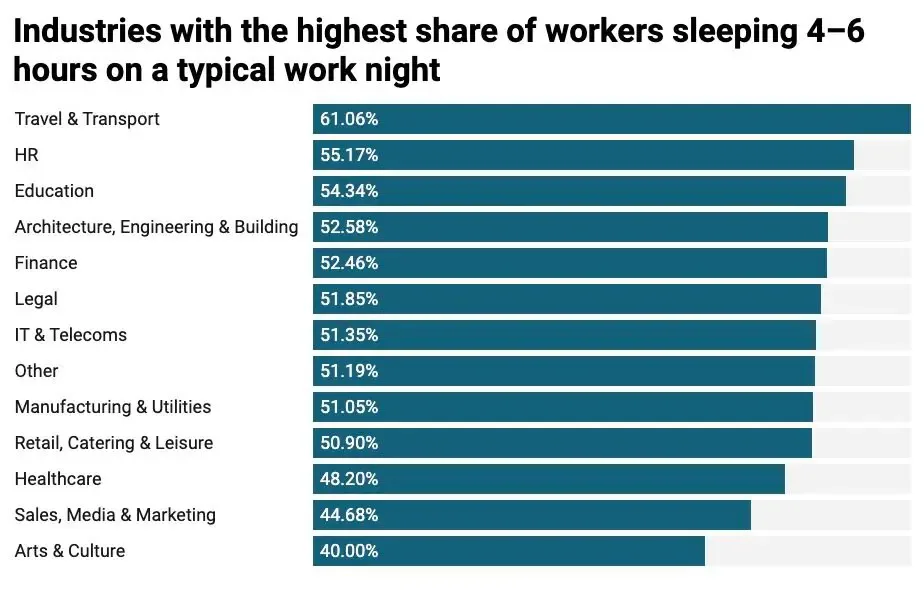
Train and lorry drivers and airline crew are among the most sleep-deprived workers in the UK
Chronic sleep loss among transport workers is particularly concerning, as even an hour of lost sleep can impact concentration, reaction time, and decision-making, creating potential safety risks on roads, railways, and in aviation. The survey also found that work stress is the single biggest driver of sleep loss nationwide, affecting 7.6 million UK workers.
Tom Coleman, sleep expert at Hillarys, comments:
“People often underestimate how much lack of sleep affects performance. In high-stakes jobs like transport, being chronically underslept can slow reaction times, impair decision-making and increase the likelihood of accidents.
“This isn’t just personal fatigue – it’s a public safety issue affecting millions of commuters and passengers. Small improvements in sleep routines, stress management, and recovery can make a real difference for both worker wellbeing and national safety.”
Travel and transport workers face the double challenge of irregular hours and high responsibility for public safety. Chronic fatigue in this sector is not just a personal health issue; it has implications for commuters and the wider public relying on safe, reliable transport.
Which region has the most road accidents linked to fatigue?
| Rank | Emergency Service | Total incidents linked to sleep or fatigue (2020 — 2025) |
|---|---|---|
| 1 | Hertfordshire Police | 2,687 |
| 2 | Cambridgeshire Police | 1,515 |
| 3 | Leicestershire Police | 880 |
| 4 | Greater Manchester Police | 725 |
| 5 | Kent Police | 462 |
| 6 | Thames Valley Police | 342 |
| 7 | Sussex Police | 280 |
| 8 | Devon & Cornwall Police and Dorset Police | 798 |
| 9 | Essex Police | 233 |
| 10 | Wiltshire Police | 201 |
The total number of incidents attended where sleep, fatigue or driving while tired was recorded. Incidents may include, but are not limited to: falling asleep while driving, road traffic collisions where driver fatigue was cited, etc. All data is correct as of August 2025. The full dataset can be found here.
Hertfordshire, Cambridgeshire and Leicestershire residents are most at risk of accidents linked to lack of sleep
Hillarys analysis of Freedom of Information (FOI) data has revealed that Hertfordshire Police attended the most sleep-related incidents of all emergency services analysed, with 2,687 recorded between 2020 and 2025. Ranking second is Cambridgeshire, with 1,515 incidents.
In third is Leicestershire Police, which recorded 880 road accidents linked to sleep since 2020. The majority of incidents (564) were recorded as traffic offences, but 126 led to serious injury, and 72 were fatal, highlighting the significant risks of fatigue at the wheel.
Sleep-deprived drivers are as impaired on the roads as those over the legal alcohol limit
Research shows that the degree of cognitive impairment from sleep deprivation can match or even exceed the kind of driving impairment seen with low levels of alcohol intoxication. Studies found that drivers getting less than five hours of sleep have up to 4.3 times the crash risk of those with adequate rest, comparable to risk levels associated with drunk driving.3
Another study showed that a single night of sleep deprivation produced worse performance on simulated driving tasks than being slightly over the legal drink‑drive limit in Scotland (a blood alcohol concentration of 22 µg/100 ml) – suggesting fatigue can degrade reaction times, lane control and decision‑making in a way comparable to alcohol impairment.4