For decades, the car has been associated with freedom. Yet in modern Britain, much of driving has become purely functional: commuting, school runs, supermarket trips and motorway journeys squeezed between busy schedules. Cars are often treated as tools rather than sources of enjoyment.
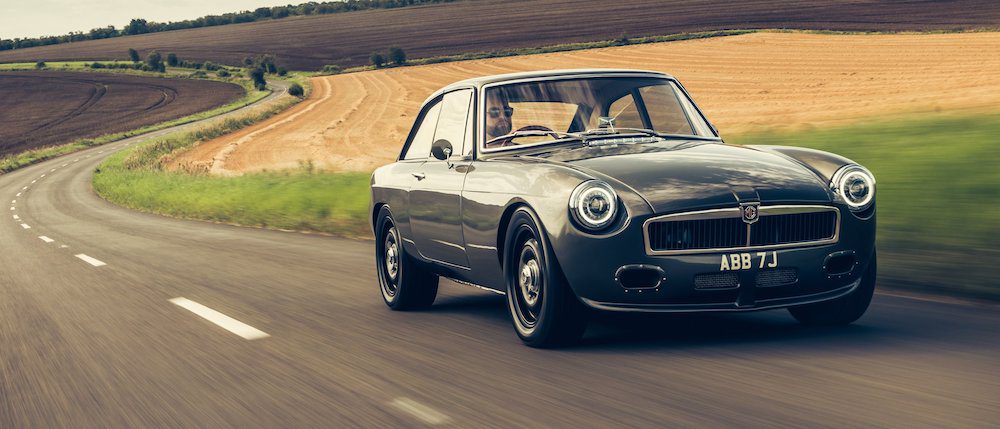
But alongside this utilitarian reality, another trend has quietly grown stronger — the rise of the “weekend car.” Increasingly, drivers are keeping or acquiring vehicles that exist not for necessity, but for pleasure. Whether it’s a classic roadster, a performance coupe or simply a well-loved project car, these vehicles are reserved for moments when driving becomes an experience rather than an obligation.
In a world of traffic apps, automation and electrification, the idea of driving purely for enjoyment might seem nostalgic. Yet it remains surprisingly resilient.
The Shift from Everyday Driving to Intentional Driving
Several factors have contributed to the changing relationship people have with their cars.
Urbanisation and rising congestion mean daily driving often involves crowded roads and short trips rather than open drives. At the same time, hybrid work has reduced commuting for many professionals, meaning the car is no longer required every day.
Instead of abandoning driving entirely, many enthusiasts are reframing it. The “weekend car” represents a deliberate separation between practical mobility and emotional motoring.
A practical vehicle may handle weekday duties — efficient, economical and reliable. The second car, however, exists for a different purpose entirely: connection with the road.
These cars might include:
- Classic sports cars from the 1980s or 1990s
- Modern performance hatchbacks
- Lightweight convertibles designed for country roads
- Carefully restored vintage vehicles
For owners, the appeal is less about speed and more about experience — the sound of an engine, the feel of a manual gearbox, or the simple pleasure of a quiet Sunday drive.
Driving as a Form of Escapism
The psychological appeal of the weekend car shouldn’t be underestimated. In an era dominated by screens, schedules and digital noise, driving offers a rare form of analogue escape.
A scenic drive through rural landscapes provides a sense of control and immersion that few modern activities replicate. Unlike commuting, there is no destination deadline or productivity expectation. The journey itself becomes the reward.
This explains why many enthusiasts describe driving as therapeutic. The focus required to navigate winding roads or manage a responsive vehicle creates a kind of mindful engagement — similar to cycling, hiking or sailing.
The car becomes less a transport device and more a hobby.
The Influence of Car Culture and Community
Another reason weekend cars continue to thrive is the strength of automotive communities.
Across the UK, events such as local car meets, classic car shows and enthusiast drives have grown steadily in popularity. Social media has amplified this culture, making it easier for owners to share builds, restoration projects and road trip experiences.
Platforms like YouTube and Instagram have also introduced younger audiences to enthusiast motoring. Content creators showcasing road trips, track days and classic restorations have helped reposition driving as a lifestyle rather than a chore.
As a result, ownership of a distinctive vehicle is often about identity as much as engineering. Drivers want their cars to reflect personal taste, history or craftsmanship.
For some, that means preserving originality. For others, it means subtle personalisation — from wheels and paintwork to bespoke interior details.
Personalisation and the Search for Identity
Vehicle personalisation has become a defining feature of modern car culture. Even owners of relatively modest vehicles increasingly look for ways to make them unique.
This trend reflects a broader cultural shift: people want products that express individuality. Cars, given their visibility and emotional value, naturally become part of that expression.
Customisation can take many forms, including:
- Aftermarket styling upgrades
- Interior modifications
- Performance tuning
- Unique paint colours or wraps
Another subtle but meaningful form of personalisation involves vehicle registration choices. For drivers investing in personal identity through their vehicles, companies like
Number 1 Plates
Importantly, these choices are rarely about status alone. They often represent sentiment — a birth year, nickname or personal milestone attached to a car that already holds emotional significance.
The Electric Era and the Future of Weekend Cars
The rise of electric vehicles has prompted debate about the future of enthusiast motoring. EVs offer impressive performance and efficiency, but they deliver a very different sensory experience compared with traditional petrol cars.
For some drivers, this difference strengthens the appeal of keeping a weekend car with a combustion engine. The sound, mechanical engagement and analogue feel become part of the attraction.
At the same time, new forms of enthusiast vehicles are emerging within the electric space. High-performance EVs with instant torque are creating their own form of excitement, while electric restomod projects are blending classic styling with modern technology.
Rather than disappearing, weekend car culture may simply evolve. Future enthusiasts could find joy in both vintage petrol engines and cutting-edge electric performance.
Why the Weekend Car Endures
Despite changing technology and driving habits, the core appeal of the weekend car remains simple: it preserves the joy of driving.
When cars are reduced to daily logistics, their emotional value can fade. The weekend car reverses that dynamic. By limiting when and why a vehicle is used, owners reconnect with the experience itself.
It’s not about necessity.
It’s about anticipation.
The drive becomes something to look forward to — a quiet early-morning run through country roads, a visit to a local car meet, or a spontaneous road trip when the weather turns bright.
In a world increasingly focused on efficiency, that sense of enjoyment may be exactly why the weekend car continues to matter.
And as long as people see cars as more than just transport, there will always be a place for vehicles driven purely for the love of the road.