Why Smart Business Owners See a Truck Wrap as an Investment, Not a Cost
Posted by James Ruppert | Jul 23, 2026 | Articles, Transportation, Truck, Wrap
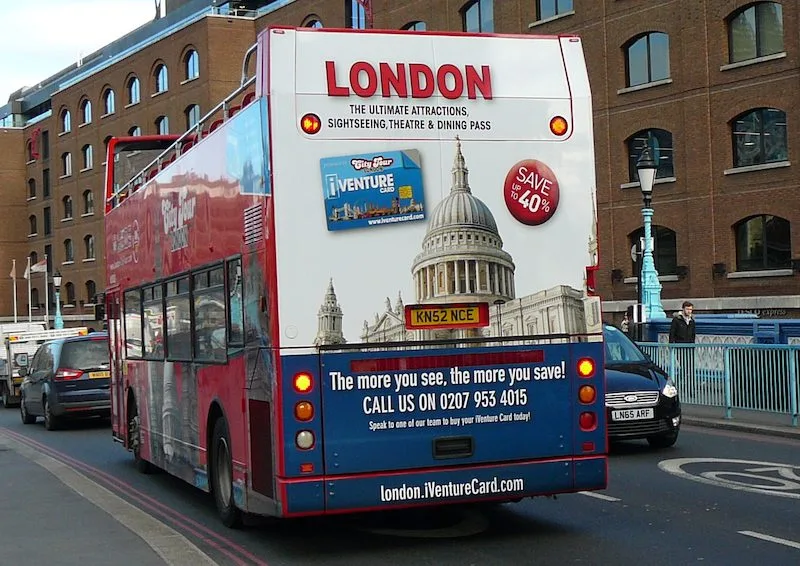
Spend money once, and it keeps generating value for years, that’s the basic definition of an investment, and it’s exactly why so many business owners have stopped thinking of a truck wrap as just another expense. A monthly ad subscription disappears the moment payments stop, while a wrap’s cost is paid once and keeps working for as long as it stays on the vehicle, quietly compounding in value the longer it’s actually in use.
According to the U.S. Small Business Administration, businesses are generally advised to treat marketing spend as an investment that drives new customer acquisition, rather than a pure expense to be minimized.
That difference in structure is what separates a genuine investment from a routine expense, and it becomes clear once you look past the upfront price and consider what a wrap actually delivers over its lifespan.
Here are five specific ways a wrap behaves like an asset that keeps paying back, not a bill that simply gets forgotten:
1. No Recurring Bill to Keep the Advertising Running
Once a wrap is installed, there’s no monthly invoice required to keep it advertising, unlike a digital ad campaign, radio spot, or billboard lease that stops delivering the moment a payment is missed. The cost is settled once, and the advertising simply continues from that point forward without any ongoing commitment attached to it.
This structure is what actually defines an investment rather than an expense: money spent once that keeps returning value, instead of a recurring cost that has to be renewed indefinitely just to maintain the same level of visibility a business already had.
2. A Lower Cost for Every Person Who Actually Sees It
Spread a wrap’s one-time cost across the thousands of people who see it over its lifespan, and the cost per person reached comes out considerably lower than most paid advertising formats charge for the same reach. A single wrap parked at a job site or driving through traffic accumulates impressions continuously, without any additional spend required to keep generating them.
This is exactly the kind of return that defines a sound investment, a fixed cost that generates an increasingly favorable return the more it’s used, rather than a bill that simply reflects a single, limited placement.
3. Visibility That’s Impossible to Scroll Past or Skip
A wrapped vehicle sitting in traffic or parked at a curb doesn’t compete with a mute button, an ad blocker, or a scrolling thumb the way digital ads do. Anyone near the vehicle sees it, whether or not they were looking for an advertisement at that moment, which gives a wrap a kind of guaranteed exposure that many paid ad formats can’t claim.
This unavoidable visibility adds real value to the investment, since it isn’t dependent on an algorithm deciding to show the ad or a viewer choosing to engage with it.
4. Branding That Works Around the Clock in Your Own Territory
A wrap advertises everywhere the truck actually goes, the same neighborhoods, job sites, and parking lots where a business’s real customers already are, and it keeps working during hours nobody’s actively managing a marketing campaign. This built-in local presence happens automatically, without needing to configure a target radius the way online ads require.
Round-the-clock branding like this is part of what makes a wrap behave like an asset generating passive value, rather than a campaign that needs constant oversight to keep performing.
5. Exposure and Protection Working Together, Not Separately
A wrap generates visibility passively, simply by existing on a vehicle that’s already part of daily operations, without requiring a business to actively manage impressions the way a digital campaign does. That passive exposure is a genuinely investment-like trait on its own, but a wrap adds a second return most advertising formats can’t offer at all.
The same vinyl generating visibility also shields the vehicle’s factory paint from scratches, sun fading, and everyday wear, meaning the investment is quietly working in two directions at once. A wrap removed after several years typically reveals paint in noticeably better condition than an unwrapped vehicle, translating directly into stronger resale value on top of the advertising return already collected.
Choosing the Right Provider to Protect This Investment
Not every wrap installer delivers a result durable enough to actually hold up as a long-term investment, and that distinction matters considerably given how much of the value described above depends on the wrap lasting years, not months. A poorly installed wrap can peel, fade, or need replacing far sooner than expected, quietly erasing the return the investment was supposed to generate.
A few things are worth confirming before choosing who installs a wrap meant to last: the quality of vinyl used, the installer’s specific experience with commercial vehicles, and whether the work comes backed by a warranty that reflects genuine confidence in its durability. For anyone comparing options for truck wraps cost against expected durability, this kind of upfront comparison is worth doing before committing to an installer.
RoadRunner Wraps is one option worth getting a quote from, since seeing an accurate, vehicle-specific number makes it far easier to judge whether a quote reflects the quality this kind of investment actually requires.
Planning This as a Multi-Year Investment, Not a One-Time Purchase
Once a provider has been chosen with this level of care, the next step is treating the decision the way a business would treat any other asset purchase, budgeting for it against the years of return it’s expected to generate, not just the immediate expense on the books this quarter. A specific, vehicle-based quote makes this planning concrete rather than theoretical.
This mindset shift, from a single line-item expense to a multi-year asset, is often what finally convinces a hesitant business owner that the upfront number is smaller than it looks once spread across everything the wrap will actually deliver.
Final Thoughts
A truck wrap earns its place in the investment category because it keeps generating value long after the initial cost is paid, protects the vehicle it’s applied to, and delivers visibility that doesn’t depend on an ongoing bill to keep working. Business owners who evaluate a wrap this way, rather than as a one-time expense, tend to find it one of the more straightforward financial decisions available to a growing business.