
What to Expect From Gas Prices in the Next 5 Years
Posted by James Ruppert | Mar 18, 2026 | Articles, Car Care, Fuel Costs, Miles Per Gallon, Running Costs
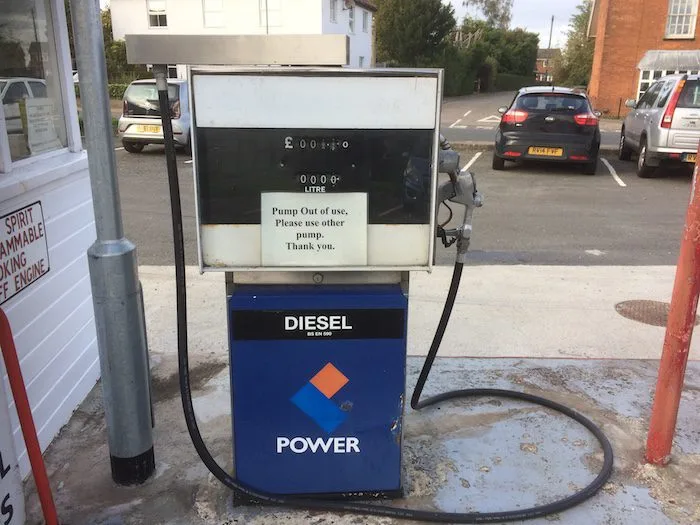
Gasoline prices shape everyday decisions, from commuting to long-distance travel. Over the next five years, several global and local forces will influence what drivers pay at the pump says Oscar Collins Editor of Modded
Energy markets evolve quickly as technology advances, policies shift and demand patterns change. At the same time, supply chains and geopolitical events continue to affect oil production and distribution. Understanding these trends can help you anticipate how fuel prices may evolve through the end of the decade.
Gas Projections for the Next 5 Years
Gas price forecasts have become more uncertain due to geopolitical tensions involving Iran. While earlier projections pointed to a decline, current conditions suggest greater volatility and upward pressure, driven by risks to oil supply and key routes like the Strait of Hormuz.
As a result, energy prices are fluctuating amid higher shipping costs, insurance premiums and supply risks. This shows how quickly geopolitical events can trigger price shocks.
Electric vehicle adoption is accelerating worldwide and will likely influence gasoline demand by 2030. By 2023, the world had about 3.9 million public EV chargers, with China leading global infrastructure development and operating the fastest-charging stations. Europe and the United States are also expanding their charging networks.
UK transport must cut emissions rapidly to meet net-zero goals, as most reductions need to happen well before 2050. Surface transport, which includes road and rail, must reach absolute zero, since limited carbon removal is reserved for aviation. It accounted for 36% of UK emissions in 2023, and progress here is essential. The UK aims for 68% lower territorial emissions by 2030, requiring a much faster pace of reduction outside the power sector. Urgent, deep cuts in transport are now critical.
Governments are setting ambitious targets that could reshape fuel demand this decade. The U.S. aims to have more than 50% of new vehicle sales be electric by 2030. China plans to have 45% of new car sales be new-energy vehicles by 2027.
These policies and infrastructure investments suggest EVs will represent a much larger share of new car sales by 2030. However, gasoline vehicles will remain widespread because the global vehicle fleet changes slowly. This means EV growth will likely reduce gas demand gradually rather than abruptly.
Simultaneously, recent advancements in internal combustion engines have improved efficiency through technologies such as direct fuel injection, variable valve timing and turbocharging. Some turbocharged engines can increase fuel economy by up to 10%, helping people use less gas even as gasoline vehicles remain common. These drivers shape gasoline price forecasts, including global oil production, geopolitical tensions, EV adoption, government policies and taxes, and distribution and marketing costs.
Global Oil Production and Geopolitical Tensions
Global oil production plays a major role in the gasoline prices you see every day. Around 100 countries produce crude oil, but just five nations — the United States, Russia, Saudi Arabia, Iraq and Canada — account for about 51% of global production. Because supply is concentrated among a few major producers, political decisions and international events can quickly influence oil prices. OPEC (the Organization of the Petroleum Exporting Countries) is a central force in the international oil market.
Its 13 members control over 80% of proven oil reserves and produce about 40% of global crude, giving them significant influence over supply. Production changes through OPEC+ partnerships can push prices up or down. Geopolitical tensions — such as conflicts or sanctions — can also disrupt supply chains, and even small disruptions can affect gasoline prices worldwide.
Government Policies, Regulations and Taxes
Numerous local, state and federal taxes will greatly affect fuel prices. In fact, taxes rank as the second-largest factor influencing gas costs. On average, these taxes and fees account for about 14% of the price individuals pay at the pump.
Governments are using policies like carbon pricing to reduce emissions and reach net zero by midcentury, especially in transportation. Carbon taxes or emissions trading make fossil fuels more expensive and encourage cleaner alternatives, though high or low oil prices can limit their impact. Dynamic carbon taxes that adjust with oil prices could stabilize incentives, helping reduce transport pollution and support the shift to cleaner energy.
Distribution and Marketing
After refining, gasoline travels from refineries to terminals and then to local stations, often blended with additives to meet standards. This delivery network, including pipelines and tanker trucks, affects the price drivers pay at the pump.
Distribution and marketing costs related to fuel, labor, logistics and station upkeep vary by region and add to gasoline prices. Together, they account for about 11% of a gallon’s price in the U.S., a smaller but notable portion of what drivers pay.
The Future Is Fluid
Several key forces will shape gasoline prices in the coming years, including global oil production, the rise of electric vehicles and evolving government policies. Supply chains, distribution networks and regional conditions also influence what drivers pay at the pump.
Amid current geopolitical tensions involving Iran, markets are experiencing increased volatility and short-term upward pressure on energy prices. These factors will define gas price trends for years to come.
Oscar Collins editor Modded.com