What a Truck's Previous Work History Can Tell You Before Buying
Posted by James Ruppert | Oct 30, 2026 | 4 x 4, Buying Used, Truck
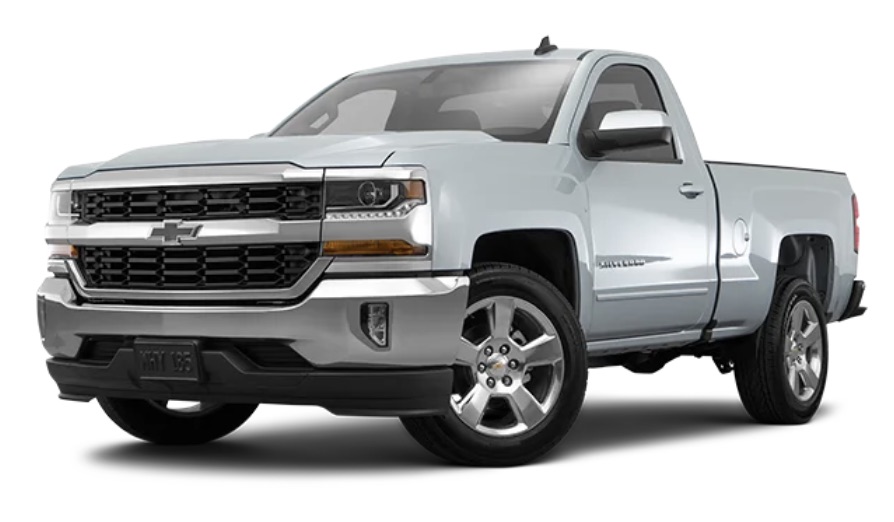
A used truck’s condition is influenced by more than its age and mileage. How the previous owner used the vehicle can reveal important details about its mechanical condition, maintenance requirements, and remaining working life. Buyers comparing used pickup trucks under $15,000 in San Angelo should look beyond the asking price and investigate whether a truck was mainly used for commuting, towing, construction, farming, or other demanding activities. Understanding its previous work history can help identify potential problems, estimate future expenses, and make a more informed purchasing decision.
Understand How Previous Use Affects a Truck
Pickup trucks are designed to handle a variety of tasks, but not every type of use places the same demands on their components. A truck used mainly for daily commuting may experience less mechanical stress than one regularly carrying heavy materials or towing large trailers.
Work-related use can affect the engine, transmission, suspension, brakes, tires, and frame. Frequent heavy hauling may place additional pressure on the rear suspension and drivetrain. Repeated towing can increase transmission temperatures and place greater demands on the braking system. Driving on rough construction sites or unpaved roads may also expose the undercarriage to damage.
However, commercial use does not automatically mean a truck is a poor purchase. Some work vehicles receive consistent maintenance because their owners depend on them every day. The important factor is understanding how the vehicle was used and whether it received appropriate care.
Ask About the Truck’s Previous Jobs
Start by asking the seller what the truck was primarily used for. A vehicle previously owned by a contractor may have carried tools, building materials, or equipment. A farm truck may have spent considerable time on dirt roads, while a landscaping vehicle might have transported soil, plants, and heavy machinery.
These details help you understand which parts may have experienced additional wear. For example, a truck used for frequent towing may require closer inspection of its transmission, hitch, cooling system, and rear suspension. A vehicle that regularly transported heavy loads may show signs of wear around the bed, tires, and suspension components.
Ask how long the previous owner used the truck for work and whether it was operated by one driver or several employees. Vehicles shared among multiple drivers may have experienced different driving habits and maintenance practices.
Examine the Mileage Alongside Usage Patterns
Mileage is an important consideration when purchasing a used pickup, but it does not tell the complete story. Two trucks with similar odometer readings can have very different mechanical histories.
A truck that accumulated most of its mileage through steady highway driving may have experienced different wear from one that spent long hours idling or repeatedly traveling short distances. Work vehicles may also operate for extended periods without covering many miles, particularly when used at job sites.
Ask whether the truck spent significant time idling, operating in stop-and-go traffic, or traveling over rough terrain. Frequent idling can contribute to engine wear and may be particularly relevant for vehicles with diesel engines. Repeated short trips may also prevent some engines from reaching their normal operating temperature.
Compare mileage with available service records and the seller’s description of the vehicle’s previous use. This provides a more complete picture than relying on the odometer alone.
Look for Signs of Heavy Towing
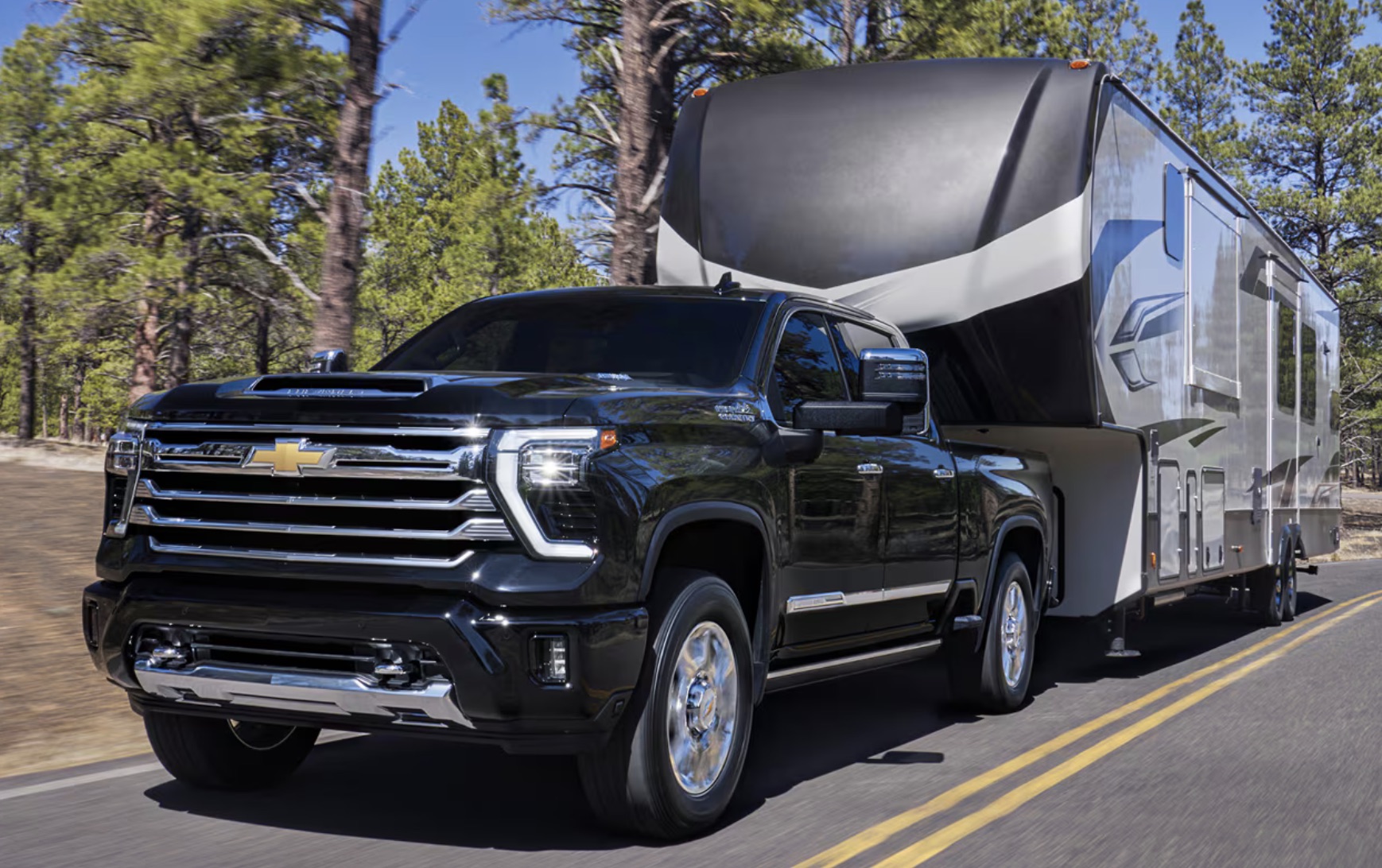
Towing can be a demanding activity, especially when a truck regularly pulls trailers, boats, or heavy equipment. Before purchasing a used pickup, ask whether it was used for towing and what types of loads it typically handled.
Inspect the trailer hitch, receiver, electrical connections, and surrounding frame areas for visible damage or excessive wear. Check whether the truck has an integrated trailer brake controller or other towing equipment, if applicable. These features may indicate how the previous owner configured the vehicle, although their presence does not prove that it was heavily used.
During a test drive, pay attention to transmission behavior. Delayed shifting, slipping, unusual noises, or rough gear changes should be investigated. Also inspect the cooling system for leaks and signs of previous repairs.
The truck’s towing history should be compared with its factory specifications. Engine, drivetrain, axle ratio, and equipment packages can affect towing capacity. A previous owner who regularly exceeded the manufacturer’s limits may have placed unnecessary stress on important components.
Inspect the Truck Bed for Work-Related Damage
The truck bed often reveals how the vehicle was used. Deep scratches, dents, damaged bed rails, and worn tie-down points may indicate frequent transportation of tools or heavy materials.
Look carefully at the bed floor and wheel wells. Repeated loading and unloading can damage protective coatings and expose metal surfaces to moisture. If rust develops, it may spread over time and require repairs.
A bed liner can provide useful protection, but it should not prevent a proper inspection. Check accessible areas for trapped moisture, corrosion, or damage. Also examine the tailgate to make sure it opens, closes, and locks correctly.
Accessories such as toolboxes, bed covers, ladder racks, and cargo management systems can provide clues about the truck’s previous role. Ask whether these accessories are included in the sale and whether they were professionally installed.
Check the Suspension, Tires, and Braking System
A truck that regularly carried heavy loads may show additional wear in its suspension system. Inspect the shocks, springs, control arms, bushings, and other visible components for damage or leaks.
During the test drive, notice whether the vehicle bounces excessively, feels unstable, or produces knocking sounds when traveling over uneven surfaces. These symptoms may indicate worn suspension components or other mechanical problems.
Tires can also provide useful information. Uneven tread wear may point to alignment issues, suspension damage, or incorrect tire pressure. Check for cracks, bulges, and differences in tire condition across the vehicle.
The braking system deserves similar attention. A pickup that frequently carried heavy loads or pulled trailers may have experienced greater brake wear. Listen for grinding or squealing and notice whether the vehicle pulls to one side when stopping. A professional inspection can help determine whether the pads, rotors, calipers, or other components need replacement.
Review Maintenance Records and Repair History
Service records can help confirm whether a truck received the maintenance required for its previous workload. Ask for invoices, maintenance logs, inspection reports, and records of major repairs.
Look for regular oil changes, transmission servicing, brake maintenance, coolant replacement, and other scheduled work. If the vehicle has a diesel engine, review records for the maintenance specific to that powertrain.
Pay attention to repeated repairs involving the same component. For example, multiple transmission repairs or recurring cooling system problems may suggest an unresolved issue. Ask the seller for an explanation and consider having the vehicle evaluated by an independent mechanic.
A truck with a demanding work history but complete maintenance documentation may be a more reasonable purchase than one with limited use and no reliable service records. Consistent maintenance does not guarantee that every component is in perfect condition, but it provides useful evidence of responsible ownership.
Check for Accident Damage and Frame Repairs
Work vehicles may be exposed to tight job sites, trailers, heavy equipment, and challenging road conditions. This makes it important to inspect the body and frame for signs of previous damage.
Look for mismatched paint, uneven panel gaps, damaged bumpers, and unusual welding marks. These details may indicate previous repairs. Pay particular attention to the frame because structural damage can affect the truck’s stability, alignment, and overall safety.
A vehicle history report can provide information about reported accidents, title status, ownership changes, and available mileage records. However, not every incident appears in these reports. A physical inspection remains essential.
If you notice possible structural repairs, arrange for a qualified professional to evaluate the truck before agreeing to purchase it.
Consider Whether the Truck’s History Matches Your Needs
A pickup’s previous work history should be evaluated in relation to how you intend to use it. A truck previously used for light commercial duties may be suitable for everyday transportation, occasional hauling, and home projects. A vehicle that regularly handled demanding towing jobs may require more careful inspection.
Think about the type of work you expect the truck to perform. If you need it for regular hauling, check its payload rating and suspension condition. If you plan to tow a trailer, verify the towing specifications of the exact model and configuration.
You should also consider whether the truck’s cab, bed length, and engine match your requirements. A well-maintained vehicle may still be unsuitable if it lacks the passenger space, cargo capacity, or towing capability you need.
Arrange a Professional Inspection Before Buying
Even a detailed review of a truck’s history cannot replace a mechanical inspection. An independent mechanic can examine the engine, transmission, drivetrain, frame, suspension, brakes, and electrical systems.
A diagnostic scan may reveal stored trouble codes that are not immediately visible on the dashboard. The mechanic can also identify signs of excessive wear and estimate upcoming repair costs.
Use the inspection findings when discussing the purchase price. If the truck needs new tires, brake repairs, or suspension work, these expenses should be considered before finalizing the deal. Be cautious if the seller refuses to allow an independent inspection.
Make a Better Decision by Understanding Its History
A truck’s previous work history can reveal how it was maintained, what demands it experienced, and which components may need attention. Mileage and appearance are useful starting points, but they do not explain the complete condition of a used pickup.
Ask detailed questions, review service records, inspect areas affected by heavy work, and arrange a professional evaluation. By understanding how the truck was used before you owned it, you can make a more informed decision and choose a pickup that offers practical value for your needs.