Understanding Payload and Trailer Ratings Before Buying a New Chevy Truck
Posted by James Ruppert | Oct 30, 2026 | 4 x 4, Chevrolet, Trailer, Hauling, Payload
Choosing a pickup truck involves more than comparing engine power, exterior design, or available technology. Buyers who plan to carry equipment, transport materials, or tow trailers should understand payload and towing ratings before making a decision. When exploring new Chevy trucks for sale, knowing how these ratings work can help identify a truck that matches specific work and recreational requirements. Chevrolet offers pickups in different sizes and configurations, so comparing their capabilities carefully is essential for choosing a vehicle that can handle its intended responsibilities safely and effectively.
What Payload Capacity Means
Payload capacity refers to the total weight a truck can carry inside the vehicle and its bed. This includes passengers, cargo, tools, accessories, and the weight placed on the truck through a trailer’s tongue or hitch. It is different from towing capacity, which describes how much weight the truck can pull.
For example, a truck may have enough towing capacity for a particular trailer but still exceed its payload limit once passengers, equipment, and trailer tongue weight are included. This is why buyers should never assume that a high towing rating automatically means the truck can carry any additional load.
Payload capacity is determined by the truck’s design, including its frame, suspension, tyres, brakes, and other components. Different cab styles, bed lengths, drivetrains, and equipment packages can affect the final rating. Even two trucks from the same model range may have different payload limits.
Understanding payload is especially important for contractors, tradespeople, and outdoor enthusiasts who regularly carry heavy equipment or supplies.
Understanding Trailer and Towing Ratings
Towing capacity is the maximum trailer weight a properly equipped vehicle is rated to pull under specified conditions. Chevrolet publishes towing information for its trucks based on factors such as engine selection, drivetrain, axle ratio, cab configuration, and available towing equipment.
A truck’s maximum towing figure is useful as a starting point, but it should not be treated as a universal rating for every configuration. A model advertised with an impressive maximum capacity may achieve that figure only when equipped with a particular engine, drivetrain, cab, and towing package.
Buyers should also understand the difference between a trailer’s empty weight and its loaded weight. A trailer that weighs relatively little when empty can become substantially heavier after adding furniture, tools, recreational equipment, water, or other supplies.
The combined weight of the trailer and everything inside it must remain within the truck’s approved towing limits. Choosing a truck based only on the trailer’s empty weight can result in an unsuitable purchase.
Comparing Chevrolet Truck Models
Chevrolet provides several pickup options for different workloads. The Colorado is a midsize truck designed for drivers who want a balance between everyday usability and pickup capability. It may suit people who need to transport smaller loads, carry recreational equipment, or tow appropriately sized trailers.
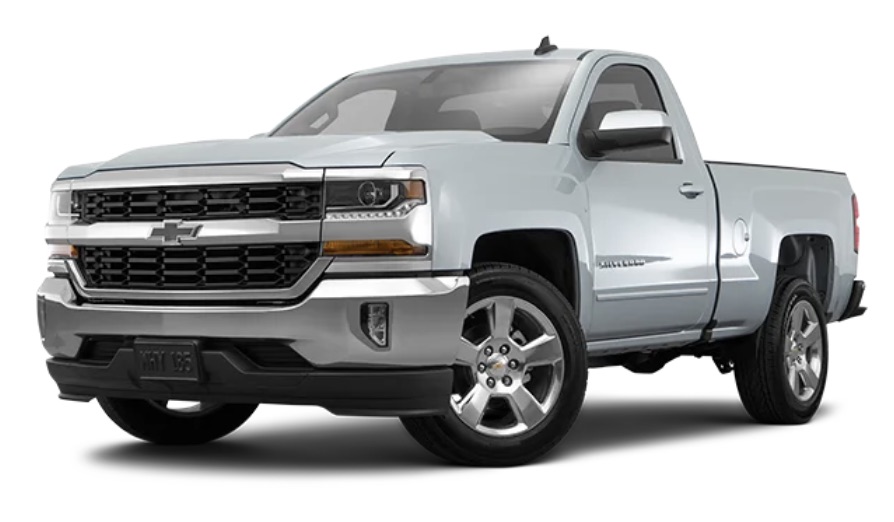
The Silverado 1500 offers a larger platform with a wider range of engine and configuration choices. Depending on the equipment selected, it can support everyday transportation, construction work, recreational towing, and other demanding tasks.
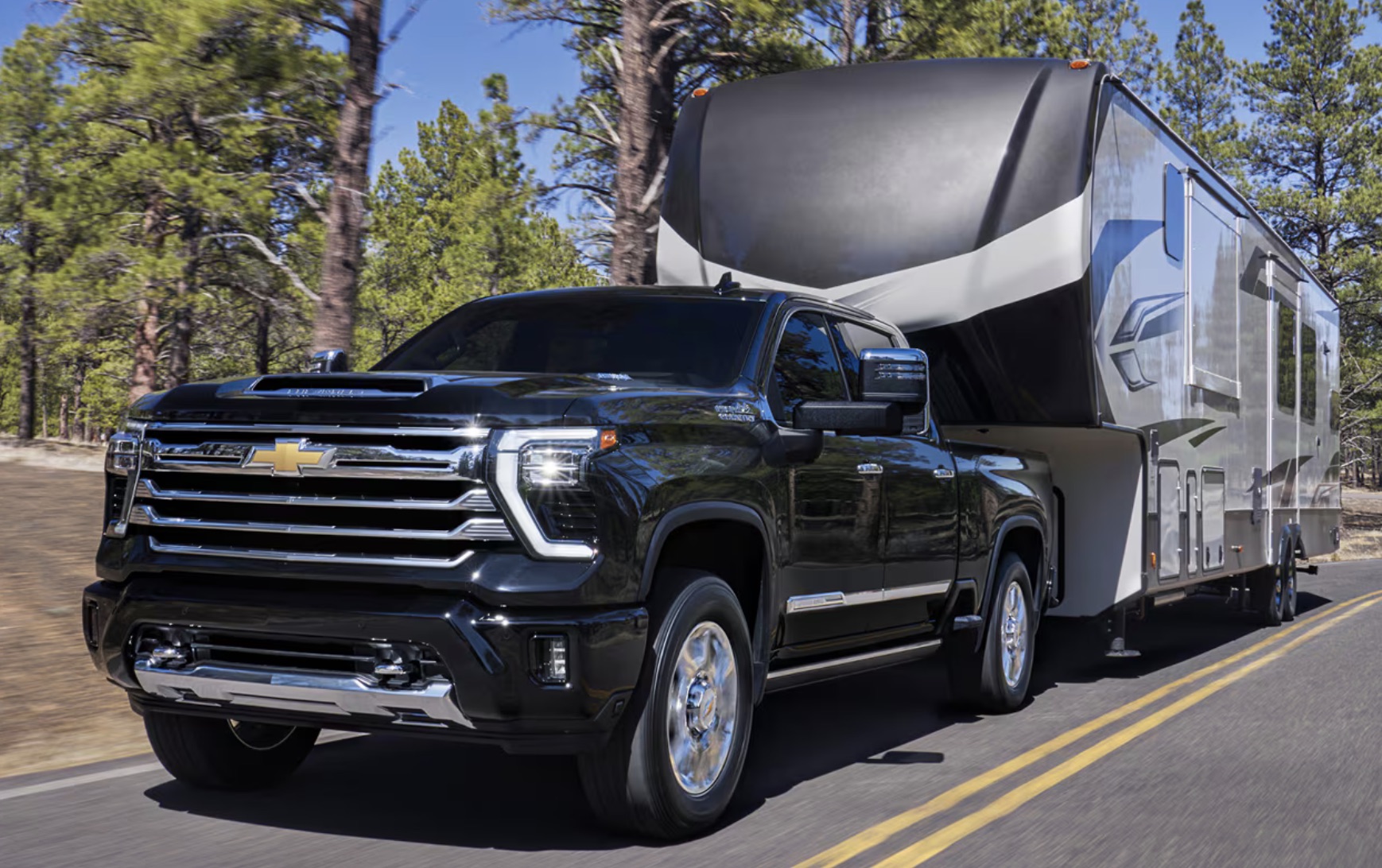
For buyers who regularly carry heavier cargo or tow substantial trailers, the Silverado HD range provides additional capability. The Silverado 2500 HD and 3500 HD are designed for more demanding applications, with different configurations available to support commercial and recreational requirements.
The correct model depends on the actual weight of the loads being transported. A midsize truck may be sufficient for occasional light-duty work, while frequent heavy towing may require a properly equipped heavy-duty pickup. Buyers should compare the exact specifications of each configuration rather than relying on model names alone.
Why Truck Configuration Affects Capacity
One of the most important details when comparing truck ratings is the vehicle’s configuration. Cab size, bed length, engine, drivetrain, axle ratio, and optional equipment can all influence payload and towing capabilities.
A larger cab may provide additional passenger space, but its extra weight can reduce the amount of payload available. Similarly, four-wheel drive can change a truck’s weight and capacity compared with a two-wheel-drive configuration.
Optional accessories also matter. Running boards, bed covers, toolboxes, aftermarket bumpers, and other additions contribute to the vehicle’s total weight. Every additional item reduces the remaining payload available for passengers and cargo.
This means buyers should evaluate the specific truck they intend to purchase. General specifications for an entire model range may not accurately represent the capacity of an individual vehicle.
The manufacturer’s payload information and certification label on the driver’s door area can help confirm the vehicle’s actual limits. Reviewing these details before purchasing is more reliable than assuming every truck with the same model designation has identical capabilities.
Gross Vehicle Weight Rating and Gross Combined Weight Rating
Two additional terms are important when evaluating truck capacity: Gross Vehicle Weight Rating and Gross Combined Weight Rating.
Gross Vehicle Weight Rating, commonly called GVWR, refers to the maximum permitted total weight of the fully loaded truck. This includes the vehicle itself, passengers, cargo, and applicable trailer tongue or pin weight.
Gross Combined Weight Rating, or GCWR, refers to the maximum allowable combined weight of the loaded truck and the loaded trailer. It accounts for the complete combination rather than the truck alone.
Both ratings help determine whether a particular truck can handle a planned workload. A vehicle may remain within its towing capacity but exceed its GVWR because too much weight is being carried inside the cab or bed.
Buyers should also consider the truck’s Gross Axle Weight Ratings, which establish the maximum load permitted on each axle. Unevenly distributed cargo can place excessive weight on one axle even when the overall vehicle weight appears acceptable.
Understanding these figures provides a more complete picture of what a truck can safely carry and tow.
Calculating the Weight of Your Typical Load
Before selecting a truck, buyers should estimate the weight of their regular cargo and trailer. This includes items that may not seem particularly heavy individually but can add up when transported together.
For example, a contractor may need to account for tools, building materials, storage boxes, passengers, and additional equipment. A recreational vehicle owner may need to include the trailer, water, batteries, food, luggage, and camping supplies.
Trailer tongue weight is another important consideration. With conventional bumper-pull trailers, a portion of the loaded trailer’s weight is transferred to the truck through the hitch. This weight counts against the truck’s payload capacity.
Fifth-wheel and gooseneck trailers transfer their vertical load differently, but the weight carried by the truck still needs to remain within the applicable limits.
It is sensible to leave some additional capacity rather than choosing a truck that operates close to its maximum rating every time it is used. This allows greater flexibility when passengers, equipment, or cargo requirements change.
Why Proper Weight Distribution Matters
Choosing a truck with suitable ratings is only part of the process. How cargo and trailer weight are distributed can also influence vehicle stability and handling.
Heavy items should be positioned and secured according to the vehicle and trailer manufacturer’s guidance. Poorly distributed cargo can affect steering, braking, and overall balance. An improperly loaded trailer may also sway, creating additional challenges for the driver.
A properly matched hitch and suitable towing equipment are equally important. Depending on the trailer, buyers may need a compatible receiver, brake controller, weight-distributing hitch, or other equipment. Trailer brakes must also be maintained and used as required.
Tyre pressure should be checked against the manufacturer’s recommendations for the vehicle’s load and operating conditions. Regular inspections of tyres, suspension components, brakes, and towing connections can help support safer operation.
Choosing a Chevy Truck for Long-Term Requirements
A truck should be selected based on both current needs and realistic future requirements. Someone who occasionally transports gardening supplies may not need the same capacity as a business owner who regularly hauls construction equipment.
However, buying a truck with too little capacity can create limitations later. If work responsibilities expand or towing requirements increase, the vehicle may no longer be suitable. On the other hand, choosing a much larger truck than necessary can increase purchase and operating expenses.
Buyers should consider their heaviest expected loads, how often they will tow, how many passengers will travel, and whether the truck will be used for commercial or personal purposes.
Comparing the Colorado, Silverado 1500, and Silverado HD models can help narrow the options. Reviewing the manufacturer’s towing guide and the specific vehicle’s certification information is essential before making a final decision.
Making an Informed Truck Purchase
Payload and trailer ratings are fundamental considerations when buying a new Chevrolet pickup. Towing capacity explains how much a truck can pull, while payload capacity determines how much weight it can carry. GVWR, GCWR, and axle ratings provide additional information about the vehicle’s overall limits.
Understanding these specifications helps buyers avoid choosing a truck that is unsuitable for their regular workload. By comparing exact configurations, estimating real cargo weights, and considering future requirements, buyers can select a Chevrolet truck that provides the right balance of capability, practicality, and everyday usability.