Can Your Volkswagen Develop Engine Problems After Sitting for Weeks in Woodinville, WA?
Posted by James Ruppert | Nov 16, 2026 | Volkswagen, Repairs, Engineering, Engine

Yes, your Volkswagen can develop problems after sitting unused for several weeks. Battery discharge, moisture-related issues, and existing fluid leaks may affect engine starting and performance.
Imagine leaving your Volkswagen parked in the driveway before going on vacation. When you return several weeks later, the engine struggles to start, warning lights appear, or you hear an unfamiliar noise. You may wonder whether leaving the vehicle unused has caused damage. Although a few weeks of inactivity will not automatically harm a well-maintained engine, certain problems can develop during extended parking.
For Volkswagen owners in Woodinville, Washington, damp weather and seasonal temperature changes can affect vehicles left unused. Moisture may contribute to corrosion on exposed components, while prolonged inactivity can weaken the battery. These conditions make it important to check your vehicle before returning to regular driving. If problems persist, Volkswagen repair in Woodinville can help identify the cause and prevent further damage.
Understanding Why Your Volkswagen May Have Problems After Sitting
When a Volkswagen remains parked for weeks, certain components may deteriorate or develop issues that become noticeable when the engine is restarted. Common problems include:
· Weak battery: Electrical systems continue drawing small amounts of power while parked, potentially leaving the battery unable to start the engine.
· Moisture and corrosion: Damp conditions can cause surface rust on exposed components and corrosion on electrical connections.
· Fuel-related issues: Gasoline can degrade during prolonged storage, particularly over several months, potentially affecting engine performance.
· Fluid leaks: Existing oil or coolant leaks may become noticeable after parking. Low fluid levels can lead to serious engine damage.
· Rodent damage: Rodents may chew wiring and hoses in vehicles left unused for extended periods.
These issues can affect starting, engine operation, and overall vehicle reliability.
What Should You Check Before Starting Your Volkswagen?
Before driving your vehicle again, follow these basic checks:
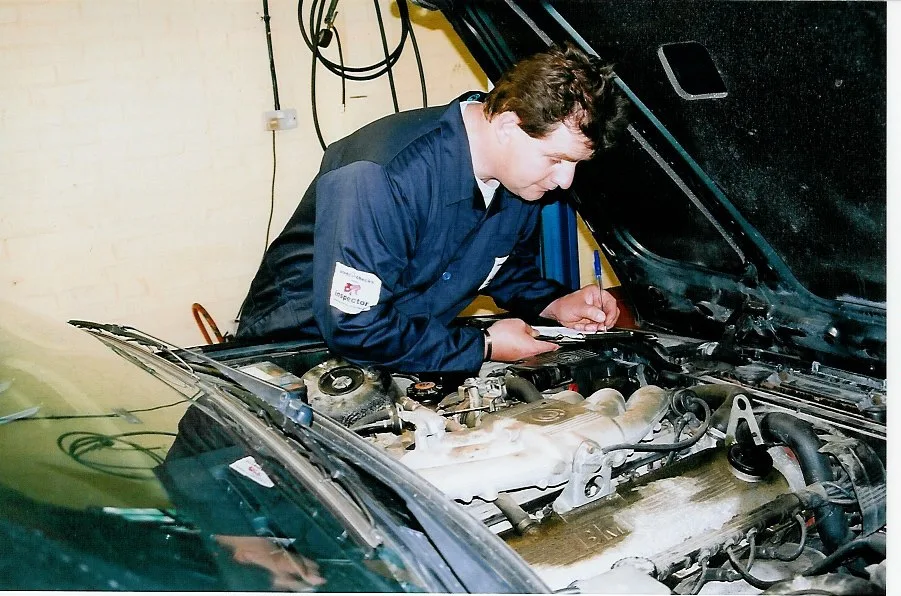
1. Inspect the engine compartment: Look for damaged wiring, chewed hoses, loose connections, or signs of animal activity.
2. Check fluid levels: Examine the engine oil and coolant according to your owner’s manual. Look for leaks beneath the vehicle.
3. Check the battery: Look for visible corrosion or damage. Slow engine cranking may indicate a weak battery.
4. Start the engine carefully: Listen for unusual knocking, grinding, or persistent rattling. Avoid revving the engine while it is cold.
Checking the battery, engine oil, and coolant before returning to regular driving is also consistent with the NHTSA’s vehicle maintenance recommendations, which emphasize inspecting fluid levels and having the battery and charging system checked when necessary.
If you notice significant fluid leaks, damaged wiring, or serious warning lights, avoid driving until the problem is checked.
Why Should You Avoid DIY Engine Repairs?
Attempting repairs without the right tools or experience can make an existing problem worse. Incorrect battery connections may damage electrical components, while using unsuitable fluids can affect engine performance.
Other risks include
· Safety hazards: Hot engine parts and electrical systems can cause injuries.
· Additional costs: Incorrect repairs may damage connected components and increase expenses.
· Warranty concerns: Unauthorized repairs or modifications may affect coverage for related damage, depending on the warranty terms.
Avoid opening electrical components or attempting complex engine repairs without proper training.
When Should You Seek Professional Assistance?
Arrange an inspection if you need Volkswagen repair in Woodinville. Watch for these warning signs:
· Persistent warning lights or unusual engine noises.
· Overheating or visible oil or coolant leaks.
· Repeated battery discharge.
· Rough idling or engine misfiring.
A technician can inspect the battery, fuel system, wiring, and engine components to determine whether the vehicle is safe to drive.
FAQs
1. Can leaving a Volkswagen parked for three weeks damage its engine?
Not usually. A well-maintained vehicle can generally sit for several weeks without engine damage, although battery discharge and other issues are possible.
2. Should I start my Volkswagen periodically if I am not driving it?
Brief idling is generally less useful than proper driving. When safe, drive long enough for the engine to reach its normal operating temperature.
3. What should I do if my Volkswagen will not start after several weeks?
Avoid repeated starting attempts. Check for visible damage or leaks and have the battery tested. Arrange a professional inspection if the cause remains unclear.