Switching From Petrol to Electric? Here's the Maintenance Reality Check
Posted by James Ruppert | Aug 26, 2026 | Articles, Car Manufacturers, Car Repairs, Electric Cars
Thinking about switching from petrol to electric and wondering whether an EV really means saying goodbye to regular servicing? Electric cars generally need less maintenance than petrol vehicles, but they still require attention to key systems and components. There is no engine oil to change or traditional exhaust system to maintain, but tires, brakes, suspension, battery health, cooling systems, and other components still need checking as the vehicle ages.
Understanding what maintenance an EV actually needs can help new owners budget realistically, protect long-term reliability, and avoid assuming that fewer moving parts means a completely maintenance-free car.
Where the “Zero Maintenance” Myth Actually Comes From
The myth isn’t baseless, which is part of why it spreads so easily. Electric vehicles genuinely eliminate a long list of jobs that used to be routine on a petrol car: no oil changes, no spark plugs, no timing belts, no exhaust system to worry about. That’s a real, substantial reduction in the running costs and garage visits most drivers were used to.
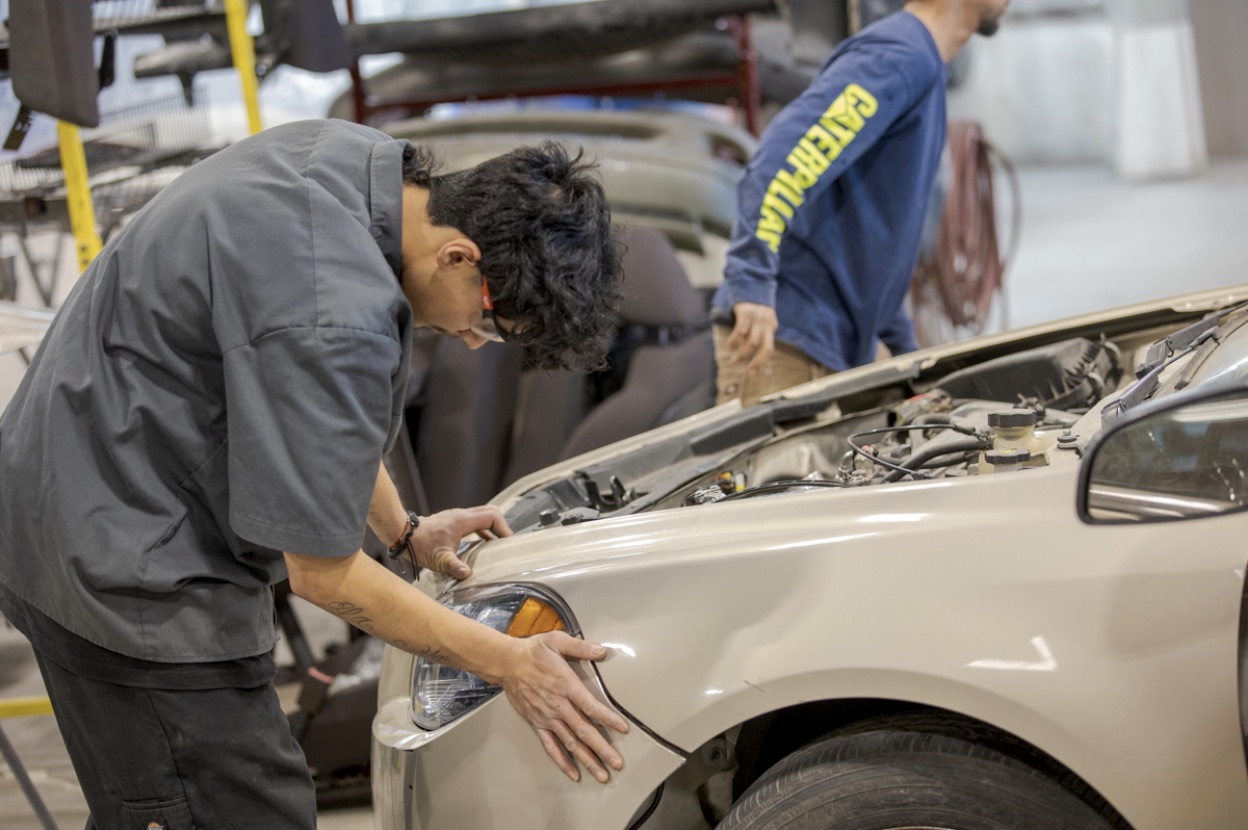
But an EV is still a mechanical object with moving parts, wear items, and complex systems that need periodic attention. Tires, brakes, suspension components, cabin filters, thermal management systems, and the battery itself all experience wear over time, just not in the ways a petrol driver instinctively expects. Skipping routine checks on an EV doesn’t just risk a musty cabin filter or a squeaky suspension bush; it can genuinely shorten the life of the most expensive component in the car.
The Big One: Battery Health Isn’t Automatic
The battery pack is the most expensive component in an EV, and its long-term condition depends heavily on charging and maintenance habits:
- Avoid constant 100% charging: Keeping the battery at very high charge levels for extended periods can contribute to faster degradation. For everyday driving, follow the charging range recommended by your manufacturer.
- Use rapid charging sensibly: DC fast charging is useful for longer trips, but frequent reliance on it can generate more heat than slower overnight charging.
- Watch temperature effects: Cold UK mornings can temporarily reduce range and slow charging, while high temperatures can place additional thermal demands on the battery.
- Check battery health periodically: Diagnostic checks can identify issues with cell balance, charging performance, and overall battery capacity before they develop into larger problems.
- Follow proper maintenance guidance: A practical resource covering essential maintenance for EV owners can help drivers understand which battery-related checks deserve attention. For drivers getting used to EV ownership, Garttmeyer Automotive provides practical guidance on the maintenance checks and battery-related considerations that are easy to overlook.
Tires Wear Faster Than You’d Think
This one genuinely surprises a lot of new EV owners. Electric cars tend to be noticeably heavier than their petrol equivalents because of the battery pack, and they deliver instant torque from a standstill, both of which put extra stress on tires compared to what most drivers are used to. Skip regular rotations, alignment checks, and pressure monitoring, and you can find yourself replacing a set of tires considerably sooner than expected, which quietly erodes a lot of the running-cost savings people assume come automatically with going electric.
This is really the middle of the practical maintenance conversation that petrol-to-electric switchers tend to underestimate the most, since it’s the one area where the “EV needs less looking after” instinct actively works against you if you’re not paying attention.
Brakes: Genuinely Less Work, But Not Zero
Here’s a piece of good news that’s actually true rather than oversold. Regenerative braking, where the motor helps slow the car and recaptures energy in the process, means brake pads on most EVs last considerably longer than on a petrol car, since friction braking is doing less of the work overall.
The catch is that pads used less frequently can develop rust or light corrosion in damp conditions, something UK weather is not exactly short of, so periodic inspection still matters even if the pads themselves aren’t wearing down the way you’d expect.
Cooling Systems and Software: The Bits Petrol Drivers Never Had to Think About
Most EVs use a liquid cooling system to keep the battery pack within its ideal temperature range, and that system needs coolant checks and periodic servicing much like a traditional engine cooling system, just serving an entirely different purpose. A neglected cooling system can quietly accelerate battery degradation, particularly in cars that see a lot of fast charging or hot weather.
Software is the other genuinely new consideration. A huge share of an EV’s real-world performance, from charging efficiency to safety features, is governed by firmware that manufacturers update regularly. Staying current on these updates is now part of responsible EV ownership in a way that simply didn’t exist for petrol cars.
How Big Is This Shift, Really?
It’s worth stepping back and looking at just how many drivers are navigating this exact learning curve right now. According to the Society of Motor Manufacturers and Traders, the UK registered its two millionth battery electric car in April 2026, with BEV registrations up 59.1% year-on-year that month alone and electrified vehicles accounting for more than half of all new car registrations.
That’s an enormous, rapidly growing pool of drivers all discovering the same reality at roughly the same time: EV ownership genuinely is simpler, but it’s not maintenance-free, and the gap between those two ideas catches a lot of first-time switchers off guard.
Conclusion
Switching from petrol to electric really is a genuine reduction in maintenance hassle, and none of what’s covered here is meant to talk anyone out of making that move. But “less maintenance” and “no maintenance” are two very different promises, and the owners who get the most out of their EV, in terms of both reliability and long-term running costs, tend to be the ones who understood that distinction from day one rather than discovering it the expensive way.
Go in with realistic expectations about battery care, tires, and the handful of EV-specific checks that matter, and the switch delivers exactly what it promises: a genuinely lower-maintenance car, not a maintenance-free one.