How Kansas Weather Can Affect Mustang Mach-E Battery Performance
Posted by James Ruppert | Oct 27, 2026 | 4 x 4, Ford, Mach E, Mustang, Electric Cars
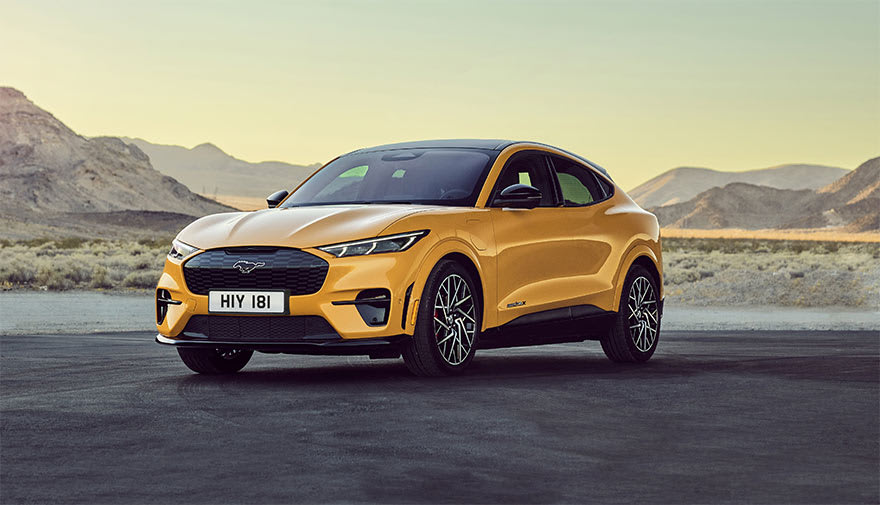
Electric vehicles offer a convenient way to travel, but their performance can change with the weather. For drivers in Kansas, seasonal temperature swings, summer heat, winter cold, strong winds, and sudden storms can all influence how efficiently an electric vehicle uses its battery. The Ford Mustang Mach-E combines electric performance with everyday practicality, making it an option for commuting, family travel, and longer road trips. However, understanding how weather affects battery range and charging can help owners plan journeys more confidently. If you are exploring a Mustang Mach-E in Kansas City, learning about local weather conditions and battery management can help you make an informed decision. With a few practical habits, drivers can improve efficiency and get more consistent performance throughout the year.
How Cold Kansas Winters Affect Battery Range
Cold weather is one of the most noticeable factors affecting electric vehicle performance. During Kansas winters, temperatures can fall below freezing, making it harder for the Mustang Mach-E’s battery to deliver energy as efficiently as it does in milder conditions.
Lithium-ion batteries rely on chemical reactions that become less efficient at low temperatures. The vehicle’s battery management system helps maintain suitable operating conditions, but warming the battery and cabin requires energy. As a result, drivers may notice fewer available miles on a full charge during cold spells.
Short trips can make the effect more noticeable because the vehicle may spend a significant portion of the journey heating the cabin and managing battery temperature. Repeated cold starts can also increase energy consumption.
This temporary reduction in range does not automatically indicate battery damage. Performance generally improves when temperatures become more favorable, although the amount of range available depends on driving habits, battery configuration, road conditions, and other factors.
Summer Heat and Battery Efficiency
Kansas summers can bring high temperatures that affect electric vehicle operation in a different way. Extreme heat can increase the energy required to cool the cabin and manage battery temperature.
When a Mustang Mach-E sits in direct sunlight, the interior can become hot before a journey begins. The climate control system then uses battery energy to bring the cabin to a comfortable temperature.
The vehicle also manages battery temperature to help protect its performance and long-term health. Depending on conditions, this thermal management may require additional energy.
Heat does not necessarily cause a dramatic loss of range on every trip, but repeated exposure to extreme temperatures can affect battery aging over time. Parking in a shaded area or garage when possible can reduce exposure to direct sunlight.
During hot weather, drivers should also monitor charging conditions and follow the vehicle manufacturer’s recommendations. Avoid assuming that every reduction in displayed range means the battery has permanently lost capacity; temperature and climate-control use can affect the estimate.
Strong Winds and Storms Can Increase Energy Use
Kansas weather is not just about temperature. Strong winds, thunderstorms, heavy rain, and winter storms can also influence electric vehicle efficiency.
Headwinds increase aerodynamic resistance, forcing the vehicle to use more energy to maintain speed. Crosswinds can also require additional attention from the driver, while high speeds generally increase energy consumption.
Heavy rain can create additional rolling resistance as tires move through water. Snow and slush may increase resistance further, while snow-covered roads can make driving less predictable.
These conditions can reduce the distance a Mustang Mach-E travels on a given amount of energy. The effect depends on wind direction, speed, road surface, precipitation, and driving style.
When severe weather is forecast, allow extra range for your journey. Check road conditions before leaving, drive at a safe speed, and identify charging options along longer routes. Safety should always take priority over attempts to maximize efficiency.
How Cabin Heating and Air Conditioning Affect Range
The climate control system can have a significant effect on electric vehicle energy use. Unlike a conventional vehicle that can draw on engine waste heat, an electric vehicle must use electrical energy to heat the cabin.
During cold Kansas mornings, setting the heater to a high temperature and using the defroster can consume additional battery energy. Summer air conditioning also requires power, particularly when the vehicle starts with a very hot interior.
Drivers can reduce this demand by preconditioning the cabin before departure while the vehicle is connected to a charger. This allows the vehicle to use electricity from the charging source for much of the initial heating or cooling instead of relying entirely on the battery.
When temperatures are low, heated seats and a heated steering wheel, if equipped, may provide personal comfort with less energy than heating the entire cabin to a high temperature.
Choose a comfortable climate setting rather than repeatedly switching between extreme temperatures. Keep windows closed at highway speeds to reduce aerodynamic drag and avoid unnecessary energy use.
Preconditioning Helps Prepare the Battery
Preconditioning allows the Mustang Mach-E to prepare its cabin and, where supported by the vehicle’s systems, battery temperature before driving. This can be particularly useful during Kansas winters.
When the vehicle is plugged in, scheduled departure settings or compatible app controls can help prepare it before you leave. Using energy from the charging source reduces the amount needed from the battery at the start of the trip.
Preconditioning can improve comfort, help the battery operate under more suitable conditions, and support better driving range in cold weather. It may also help prepare the battery for charging, depending on the vehicle’s equipment and settings.
For the best results, learn how departure schedules and charging settings work for your specific model year. Features can differ between versions, so consult the owner’s manual for accurate instructions.
If you precondition while the vehicle is unplugged, some of the required energy will come from the battery itself. Whenever practical, connecting the vehicle to a suitable charger before scheduled departure can make this process more efficient.
Charging Strategies for Changing Seasons
Charging habits can help make seasonal driving more convenient. In winter, charging at home before departure gives you more flexibility when cold temperatures reduce range.
If your vehicle remains parked outdoors in very cold weather, following Ford’s guidance about keeping it plugged in can help the battery management system maintain suitable conditions. A garage or covered parking space can also moderate temperature exposure.
Cold weather may slow DC fast charging because the battery needs to reach an appropriate temperature before accepting energy at a higher rate. Allow additional time for charging during particularly cold periods.
For everyday use, follow the charging limits recommended for your model and battery configuration. Many owners can use a lower daily charge target and charge higher when needed for a longer trip. The appropriate settings depend on your travel requirements and Ford’s guidance for the specific vehicle.
Before taking a long journey across Kansas, check the route, charging locations, weather forecast, and expected energy use. Leaving a reasonable reserve is especially helpful when temperatures, wind, or road conditions may change.
Driving Habits That Improve Efficiency
Weather is only one part of the range equation. Driving style can make a meaningful difference in how efficiently the Mustang Mach-E uses energy.
Accelerate smoothly, maintain a steady speed when conditions permit, and avoid unnecessary rapid acceleration. High highway speeds generally consume more energy because aerodynamic resistance increases as speed rises.
Check tire pressure regularly, especially when temperatures change. Cold weather can reduce tire pressure, and underinflated tires can increase rolling resistance while affecting handling and safety. Use the pressure listed on the vehicle’s tire information label.
Remove heavy snow from the vehicle before driving, including from the roof, hood, windows, and lights. Snow adds weight and can affect visibility or interfere with driver-assistance sensors.
Use the vehicle’s energy information and trip estimates to understand how your driving habits affect consumption. Over time, these readings can help you plan more realistic charging stops for different seasons.
Conclusion
Kansas weather can affect Mustang Mach-E battery performance through temperature changes, cabin heating and cooling, wind, precipitation, and road conditions. Cold weather commonly reduces available range and can slow charging, while summer heat may increase cooling demand and place additional importance on battery temperature management. Preconditioning while plugged in, maintaining proper tire pressure, using climate controls thoughtfully, and planning charging stops can help drivers manage these seasonal changes. Although range may fluctuate throughout the year, understanding the reasons behind those changes makes electric vehicle ownership easier to manage. By preparing for local weather and following the manufacturer’s recommendations, Mustang Mach-E drivers can enjoy more predictable journeys across Kansas in every season.