Michelin Cross Climate 2 Spring & Summer Update by Kiran Parmar
Posted by James Ruppert | Oct 2, 2025 | Articles, Michelin Tyres, Tyres, Winter Motoring
It is officially Autumn now in the United Kingdom and it is that time of year most of us dread; cold, rain, windy miserable British weather is fast approaching, and with the clocks going back soon, long dark nights ahead says Kiran Parmar.
However, now is a good time to reflect upon the spectacular spring and summer we had bestowed upon us in the British Isles. Yes, summer 2025 has officially been confirmed as the hottest on record for the UK, surpassing the previous record set in 2018. The Met Office recorded a mean temperature of 16.10°C for the summer months of June, July, and August, which is significantly above the long-term average. I am sure you all remember what felt like endless hot, humid nights when we were all struggling to get to sleep and wishing we had air conditioning build into our homes!
The Michelin CrossClimate 2 tyre, as the name suggests, is designed to be a driver’s best friend is all climates and all driving conditions, whether there is frost and ice on the ground in January or a scorching hot 1st July, when 35.8°C was recorded in Faversham, Kent. This temperature occurred during a widespread and long-lasting heatwave, with four separate heatwave events documented across the summer.
Despite being certified for winter driving, complete with the ‘3 peak snowflake’ certification, the compound on the CrossClimate 2 has been designed for all year-round use.
In a series of European tests involving premium all season tyres, the CrossClimate 2 finished in number one position for braking on dry roads and braking on wet roads (worn tyres at legal thread depth), number one position for braking on snow (from the first kilometre to the last – new and worn). In the same tests, it also won number one position for traction on snow (from the first kilometre to the last – new and worn), and finally winning second position for braking on wet roads (new tyres).
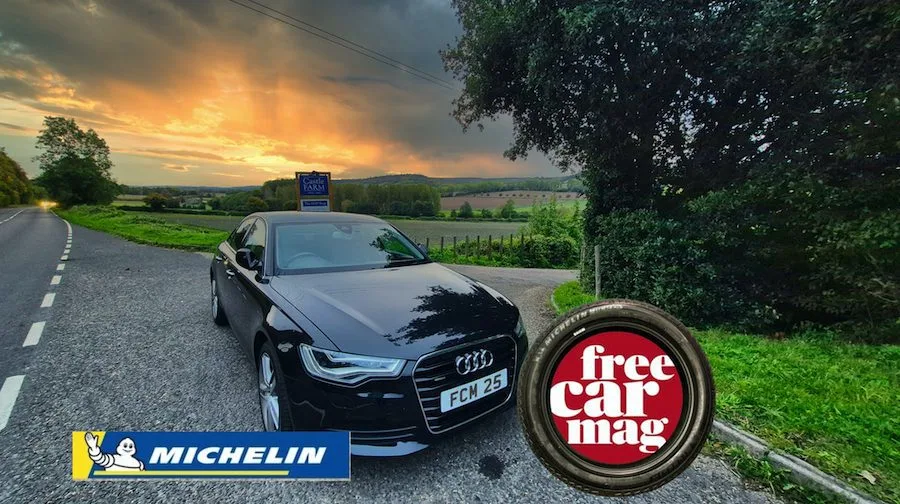
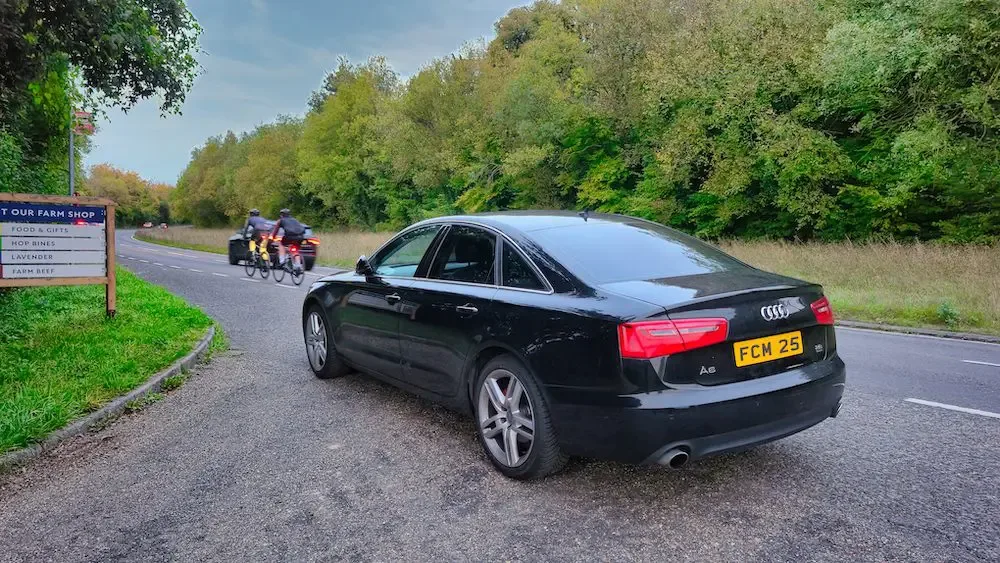
After over 2,000 miles covered in the Audi A6 2.8 quattro during the spring and summer of 2025, the CrossClimate 2 tyres haven’t skipped a beat. Even in hot, humid and dry conditions, the grip offered by this all-season tyre is unbelievable. Plant your right foot on the accelerator pedal from standstill to get away from the lights and you won’t even hear the tyres squeal, let alone any wheel spin, just pure grip to rocket you forwards.
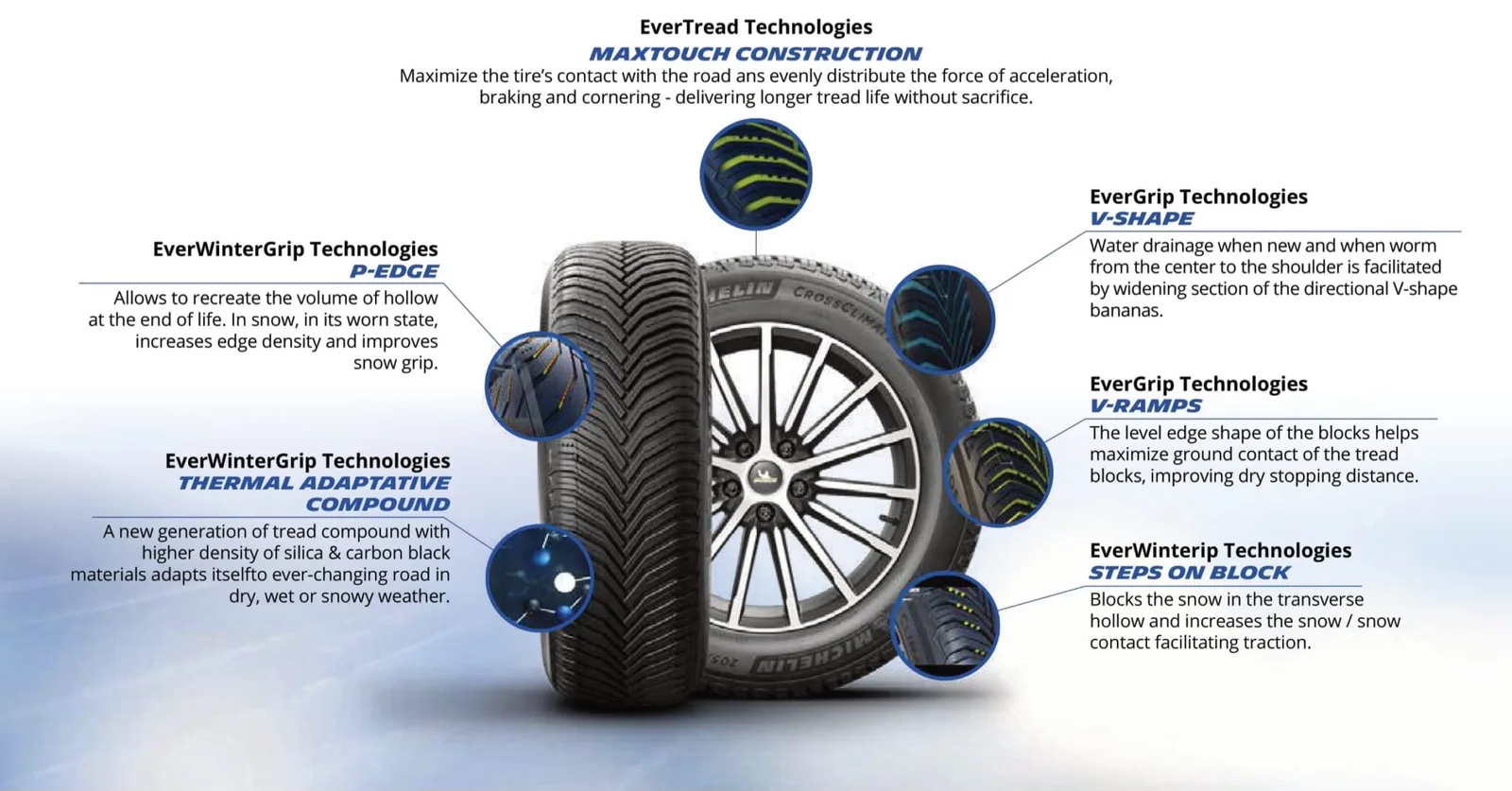
The CrossClimate 2 compound hugs the road as you take corners, even at higher velocities where speed limits allow. When you have to throw the anchors out, the tyres feel controlled and inspire confidence, bringing the Audi to a comfortable stop without the ABS having to kick in. Thanks to Michelin’s ‘EverGrip’ technology, the bevelled tread block edges optimise the tyres contact patch for more efficient braking on dry roads.
Michelins ‘EverTread’ technology contributors to the tyres longevity by optimising the form of its contact patch to achieve a more effective distribution of forces subjected when accelerating, braking and cornering.
We also fitted a set of the CrossClimate 2 tyres to a rear-wheel drive 2006 BMW 325i Coupe to ensure a fair test. With previous brands of summer tyres fitted (Continental Sport Contact and Bridgestone Potenza) the ride on this car always felt a little too harsh, unsettled and firm, however with the CrossClimate 2 tyres fitted the ride has been transformed to a far more comfortable cruiser without sacrificing dynamic cornering or driver enjoyment. Our Free Car Mag associate who regularly drives the BMW stated, ‘These are the best tyres I have ever used in any of my cars I have owned; the wheel spin is significantly reduced in the wet, and the overall grip, cornering stability and comfort is brilliant. It was a joy to run these tyres over the spring and summer.’
Being a powerful rear wheel drive car, the BMW has now become a dependable all year-round vehicle thanks to the CrossClimate 2 rubber should snow or ice come our way.
If we get any snow during the winter of 2025-2026, we will be sure to bring you a snow handling report.
You can read our Autumn review here, our Winter report here, and our introductory article here.