Is Your Car Trying to Tell You Something? Here Are 5 Sounds and What They Mean
Posted by James Ruppert | Nov 14, 2025 | Articles, Bangernomics, Car Care, Car Parts, Car Repairs, Used Cars
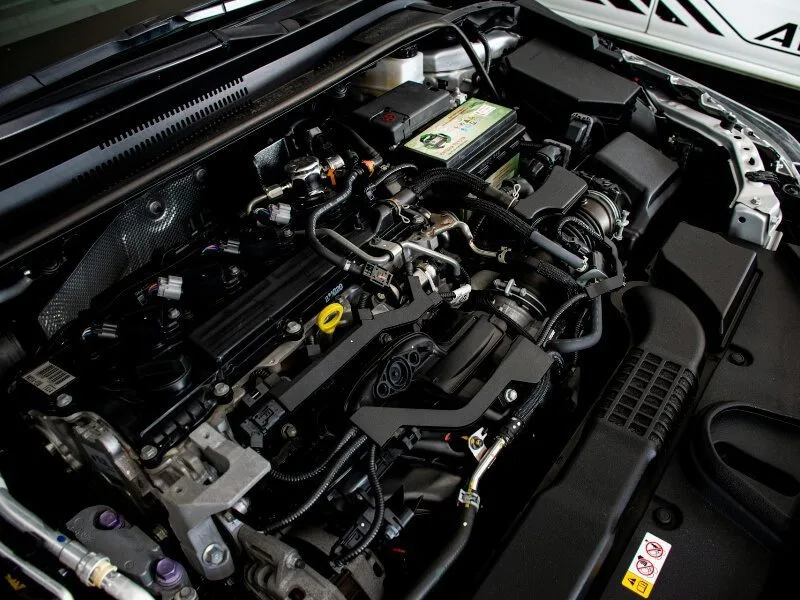
Cars often indicate problems through sounds, much like a person might cough or sneeze when they’re sick. A strange noise might be a sign that there’s something wrong with a crucial component.
If left unaddressed, the issue can lead to an expensive repair bill and even put you at risk on the road. Listen to your vehicle’s warning signs and take it to a mechanic for diagnosis if you hear any of these unusual sounds.
1. Rhythmic Clicking or Ticking From the Engine Bay
A light, rhythmic “tick-tick-tick” noise coming from the top of the engine may be a sign of low engine oil. The valvetrain components, such as the lifters and rockers, may not be receiving enough of the fluid to stay lubricated. The metal-on-metal contact creates a clicking sound that may increase or decrease with the engine’s RPM.
A quick fix for this problem is to check the engine oil level and top it up if it’s low. If the noise persists or is accompanied by other alarming engine noises, such as sputtering, a more serious issue may be present. A trip to an auto repair shop will help you identify the culprit.
2. Squealing or Screeching When Braking
If your car makes unusual sounds every time you brake, its brake pads might be worn out. The sharp, high-pitched noise may be intermittent at first, before becoming more constant as the issue remains unresolved. Certain operating conditions and external factors, including temperature and terrain, can accelerate the material deterioration.
The brake pad creates friction against the brake disc to slow down and stop the vehicle. It features a small metal tab that alerts drivers when the pad has become dangerously thin, producing a squealing noise upon contact with the metal brake rotor. Worn brake pads increase the risk of accidents due to the longer stopping distance and reduced reliability. Schedule a brake inspection if you hear any warning signs.
3. A Metallic Grinding or Growling Noise
If you hear a metallic grinding sound whenever you brake, the brake pad material may be completely worn out. The sound is often harsher and lower-pitched than squealing — it may feel like it’s vibrating through the brake pedal or your car’s floor. The sound is caused by the metal brake pad scraping against the metal brake rotor, which severely compromises braking ability.
If you hear it when turning or driving, a worn-out wheel bearing might be the culprit. The bearing is a set of steel balls that allows the wheel to spin with minimal friction. When it’s worn out, grinding replaces the smooth rolling, creating a hum, roar or growl that gets louder when steering. Visit a mechanic to get an accurate diagnosis.
4. A Loud Roaring or Rumbling Under the Car
A deep, loud roar during acceleration may be a sign of an exhaust system leak. The culprit can be anything from a rusted muffler to a cracked exhaust pipe or a faulty gasket between components. While the system is designed to muffle sound, some may escape due to a leak.
The exhaust system directs dangerous gases away from the cabin. If it has a leak, carbon monoxide and other harmful emissions may seep into the interior and cause severe health problems for passengers. Note that other car problems may also create a rumbling noise under the car. Have your vehicle inspected to pinpoint the cause and resolve the issue.
5. A Hissing Sound from Under the Hood
A steady, hissing noise from under the hood that intensifies when the engine is shut down may be a sign of a fluid leak. There may be a small hole or crack in the radiator hose, causing pressurized coolant to spray out with a hissing sound.
A vacuum leak can also make a similar noise. The engine uses vacuum pressure to operate various systems, and a crack or disconnect in the rubber vacuum line will suck in air, creating a hissing sound. This issue may cause poor engine performance and rough idling. It can also illuminate the check engine light. Use a scan tool to retrieve the trouble code and determine what triggered the warning light.
Your Car Is Talking — Are You Listening?
Pay attention to how your car sounds whenever you start, drive and shut it down to ensure nothing abnormal. Once you’ve heard something strange, take note of what kind of noise it is, where it’s coming from and when it happened.
Then, take your vehicle to a mechanic for a professional diagnosis. Remember, a quiet and smooth-running car is a safer and more reliable one.

Author Bio: Oscar Collins is the editor-in-chief of Modded. He has over five years of experience writing in the auto space, having published with Automotive News, Carwash and InAutomotive. Follow him on X @TModded for frequent updates on his work.