Drivers Are Making Bird Dropping Damage Worse
Posted by James Ruppert | Apr 9, 2026 | Articles, Car Care, Car Cleaning
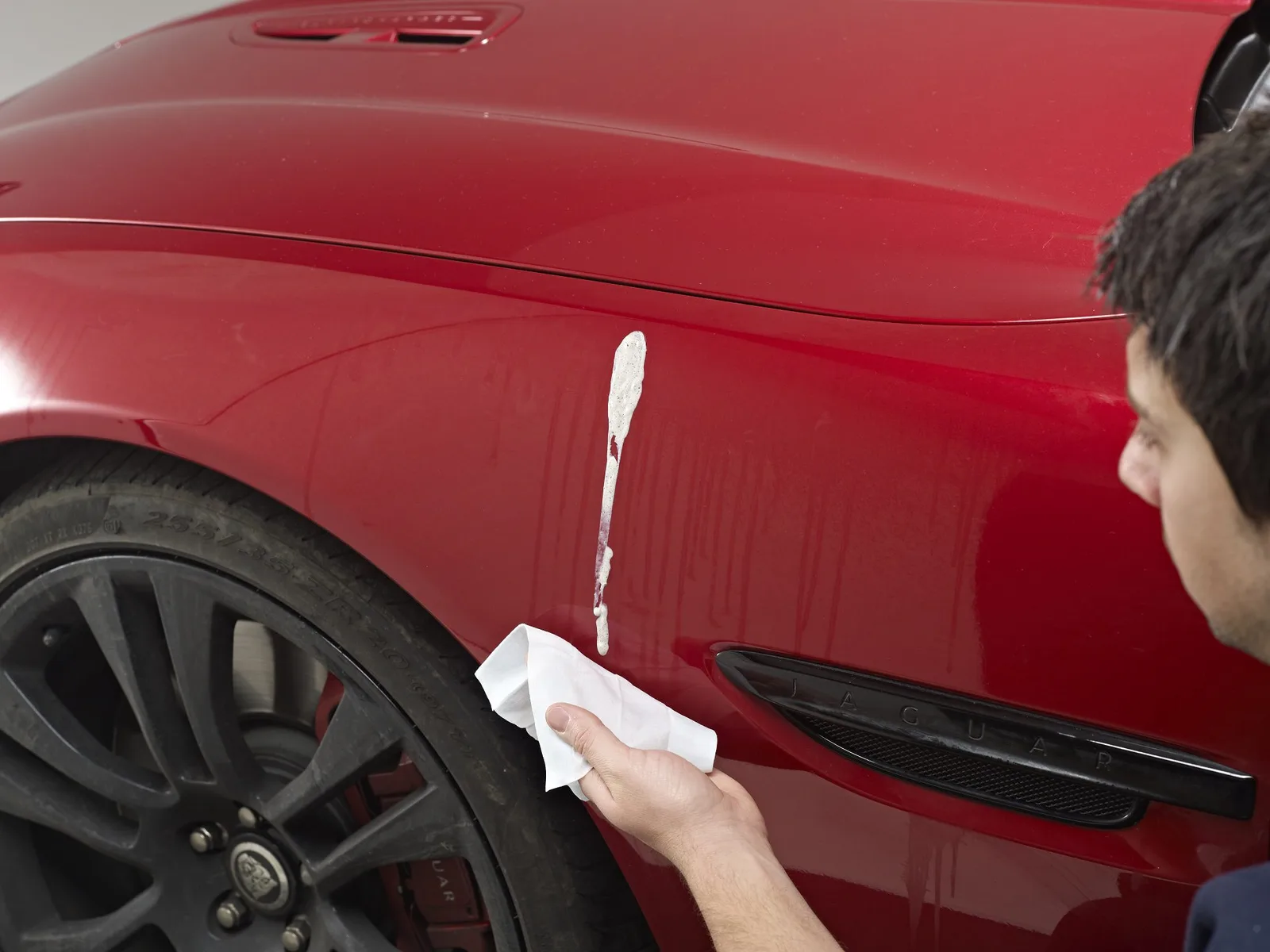
British drivers could be facing repair bills of up to £500 per panel simply by leaving bird droppings on their car too long, yet the vast majority are waiting until their next routine car wash before bothering to clean them off.
With more than 34 million cars on UK roads, almost every driver will find bird droppings on their car at some point during the year. What most do not realise is that those streaks of white are not just unsightly. They are actively destroying their paintwork, and the clock starts ticking the moment the dropping lands.
For drivers who ignore the problem entirely, the costs can escalate quickly. A minor smart repair for surface etching starts at around £60, but where the lacquer has been more deeply compromised, panel respray costs can reach £500 or more. On higher-value vehicles, the bill can run into the thousands, and that is before any impact on resale value is factored in.
Why Bird Droppings Are So Destructive
Bird droppings are highly acidic, with a pH level as low as 3.5, making them one of the most corrosive everyday substances that can land on a car’s surface. They begin breaking down the protective clear coat almost immediately on contact. On a warm day, the dropping hardens rapidly on the surface. As temperatures fall, the paint lacquer contracts and moulds itself around the dried deposit, etching a permanent impression into the finish.
On a sunny afternoon, visible paint damage can begin in as little as three to five hours. Left any longer, the damage moves beyond surface etching and into the lacquer itself, at which point a quick wash will not fix it.
Yet for many drivers, a bird dropping rarely triggers an urgent response. Most treat it as something to deal with at the next car wash, unaware that on a warm day, the damage may already be done by then.
Filipa Silva, cleaning expert at Nilfisk, warns that the window to act is shorter than most drivers realise:
“Most people treat bird droppings as a cosmetic nuisance, but the reality is they are one of the most damaging things that can land on your car. The acid gets to work almost immediately, and once the lacquer has etched it is not something you can simply wash away.
“The good news is that prevention is straightforward. Acting quickly and using the right equipment, such as a pressure washer means you can remove droppings safely in minutes without touching the paintwork at all. It is a small habit that can save drivers a significant amount of money.”
With that in mind, here is what every driver should do the moment they spot a dropping on their car according to the experts:
1. Act within hours, not days
On a warm or sunny day, bird droppings can begin etching into your car’s paintwork in as little as three to five hours. The longer they are left, the deeper and more costly the damage.
2. Never wipe a dry dropping
Dragging a dry cloth across a hardened deposit pulls grit, seeds and debris across your paintwork, causing scratches on top of the acid damage. Always soften the dropping first before attempting to clean it.
3. Use a pressure washer for safe removal
A pressure washer lifts hardened deposits cleanly without any surface contact, making it a much safer option than wiping.
Using a model with adjustable pressure allows you to lower the intensity for delicate surfaces while still removing residue effectively. In many cases, rinsing alone is sufficient, but if needed, you can add a suitable cleaner to help loosen the dirt before a final rinse.
4. Be extra careful in direct sunlight
Heat accelerates the damage process significantly. If your car is parked in full sun, prioritise removing droppings as a matter of urgency and try to clean in the shade where possible.
5. Inspect the paintwork afterwards
Once the dropping has been removed, check the area for dull or frosted patches. These are signs of etching. Caught early, light etching can often be addressed with a polish. Left untreated, it will require professional repair.