Suncent is a trusted supplier of high-quality aftermarket diesel performance parts and all-in-one solutions for off-road, racing, and agricultural applications. With a focus on durability, precise fitment, and vehicle-specific compatibility, Suncent helps diesel enthusiasts and professionals find reliable components that support their performance and maintenance goals while encouraging responsible, legally compliant use.
Diesel engines have earned a reputation for raw power, impressive torque, and remarkable longevity. Walk through any truck stop, farm, or off-road trail, and you’ll see diesel-powered machines doing the heavy lifting that keeps industries moving. But behind that power sits a complex web of modern emission control systems — systems that, while environmentally significant, often become a source of frustration for diesel vehicle owners over time.
If you’ve spent any amount of time in diesel communities online or at the shop, you’ve probably heard the term diesel delete kit thrown around. It’s a topic that generates plenty of discussion, debate, and curiosity. This article digs into what diesel emission systems actually do, what a diesel delete kit involves, and why diesel owners in certain applications choose to explore this route.

The Modern Diesel Engine and Its Emission Controls
Today’s diesel engines are engineering marvels — but they’re also wrapped in layers of emissions technology that simply didn’t exist twenty years ago. Regulatory standards pushed automakers and manufacturers to integrate increasingly sophisticated systems designed to reduce the environmental impact of diesel combustion.
Three of the most common systems found on modern diesel vehicles include:
Diesel Particulate Filter (DPF): This filter captures soot and particulate matter before it exits the exhaust. Over time, it requires periodic cleaning through a process called regeneration. When it fails or clogs prematurely, it creates significant performance issues.
Exhaust Gas Recirculation (EGR): The EGR system recirculates a portion of exhaust gases back into the engine’s intake manifold to reduce nitrogen oxide emissions. While effective for emissions reduction, it can contribute to carbon buildup inside the engine over time.
Selective Catalytic Reduction (SCR) / DEF System: This system uses Diesel Exhaust Fluid (DEF) — also known as AdBlue — to chemically convert nitrogen oxides into harmless nitrogen and water. While functional, the system adds another layer of components that require maintenance and can malfunction.
Each of these systems has a purpose. But together, they create a complicated ecosystem of sensors, pipes, valves, and fluids that can go wrong — and when they do, repairs can be enormously expensive.
What Exactly Is a Diesel Delete Kit?
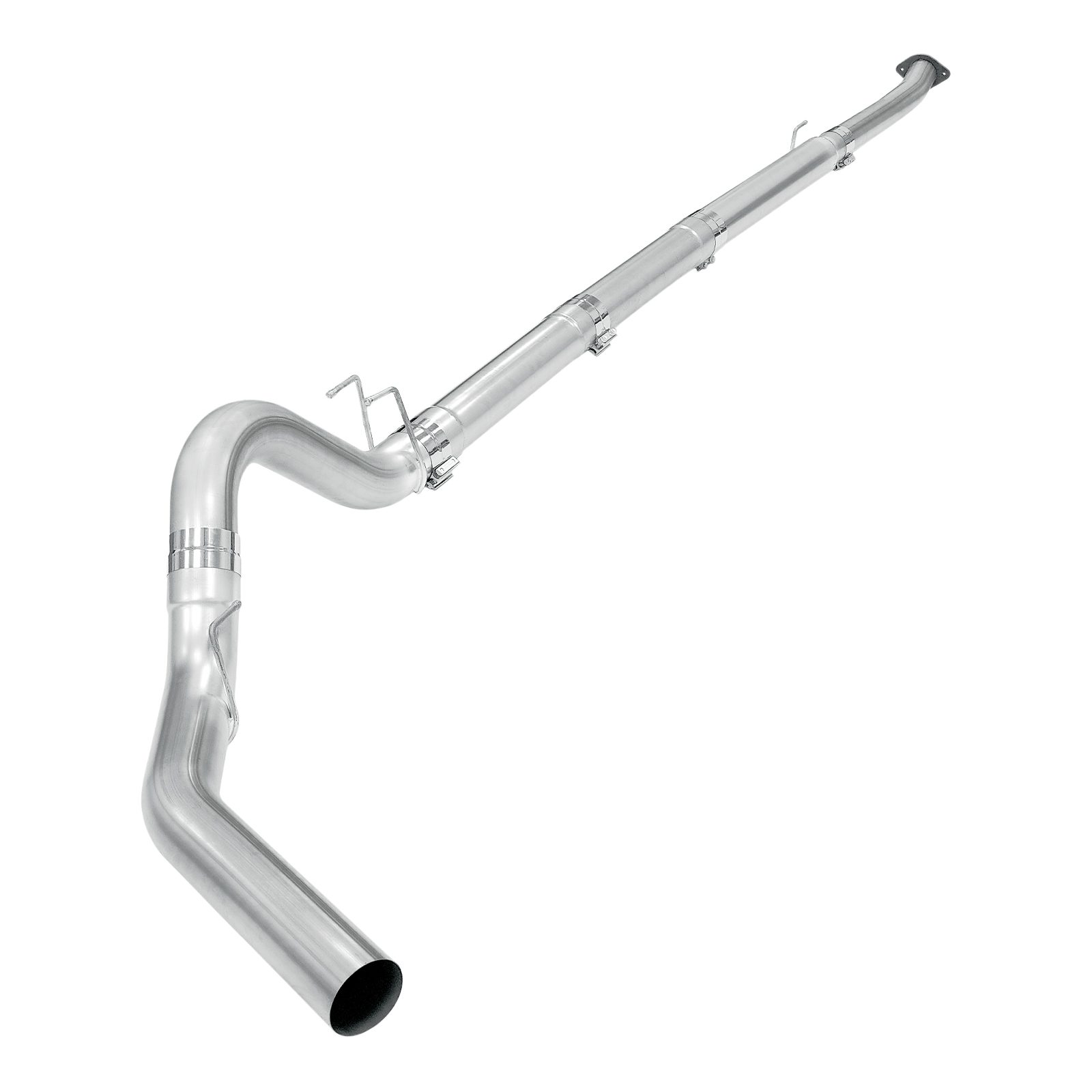
A diesel delete kit is an aftermarket solution designed to remove or bypass one or more of these emission control systems from a diesel vehicle’s engine and exhaust configuration. These kits typically include replacement pipes, tuning software or hardware interfaces, and the necessary components to maintain proper exhaust flow and engine function without the stock emissions equipment in place.
It’s worth noting upfront and clearly: diesel delete kits are intended for off-road, racing, agricultural, or non-emissions-regulated applications. Using them on public road vehicles is heavily restricted or outright illegal in many countries and regions. This is not a gray area in most jurisdictions — it’s something any owner must research thoroughly before considering.
For legitimate off-road and track applications, however, the diesel delete kit has become a popular tool for restoring and enhancing vehicle performance.
Why Some Diesel Owners in Off-Road and Racing Contexts Explore Delete Kits
The reasons diesel enthusiasts in appropriate legal contexts pursue delete solutions usually come down to a few consistent themes:
1. Reliability and Longevity Concerns
Modern emission systems are not indestructible. EGR valves carbon up. DPFs crack or fail to regenerate properly. DEF systems throw error codes at the worst possible times. For a farmer who needs their equipment running during harvest season or a competitive off-road racer who can’t afford downtime, these failure points are serious concerns.
By removing these components in regulated, permitted environments, owners can simplify the engine’s operating ecosystem and reduce the number of potential failure points.
2. Performance Restoration
One of the most common reasons diesel owners cite for exploring a diesel delete kit is the noticeable drop in performance that comes with aging or compromised emissions systems.
A clogged DPF creates backpressure. An EGR system pumping exhaust gases back into the intake introduces contaminants that reduce combustion efficiency. Over time, the combined effect of these systems on a high-mileage diesel can manifest as sluggish throttle response, reduced power output, and higher fuel consumption.
Removing these restrictions in an off-road or track context can restore the engine’s original power characteristics and in some cases improve upon them.
3. Reduced Long-Term Costs
Replacing a failed DPF on a modern diesel truck can cost thousands of dollars. DEF system repairs and sensor replacements add up quickly. For owners of work vehicles that accumulate high mileage in off-road or industrial settings, the maintenance bill associated with emission systems can become significant over time.
A properly installed diesel delete kit, in the right legal context, can eliminate these recurring costs and simplify long-term vehicle ownership.
The Importance of Quality Components and Professional Installation
Not all diesel delete kits are built equal. The quality of materials, the precision of fitment, and the reliability of any accompanying tuning solutions all matter enormously. Poorly made components can lead to exhaust leaks, engine stress, and other mechanical complications that do more harm than good.
Platforms like Suncent offer a range of diesel all-in-one kits designed with compatibility and durability in mind, catering to enthusiasts who need reliable components for their specific applications. When researching options, always verify that components are compatible with your specific engine model and displacement.
Professional installation is equally important. Even the most well-engineered kit won’t perform correctly if it’s installed improperly. Working with a qualified diesel mechanic who understands both the hardware and any associated tuning requirements is strongly advised.
Responsible Ownership and Legal Awareness
It cannot be stressed enough: legal compliance is non-negotiable. Before exploring any diesel delete kit solution, diesel owners must understand the laws that govern vehicle emissions modifications in their state, province, or country. This includes understanding where and how the modified vehicle will be used, whether it will ever be registered or inspected, and what penalties may apply for non-compliance.
For track-only builds, dedicated agricultural equipment, and purpose-built off-road vehicles, the conversation is different than for daily drivers. Knowing where your vehicle falls within those categories is step one.
Final Thoughts
Diesel engines are built to endure. They’re workhorses by nature, and the people who rely on them take their performance seriously. Modern emission systems represent a meaningful environmental effort, but they also introduce complexity and potential failure points that affect real-world diesel owners every day.
Understanding what a diesel delete kit is, what it does, and when it’s appropriate to consider gives diesel enthusiasts the knowledge they need to make informed decisions — whether that means maintaining and caring for their existing emission systems or pursuing performance solutions in legally appropriate contexts.
As always, education, quality components, and professional guidance are the foundation of any successful diesel modification.