This is the sort of story that we like to read and trust you do too, it’s important when it cones to buying your next new car.
-
New research reveals which car brands are most and least prone to technology-related MOT failures and recalls.
-
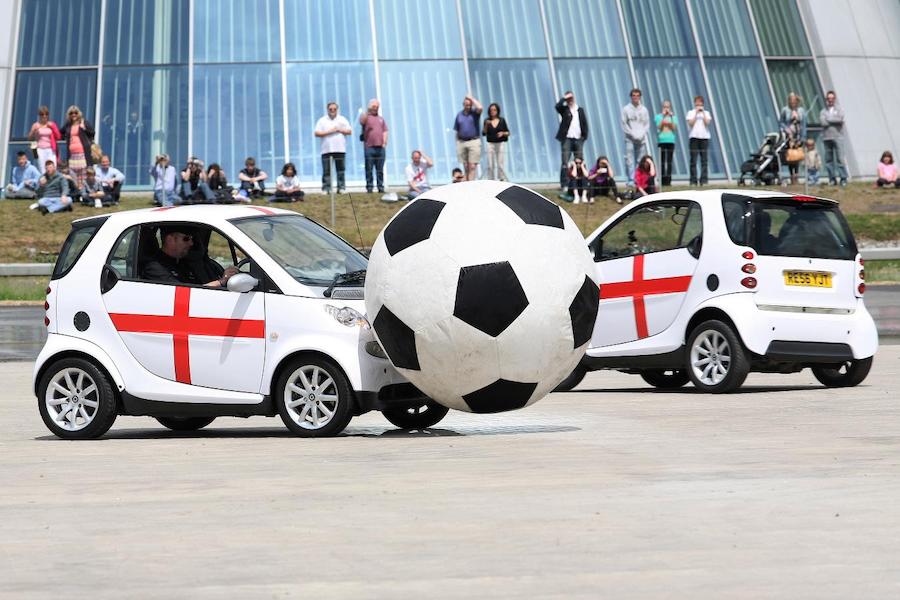
Smart, Dacia and Suzuki rank as the most reliable brands for avoiding tech-related issues.
-
Jeep ranks as the manufacturer most likely to report high-tech faults, highlighting the challenges that can come with increasingly complex vehicle technology.
As modern-day car manufacturers focus on enhancing the driving experience through new technologies such as advanced driver assistance systems (ADAS) and fully connected infotainment, new research suggests this evolution may be introducing a new kind of reliability challenge for motorists.
To uncover which manufacturers are the most technologically reliable, temporary car insurance experts Tempcover analysed MOT records and recall reports for more than 200 terms related to modern vehicle technology, including lane assist, ADAS, infotainment systems, and sensors.
The research analysed three key performance indicators: the frequency of MOT failures due to electronic issues, the proportion of failed tests attributed to tech issues, and the rate of manufacturer recalls linked to electronic systems.
Smart, Dacia And Suzuki Lead For Tech Reliability
At the top of the rankings, Smart, Dacia and Suzuki emerge as the most reliable brands when it comes to technology-related issues. All three manufacturers record relatively low levels of electronic-related MOT failures, alongside minimal recall activity linked to electronic systems.
Smart takes the top spot overall, with just 0.76% of all MOT tests resulting in failure due to electronic issues and 4.15% of failed tests attributed to electronics, while recording no technology-related recalls per 100,000 vehicles. Dacia follows closely behind, also recording zero recall activity and similarly low levels of electronic-related MOT failures.
Suzuki ranks third, standing out for having one of the lowest proportions of failed MOT tests caused by technology issues (3.64%) among all brands analysed, alongside a low recall rate of 0.50 per 100,000 vehicles.
|
Rank |
Manufacturer/Make |
% of all tests resulting in failure due to electronics |
% of failed tests resulting in failure due to electronics |
Recalls per 100k cars 2021-2025 |
|
1 |
Smart |
0.76 |
4.15 |
0.00 |
|
2 |
Dacia |
0.79 |
4.35 |
0.00 |
|
3 |
Suzuki |
0.62 |
3.64 |
0.50 |
|
4 |
Fiat |
0.67 |
3.09 |
1.29 |
|
5 |
Mazda |
0.58 |
3.04 |
1.71 |
|
6 |
Toyota |
0.65 |
4.05 |
1.35 |
|
7 |
Skoda |
0.81 |
4.96 |
0.22 |
|
8 |
Seat |
0.92 |
5.22 |
0.16 |
|
9 |
Porsche |
0.5 |
4.84 |
3.99 |
|
10 |
Ford |
0.97 |
4.81 |
0.67 |
The wider top 10 features a mix of value-focused and high-volume manufacturers, including Fiat, Mazda, Toyota and Ford. High-performance brand Porsche also features in the top 10, with relatively low levels of tech-related faults seen across a range of manufacturers.
Technology-Related Challenges For Manufacturers
At the other end of the scale, the research also highlights some of the challenges faced by manufacturers incorporating increasingly complex vehicle technologies. Jeep ranks as the manufacturer most affected by technology-related issues. This is largely driven by its rate of technology-related recalls (11.88 per 100,000 vehicles), reflecting the increasing complexity of modern vehicle systems.
Similarly, luxury and high-volume brands such as Jaguar and Volkswagen feature in the bottom ten. As these brands typically incorporate more complex electronic and driver assistance systems, they may see a higher incidence of technology-related MOT flags compared with manufacturers using less technology-intensive vehicle systems.
|
Rank |
Manufacturer/Make |
% of all tests resulting in failure due to electronics |
% of failed tests resulting in failure due to electronics |
Recalls per 100k cars 2021-2025 |
|
1 |
Jeep |
1.74 |
9.37 |
11.88 |
|
2 |
Hyundai |
1.09 |
6.19 |
1.81 |
|
3 |
MG |
1.32 |
9.43 |
0.40 |
|
4 |
Volvo |
1.03 |
5.71 |
2.27 |
|
5 |
Jaguar |
0.98 |
6.36 |
1.57 |
|
6 |
Volkswagen |
1.22 |
6.46 |
0.11 |
|
7 |
Subaru |
0.95 |
5.26 |
3.24 |
|
8 |
Nissan |
1.24 |
5.87 |
0.22 |
|
9 |
Vauxhall |
1.15 |
5.26 |
0.92 |
|
10 |
BMW |
0.97 |
6.42 |
0.66 |
Claire Wills-McKissick, temporary car insurance expert at Tempcover adds;
“It’s no longer just about mechanical wear and tear, but increasingly about software and sensor integrity. Across the industry, higher volumes of technology-related MOT flags can reflect the growing complexity of modern safety and driver assistance systems. These systems rely on highly integrated software and sensors, and in some cases even minor calibration issues can take a car off the road.
At Tempcover, we provide the flexibility for drivers to stay mobile in a second vehicle with temporary car insurance, while their primary car undergoes the specialist diagnostic work these modern systems require.”